What decentralized KYC vaults actually are
Decentralized KYC vaults represent a fundamental shift in how identity verification infrastructure operates. Instead of storing Personally Identifiable Information (PII) in centralized databases managed by exchanges or service providers, this model places control directly in the hands of the user. The result is a system where your sensitive data remains encrypted and stored in a personal vault, accessible only when you explicitly grant permission.
Traditional KYC processes require you to upload documents to a company’s server, creating a single point of failure. If that server is breached, your identity is compromised. Decentralized KYC vaults eliminate this risk by keeping the data off-platform. Verification agents or AI systems can confirm your credentials without ever seeing the raw data, ensuring that your privacy is preserved while still meeting regulatory requirements.
This architecture relies on decentralized identity standards, allowing users to share only the specific attributes needed for a transaction. For example, you might prove you are over 18 without revealing your exact birthdate or address. This approach not only enhances security but also streamlines the verification process, making it more efficient for both users and service providers.

The Technical Stack Behind Decentralized KYC Vaults
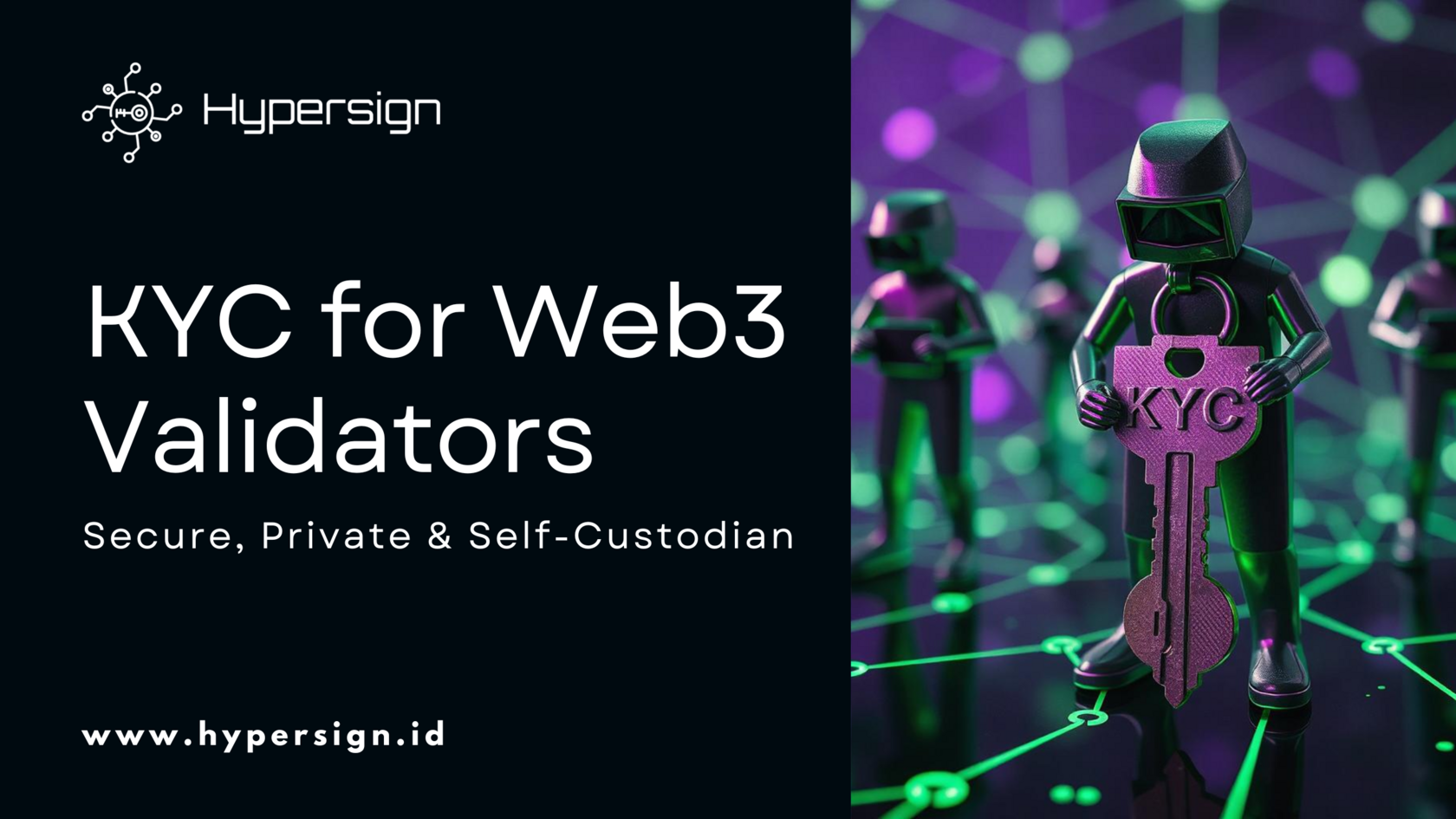
A Decentralized KYC Vaults guide must start with the underlying infrastructure that makes privacy-preserving verification possible. Unlike traditional systems where a central server holds your passport scan and birth certificate, decentralized identity relies on three core components: Decentralized Identifiers (DIDs), Verifiable Credentials (VCs), and Zero-Knowledge Proofs (ZKPs). Together, these technologies allow you to prove you are who you say you are without handing over your raw personal data.
Decentralized Identifiers (DIDs)
DIDs are the foundation of this ecosystem. They are unique, persistent identifiers that you control entirely, rather than those issued by a government or social media platform. Think of a DID as your own personal address on the blockchain—a cryptographic key pair that proves ownership without revealing your location or history. This shifts the power dynamic, ensuring that you, not a corporation, hold the keys to your digital identity. For a deeper understanding of how DIDs function within the broader decentralized identity landscape, see the Dock Labs guide on decentralized identity.
Verifiable Credentials (VCs)
If DIDs are your address, Verifiable Credentials are the digital equivalents of physical documents like driver’s licenses or university degrees. These are cryptographically signed tokens issued by trusted authorities (such as a bank or government agency) and stored in your digital wallet. When a service needs to verify your age or residency, you present the VC. The verifier can check the digital signature to ensure it is authentic and hasn’t been tampered with, all without contacting the issuer again. This creates a trustless environment where verification is instant and secure.
Zero-Knowledge Proofs (ZKPs)
The final piece of the puzzle is the Zero-Knowledge Proof. This cryptographic method allows you to prove a statement is true without revealing the underlying data. For example, you can prove you are over 18 without sharing your actual date of birth. In the context of a Decentralized KYC Vaults guide, ZKPs are the ultimate privacy tool, ensuring that sensitive biometric or financial data never leaves your device. This capability is critical for compliance with strict data protection regulations like GDPR, as it minimizes data exposure while maximizing verification accuracy.
Market Context
The adoption of these technologies is closely tied to the broader crypto identity market. As regulatory frameworks evolve, the demand for compliant, privacy-first identity solutions is driving interest in identity tokens. The following chart illustrates the recent price action of IDEX, a token associated with decentralized identity infrastructure, reflecting market sentiment toward these underlying technologies.
Market landscape and key players
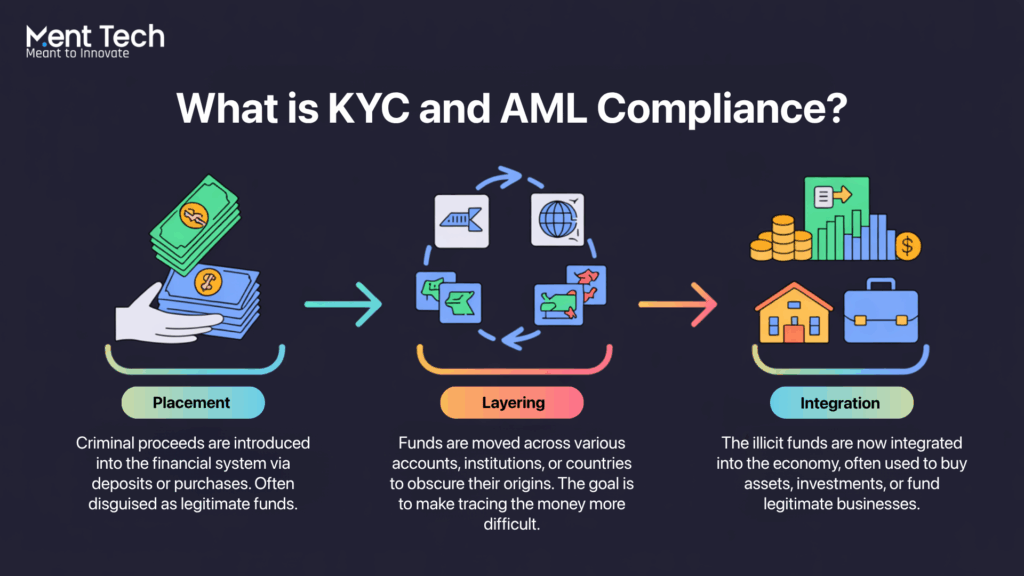
The decentralized KYC vaults guide landscape is shifting from simple identity verification to complex, user-owned data infrastructure. Rather than storing personal information in centralized company databases, the current market structure prioritizes privacy-first substrates where users retain control. This shift is driven by the need to eliminate PII exposure while maintaining regulatory compliance.
Major infrastructure providers are now pairing AI verification agents with decentralized storage models. This approach allows for faster onboarding and reduced fraud risk without compromising user sovereignty. The market is no longer just about checking IDs; it is about managing verifiable credentials in a way that aligns with Web3 identity standards.
To understand the current options, it helps to compare the leading approaches side-by-side. The table below outlines the primary differences in verification methods, data storage models, and target use cases among key players.
| Provider | Verification Method | Data Storage | Target Use Case |
|---|---|---|---|
| Zyphe | AI Agents | User-owned Vaults | Privacy-first onboarding |
| Persona | Document + Biometric | Encrypted Cloud | High-volume crypto exchange |
| Sovrin Network | Verifiable Credentials | Decentralized Ledger | Self-sovereign identity |
| Civic | Proof-of-Personhood | User Mobile Wallet | DeFi access control |

When selecting a decentralized KYC vault solution, the choice of infrastructure depends heavily on your specific compliance needs. AI-assisted verification offers speed and scalability, while decentralized ledgers provide immutability and auditability. The best path forward often involves a hybrid approach, leveraging the strengths of both centralized efficiency and decentralized security.
The market is also seeing a rise in specialized tools for crypto-native compliance. These tools are designed to handle the unique challenges of blockchain-based identity, such as managing multiple wallets and ensuring cross-chain interoperability. As the industry matures, we can expect to see more standardized protocols emerge, making it easier for businesses to integrate these solutions.
Keeping an eye on market trends is essential for staying ahead in this rapidly evolving space. The adoption of decentralized KYC vaults is closely tied to broader regulatory developments and the growth of the Web3 ecosystem. By understanding these dynamics, businesses can make informed decisions about their identity infrastructure.
Strategic benefits for Web3 compliance
Adopting a Decentralized KYC Vaults guide model shifts the burden of identity verification from individual platforms to a shared, permissioned infrastructure. For projects operating in the high-stakes environment of decentralized finance, this architectural choice offers three distinct advantages: regulatory alignment, reduced liability, and improved user privacy.
Regulatory alignment
Traditional Web3 projects often struggle with the "one-size-fits-all" approach to compliance, which either alienates users or fails to meet specific jurisdictional requirements. Decentralized KYC Vaults solve this by creating a standardized layer of trust that multiple protocols can reference. Instead of each platform building its own fragile compliance stack, they integrate with a vault that has already undergone rigorous auditing. This allows projects to demonstrate to regulators that they are participating in a verified ecosystem, rather than operating in a gray area. As noted in industry overviews of decentralized KYC solutions, this shared infrastructure helps bridge the gap between the permissionless nature of DeFi and the regulated expectations of traditional finance [src-serp-6].
Reduced liability
The most immediate benefit for project operators is the drastic reduction in data liability. When a protocol stores user identity documents directly, it becomes a prime target for hackers and a liability in the event of a breach. By using a vault, the sensitive Personally Identifiable Information (PII) is stored off-chain or in encrypted, zero-knowledge proofs. The protocol only receives a boolean verification status (e.g., "KYC passed") or a minimal set of claims required for eligibility. This separation means that even if a protocol is compromised, the attacker gains no valuable identity data. This model effectively insulates the core application from the catastrophic costs associated with data breaches, which are increasingly common in the crypto space.
Improved user privacy and reputation portability
For users, the vault model preserves privacy while enabling "reputation portability." In the current fragmented landscape, a user who has completed KYC on one platform often has to repeat the process on another, exposing their data multiple times. With a decentralized vault, a user’s verified status is portable. They can prove their identity to a new lending protocol or NFT marketplace without re-uploading documents or revealing their full identity to each new entity. This not only enhances user experience but also aligns with the privacy-first ethos of Web3, allowing users to maintain a verified reputation across the ecosystem without sacrificing their personal data to every new dApp they encounter.
Implementation checklist for projects
Building a Decentralized KYC Vaults guide requires more than just code; it demands a rigorous integration strategy. For developers and compliance officers, the goal is to balance user privacy with regulatory scrutiny. Below is a concrete, actionable checklist to evaluate and integrate decentralized KYC solutions into your Web3 project.
Before writing a single line of code, map your jurisdictional obligations. Different regions have varying requirements for identity verification. Determine if you need full PII storage or if a zero-knowledge proof system suffices. This decision dictates your entire infrastructure stack.
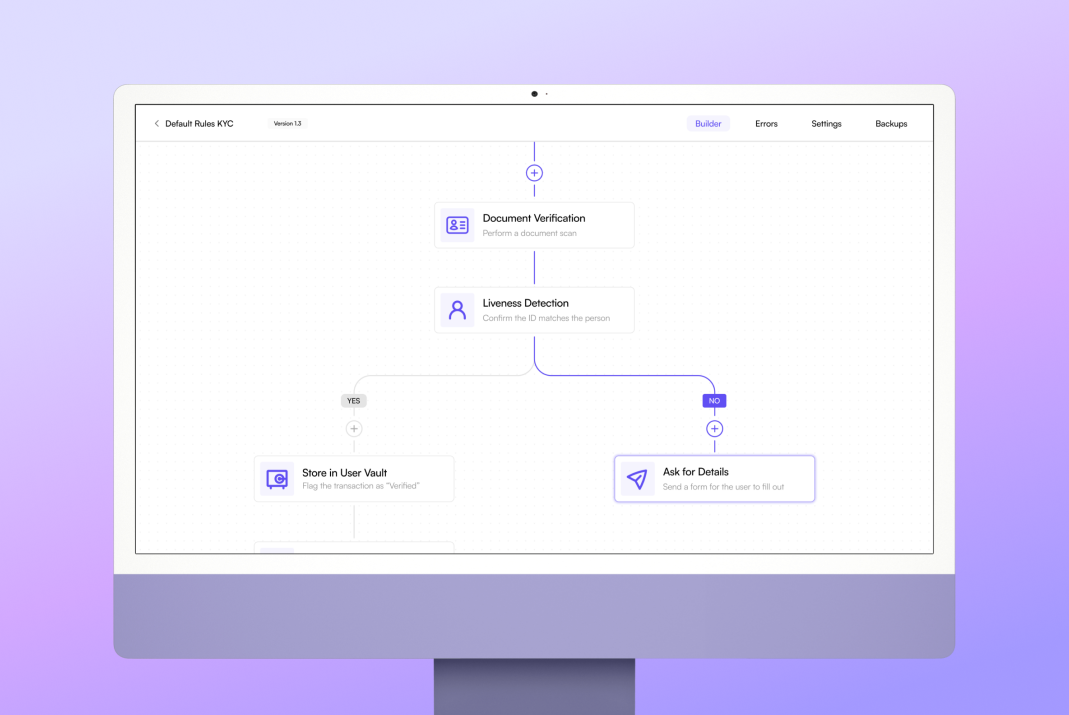
Not all KYC providers support decentralized vaults. Look for partners who offer API-first solutions with robust SDKs for Web3 wallets. Ensure they support the specific verification methods (e.g., passport, selfie) required by your target audience.
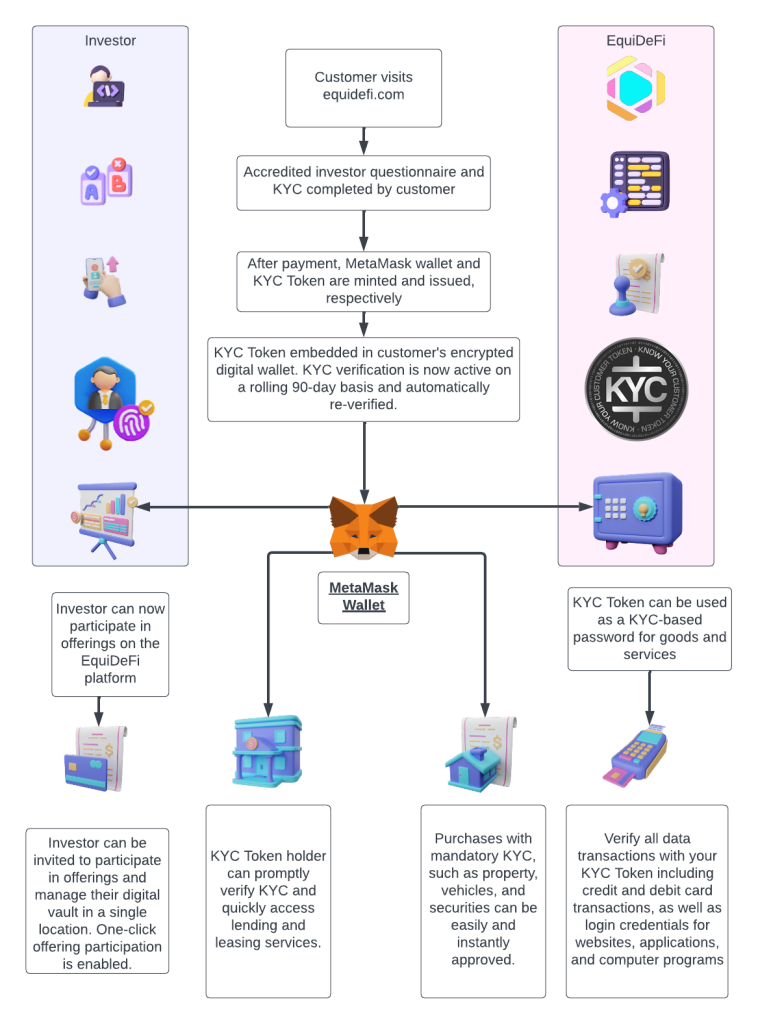
Decide how credentials are stored and accessed. Will you use on-chain verifiable credentials or off-chain encrypted storage? The architecture must ensure that user data is never exposed to your backend unnecessarily. Prioritize user sovereignty and data minimization principles.
Implement the user journey from wallet connection to verification completion. The flow should be seamless, minimizing friction while maintaining security. Test edge cases, such as failed biometric scans or expired IDs, to ensure a smooth user experience.
Before going live, have your smart contracts and data handling processes audited by a reputable firm. Verify that your implementation meets AML/KYC regulations in all operating jurisdictions. Document everything for regulatory inquiries.
Following this checklist ensures your Decentralized KYC Vaults guide is not just theoretical but practically deployable. Remember, trust is built through transparency and robust security practices.
No comments yet. Be the first to share your thoughts!