What decentralized KYC vaults actually are
A decentralized KYC vault is a system that stores personally identifiable information (PII) off-chain while keeping only verification proofs on the blockchain. Instead of relying on a single central database owned by one institution, this model distributes the trust layer across a network. Your sensitive documents—passports, utility bills, or financial records—remain encrypted and stored in secure off-chain locations, such as private cloud storage or personal devices.
The blockchain serves only as a ledger of truth. It records cryptographic hashes or zero-knowledge proofs that confirm your identity has been verified by a trusted authority. When a bank or exchange needs to check your status, they query the chain. If the proof matches, the institution knows you are verified without ever seeing your raw data. This approach eliminates the need for repetitive document uploads and reduces the attack surface for data breaches.
This architecture solves a major friction point in traditional finance: data silos. Currently, if you open accounts at multiple banks, each one requires its own full KYC process. With a decentralized vault, institutions can sync data and documents, guaranteeing a single, golden copy of each client. Whenever a client is onboarded or their data is updated at any institution within the network, the update propagates, ensuring data is kept up-to-date while eradicating duplicates [src-serp-7].
The result is a more efficient onboarding experience for users and a lower compliance burden for institutions. By shifting from centralized storage to a distributed verification model, the industry moves toward a system where privacy and regulatory compliance coexist rather than conflict.
Infrastructure layers and data residency
Decentralized KYC vaults rely on a stack that balances immutability with strict privacy controls. The architecture typically separates the verification proof from the raw personal data, ensuring that sensitive information never resides on a centralized server where it could become a target for breach. This separation is the foundation of the Decentralized KYC Vaults guide approach to regulatory compliance.
Storage and Verification
Personal Identifiable Information (PII) is rarely stored directly on-chain due to cost and privacy laws. Instead, encrypted data is often housed in decentralized storage networks like IPFS or Arweave. These systems distribute the data shards across nodes, providing redundancy without a single point of failure. Verification oracles then act as the bridge, checking the integrity of the stored data against real-world identity providers and issuing a cryptographic signature or proof of validity. This proof, rather than the data itself, is what is recorded on the blockchain, allowing institutions to verify a user's status without accessing their underlying documents.
The Critical Role of Data Residency
Compliance is not just about security; it is about jurisdiction. Data residency requirements dictate where personal data can be physically stored and processed. A Decentralized KYC Vaults solution must allow organizations to specify geographic constraints for their data shards. For example, a European bank may require that all citizen data remains within EU borders, even if the storage network is global. This capability ensures that the decentralized nature of the infrastructure does not override local legal obligations, such as GDPR or CCPA.
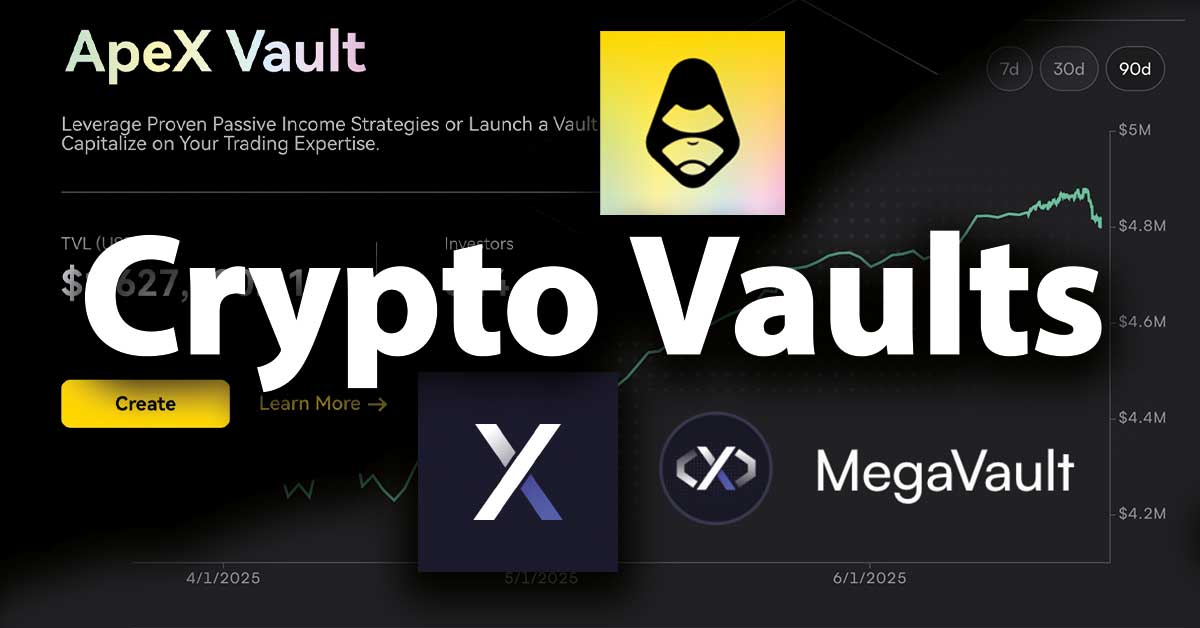
Market Context
The adoption of these infrastructure layers is closely tied to broader DeFi market health. As regulatory clarity improves, institutional interest in compliant DeFi solutions often correlates with positive market sentiment.
The Institutional Shift in DeFi Vaults
The DeFi landscape is undergoing a structural pivot. For years, the narrative centered on permissionless access—trading on decentralized exchanges without identity verification. That era is receding. Institutional capital, which manages trillions in assets, cannot operate in a regulatory vacuum. It requires infrastructure that satisfies compliance mandates, audit trails, and custodial standards.
This shift is driving demand for Decentralized KYC Vaults. These are not merely gateways; they are infrastructure layers that allow institutions to participate in on-chain finance while maintaining regulatory alignment. According to industry analysis from Everstake, institutional-grade vaults now mandate KYC whitelisting, transparent governance, and custodian compatibility (source: Everstake). Without these features, a platform remains a retail toy, not an institutional vehicle.
The barrier to entry has moved from technical literacy to regulatory readiness. Institutions need to know that their capital is protected by legal wrappers and that their identities are verified without exposing sensitive data to the public ledger. This is where decentralized KYC solutions become critical. They enable a synchronized record of client data that can be shared across institutions, eradicating duplicates and ensuring data integrity (source: Intellect EU).
To understand the stakes, consider the market context. Major DeFi protocols are seeing increased institutional interest, but only those that can bridge the gap between anonymity and accountability will capture this liquidity. The following comparison illustrates the fundamental differences between legacy retail DeFi and the emerging institutional standard.
| Feature | Retail DEX/Vault | Institutional KYC Vault |
|---|---|---|
| Identity Verification | None / Optional | Mandatory KYC Whitelist |
| Custody | Self-Custody (Wallet) | Institutional Custodian |
| Regulatory Risk | High / Unregulated | Managed / Compliant |
| Data Privacy | Public Ledger Exposure | Zero-Knowledge / Encrypted |
| Governance | Token-Weighted Voting | Transparent / Audited |
The data above highlights why the market is bifurcating. Retail users may still prefer the simplicity of no-KYC platforms like Uniswap, but institutions require the structure provided by KYC-compliant vaults. This is not just about compliance; it is about scalability. As more traditional finance enters the blockchain space, the Decentralized KYC Vaults guide framework becomes the standard for secure, legal, and efficient on-chain operations.
Tools and vendors for decentralized KYC
Implementing a Decentralized KYC Vault requires selecting infrastructure that balances regulatory compliance with user privacy. The current market offers specialized platforms that function as audit substrates, keeping personal identifiable information (PII) off institutional servers while maintaining a synchronized record of client data across the network.
Intellect Catalyst
Intellect Catalyst operates as a blockchain manager designed for enterprise-grade identity solutions. It enables institutions to sync data and documents, guaranteeing a single, up-to-date record for each client and associated natural persons. This approach eliminates duplicates and ensures that whenever a client is onboarded or their data is updated at any institution within the network, the integrity of the Decentralized KYC Vault is maintained. It is particularly suited for traditional financial institutions needing to modernize legacy compliance workflows without sacrificing data accuracy.
Zyphe
Zyphe provides cryptographic identity vaults that specifically address KYC data retention compliance. By keeping personal data off your servers, Zyphe removes it from your liability list and reduces the overhead associated with storing sensitive PII. This model allows AI and automated compliance systems to verify identities without directly handling the raw data, offering a robust layer of security for institutions looking to minimize their attack surface. It is an ideal choice for firms prioritizing data minimization principles.
Entrust
Entrust offers a decentralized identity model focused on secure and cost-effective sharing of KYC information. Their solution helps banks solve the existing challenges of siloed data by enabling trusted verification across platforms. This is particularly relevant for institutions that need to integrate with multiple counterparties while maintaining a unified view of their customer base. Entrust’s infrastructure is built to handle the high-stakes nature of financial identity verification, ensuring that compliance checks are both rigorous and efficient.
Compliance Hardware and Resources
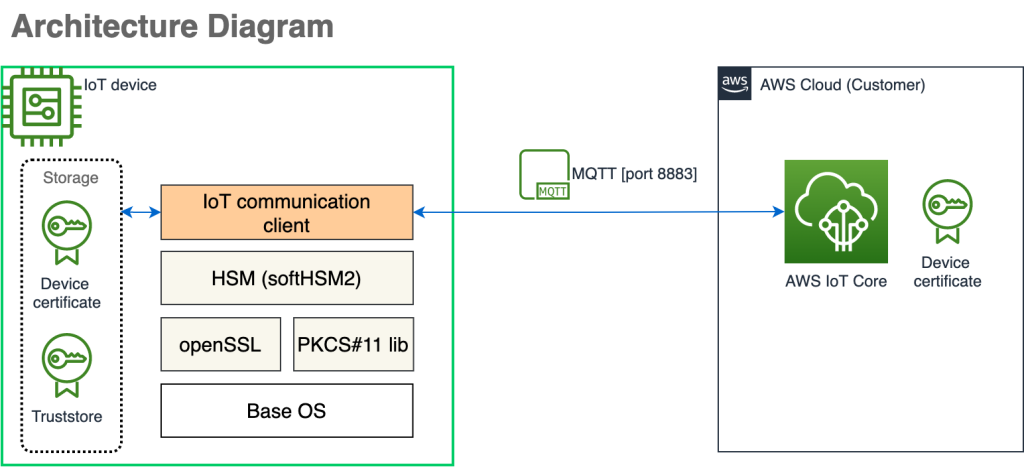
For institutions handling high-value transactions or operating in strictly regulated environments, hardware security modules (HSMs) and specialized compliance literature are essential. These tools provide the physical and theoretical backbone for securing the keys that unlock your Decentralized KYC Vault.
As an Amazon Associate, we may earn from qualifying purchases.
Balancing compliance with the decentralization ethos
Implementing KYC in a decentralized environment often feels like forcing a square peg into a round hole. The core appeal of DeFi is permissionless access, yet regulators demand verifiable identity. A Decentralized KYC Vaults guide must address this tension by treating compliance not as a gatekeeper, but as a modular layer that sits alongside, rather than replaces, user sovereignty.
The first step is selecting a vault architecture that supports zero-knowledge proofs (ZKPs). This allows users to prove they meet regulatory criteria—such as being over 18 or not residing in a sanctioned country—without revealing their actual identity or personal data. By keeping the raw data encrypted and off-chain, you preserve the privacy-centric ethos that defines decentralized finance.
Next, integrate a reputation-based verification system. Instead of storing sensitive documents on a central server, use decentralized identifiers (DIDs) to link verified credentials to a user’s wallet. This approach ensures that a user’s KYC status is portable across platforms, reducing friction while maintaining a synchronized record of their compliance data across the network.
Finally, establish clear data residency and access control policies. Ensure that any centralized components, such as initial onboarding portals, comply with GDPR or CCPA standards. By designing the vault to minimize data retention and maximize user control, you create a system that satisfies legal requirements without compromising the fundamental principles of decentralization.
Frequently Asked Questions About Decentralized KYC Vaults
How do decentralized KYC vaults protect user privacy?
Decentralized KYC vaults protect privacy by storing Personally Identifiable Information (PII) off-chain in encrypted storage networks like IPFS or Arweave. Only cryptographic hashes or zero-knowledge proofs are stored on the blockchain. This means institutions can verify your identity status without ever accessing your raw documents, such as passports or utility bills.
Why do institutional DeFi platforms require KYC?
Institutional capital requires regulatory alignment, including audit trails and custodial standards, to operate legally. Unlike retail DeFi, which often prioritizes permissionless access, institutional vaults mandate KYC whitelisting to satisfy compliance mandates and mitigate regulatory risk. This allows traditional finance to participate in on-chain markets without exposing sensitive data to the public ledger.
What is the role of data residency in decentralized KYC?
Data residency laws, such as GDPR in Europe or CCPA in California, dictate where personal data can be physically stored. Decentralized KYC solutions must allow organizations to specify geographic constraints for data shards. For example, a European bank may require that all citizen data remains within EU borders, ensuring that the decentralized infrastructure does not override local legal obligations.
How does a decentralized KYC vault reduce onboarding friction?
By maintaining a single, synchronized record of client data across a network, decentralized vaults eliminate the need for repetitive document uploads. When a client is onboarded at one institution, the verification proof propagates to others in the network. This reduces redundant verification steps and speeds up the onboarding process for users across multiple platforms.
No comments yet. Be the first to share your thoughts!