What decentralized KYC vaults actually do
Decentralized KYC vaults shift the custody of personally identifiable information (PII) from centralized corporate servers to user-held or encrypted storage. In traditional onboarding, a bank or exchange hoards your passport scan and biometric data, creating a single point of failure for hackers and regulators. In a vault model, that data stays with you, encrypted and accessible only when you grant permission.
This architecture addresses the fundamental tension in digital identity: institutions need to verify compliance, but users need privacy. Instead of uploading raw documents to a central database, you store them in a cryptographic vault. When a service needs to verify your age or location, the vault generates a zero-knowledge proof—a mathematical guarantee that you meet the criteria without revealing the underlying data.
The result is a "golden copy" of your identity that moves with you across institutions. As noted by industry infrastructure providers, this ensures data remains up-to-date while eradicating duplicates, reducing the administrative overhead for both the user and the compliant entity. You control the keys, and you control who sees your information.
To understand the market context for these infrastructure projects, it helps to look at the broader digital asset landscape. The volatility and regulatory scrutiny of crypto assets directly influence the demand for compliant identity solutions.
This shift from institutional custody to user sovereignty is not just a technical upgrade; it is a compliance strategy. By keeping sensitive data off their servers, companies reduce their liability exposure while still meeting regulatory requirements for Know Your Customer (KYC) checks.
How zero-knowledge proofs enable compliance
Decentralized KYC Vaults works best as a clear sequence: define the constraint, compare the realistic options, test the tradeoff, and choose the path with the fewest hidden costs. That order keeps the advice usable instead of decorative. After each step, pause long enough to check whether the recommendation still fits the reader's actual situation. If it depends on perfect timing, unusual access, or a best-case budget, include a simpler fallback.
The simplest way to use this section is to write down the real constraint first, compare each option against it, and choose the path that still works outside ideal conditions.
Infrastructure players and models
Decentralized KYC is not a single product but a stack of specialized roles. You need identity issuers to verify users, verifiers to check credentials, and storage substrates to hold the sensitive data securely. Understanding who does what helps you pick the right pieces for your compliance strategy.
Identity Issuers and Verifiers
Identity issuers are the gatekeepers. They perform the initial due diligence—checking passports, proof of address, and sanctions lists—and issue a verifiable credential to the user. Verifiers are the downstream institutions, like exchanges or banks, that check these credentials. The goal is to break the monopoly of large centralized KYC providers by allowing these roles to be distributed.
Storage Substrates
The most critical infrastructure layer is the storage substrate. Solutions like Zyphe or Dock provide cryptographic identity vaults that keep personal data off your servers. This approach shifts liability away from the verifier. If a breach occurs, the attacker finds encrypted blobs rather than exposed PII. Zyphe, for example, markets itself as an "audit substrate" that ensures KYC data retention compliance without the overhead of managing raw databases [src-serp-2].
Comparing Infrastructure Models
Different platforms offer varying levels of integration complexity and data residency. The table below contrasts three common approaches found in the current market.
| Provider | Primary Focus | Compliance Model | Integration Complexity |
|---|---|---|---|
| Zyphe | PII Storage | Audit Substrate | Medium |
| Dock | DID Issuance | W3C Standards | High |
| Entrust | Enterprise KYC | Regulatory Ready | Low |
The choice often comes down to your risk tolerance. If you are a small DeFi protocol, a storage substrate like Zyphe might reduce your burden. If you are a regulated bank, you may need the enterprise-grade compliance of Entrust [src-serp-4]. Dock offers a middle ground for those building on decentralized identity standards [src-serp-7].
Regulatory risks and data residency rules
Decentralized KYC Vaults works best as a clear sequence: define the constraint, compare the realistic options, test the tradeoff, and choose the path with the fewest hidden costs. That order keeps the advice usable instead of decorative. After each step, pause long enough to check whether the recommendation still fits the reader's actual situation. If it depends on perfect timing, unusual access, or a best-case budget, include a simpler fallback.
The simplest way to use this section is to write down the real constraint first, compare each option against it, and choose the path that still works outside ideal conditions.
Build a compliant onboarding workflow
Integrating decentralized KYC vaults requires balancing regulatory rigor with user privacy. The goal is to verify identity without storing sensitive data on your own servers, reducing your liability while maintaining a frictionless experience for the user.
Before integrating any technology, map your legal obligations. Determine which jurisdictions your users inhabit and what specific checks (CIP, CDD, or EDD) are mandatory. This determines whether you need full identity verification or just a proof of residency.
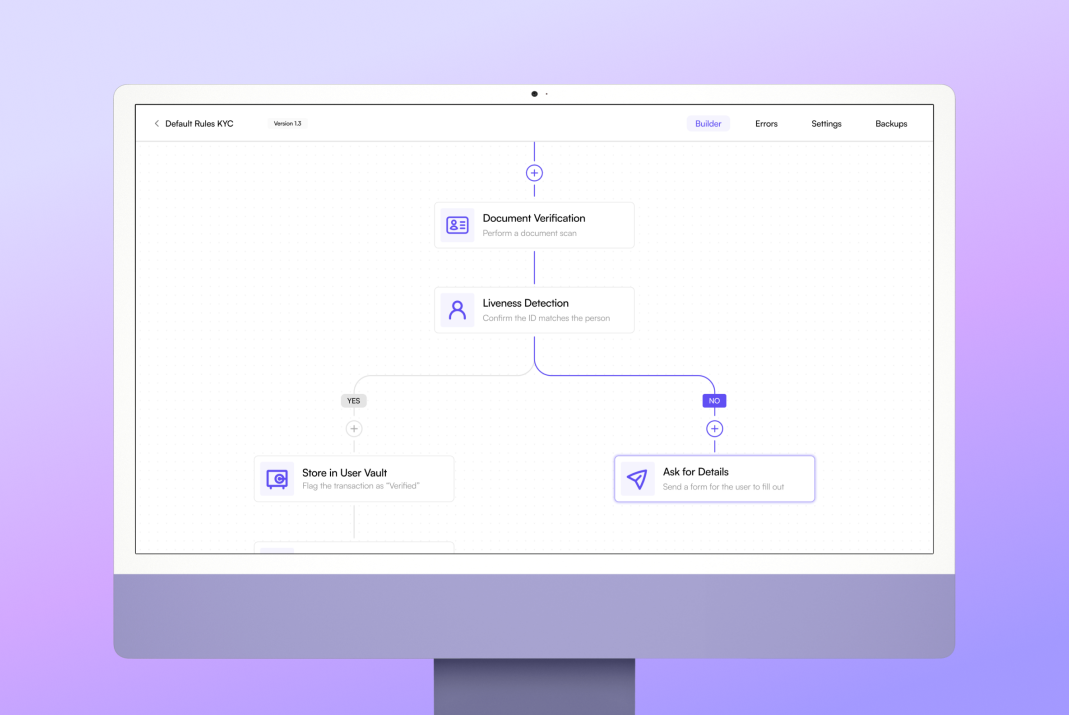
Choose a decentralized identity provider that issues W3C-compliant Verifiable Credentials. Ensure they support zero-knowledge proofs (ZKPs) so users can prove they meet your criteria (e.g., "over 18") without revealing their birthdate or full name.
Connect your onboarding flow to the user’s digital wallet. The user presents their signed credential from the vault. Your system validates the cryptographic signature against the provider’s public key to confirm authenticity without accessing the underlying personal data.
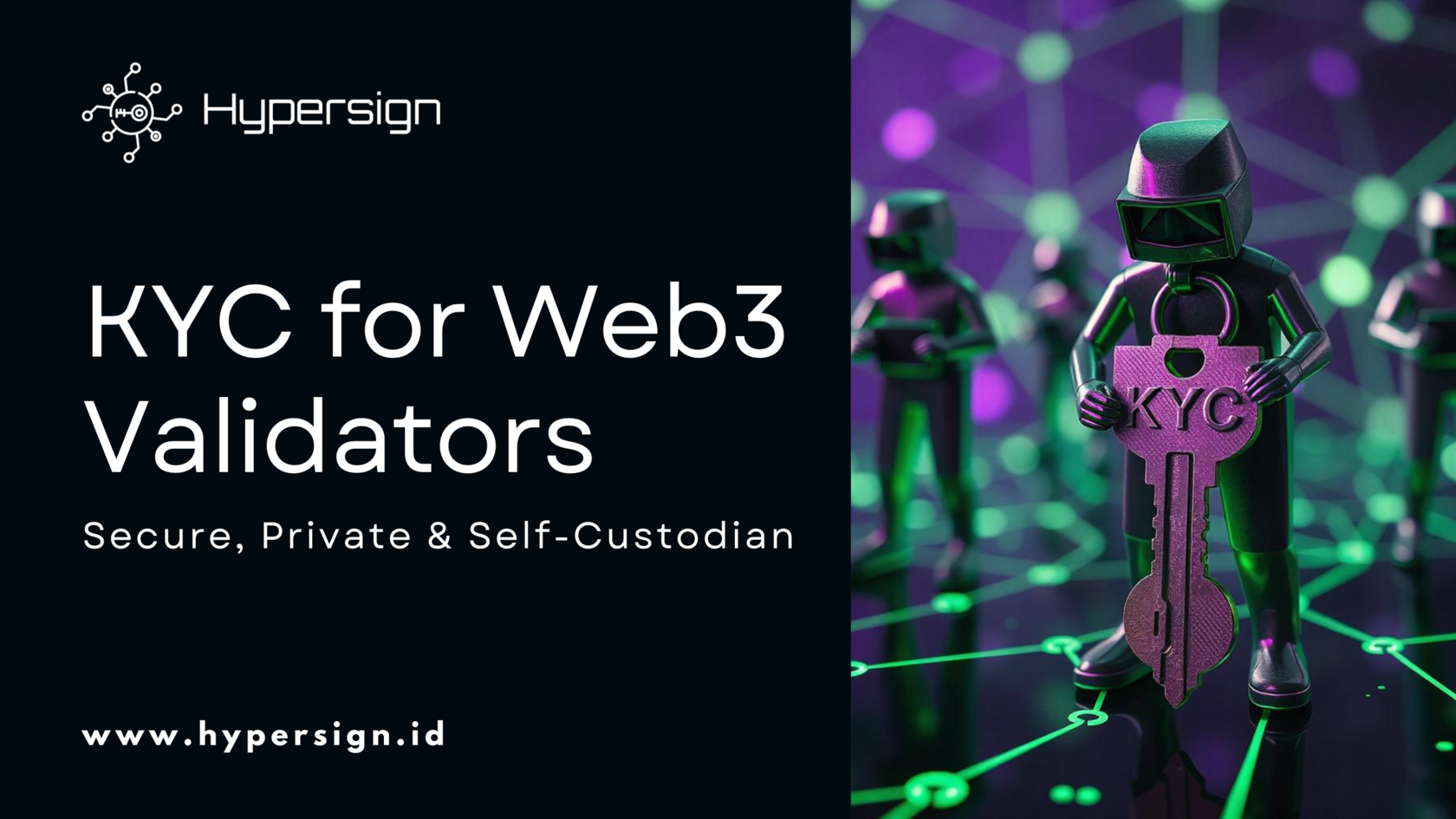
Compliance is not a one-time event. Implement automated monitoring to check if a user’s credential has been revoked or if their risk profile changes. Use this data to trigger re-verification only when necessary, keeping the user experience smooth.
To understand the market context for these infrastructure providers, consider the volatility of the underlying crypto assets they often serve. The following chart illustrates the price action of a major benchmark asset, which often correlates with regulatory scrutiny periods.
When comparing traditional KYC providers against decentralized vault solutions, the trade-offs become clear. Traditional providers offer high accuracy but high data liability. Decentralized vaults offer privacy but require more complex user education.
| Feature | Traditional KYC | Decentralized Vault |
|---|---|---|
| Data Storage | Centralized database | User-controlled wallet |
| Privacy Risk | High (data breach target) | Low (zero-knowledge proofs) |
| User Experience | High friction (manual uploads) | Medium (wallet interaction) |
| Compliance Cost | High (infrastructure + legal) | Medium (integration + monitoring) |
Common questions about decentralized identity
Decentralized identity shifts the burden of verification from centralized databases to cryptographic proofs. This approach aims to solve the fragmentation and privacy risks inherent in traditional Know Your Customer (KYC) processes.
These mechanisms represent a significant shift from the traditional compliance model. By leveraging zero-knowledge proofs and distributed ledgers, decentralized KYC seeks to balance regulatory requirements with user privacy. This infrastructure is becoming increasingly vital as DeFi and Web3 applications mature and face greater scrutiny from regulatory bodies.
No comments yet. Be the first to share your thoughts!