What decentralized KYC vaults actually are
Decentralized KYC vaults represent a structural shift in how identity data is stored and verified. Instead of each financial institution maintaining its own isolated, centralized database of customer documents, these vaults use distributed ledger technology to create a user-controlled storage mechanism. This architecture addresses the fragmentation and security risks inherent in traditional Know Your Customer (KYC) processes.
In a traditional model, your identity data is siloed. If you open accounts with five different banks, you submit your passport and proof of address five separate times. Each institution stores a copy of that data in its own centralized server. This creates redundant administrative costs and expands the attack surface for data breaches. If one bank is compromised, your sensitive information is exposed. Decentralized KYC vaults eliminate this redundancy by placing the data under the user’s control, not the institution’s.
These 'vaults' refer to user-controlled storage mechanisms for identity credentials, not financial assets or crypto wallets holding monetary value. They are secure digital containers for your documents and verification status.
The core innovation lies in the separation of data storage from data verification. When you onboard with a provider, your verified credentials are stored in a decentralized vault. Other institutions can then request access to specific data points—such as "Is this person over 18?" or "Has this person passed AML checks?"—without needing to store the underlying documents themselves. This is often achieved through zero-knowledge proofs or selective disclosure mechanisms, allowing you to prove compliance without revealing unnecessary personal details.
This shift moves the burden of data management from the institution back to the individual. You hold the keys to your identity vault. When a bank needs to verify you, they send a request to your vault. You approve the release of the specific data they need, and the verification is recorded on the blockchain or distributed network. This ensures a single, golden copy of your KYC status exists across the network, reducing duplicates and keeping your data up-to-date, as noted by industry analyses on decentralized identity models Entrust.
From a regulatory perspective, this model offers auditable trails. Every time a credential is shared, a timestamped record exists on the ledger. This transparency helps institutions meet anti-money laundering (AML) requirements while respecting data privacy regulations like GDPR. The vault acts as a neutral, secure intermediary, ensuring that your identity data is not hoarded by any single entity, but is instead a portable asset you can use across the financial ecosystem.
How verification agents and oracles work
Decentralized KYC vaults rely on a specific technical architecture to fulfill the "verified once, reusable everywhere" promise without exposing raw personally identifiable information (PII). The system separates the storage of sensitive documents from the verification process. Instead of sending your passport or driver's license to a centralized database, you store these assets in a user-controlled vault. Verification agents—often powered by AI—then interact with these vaults to confirm authenticity and compliance status.
The core challenge in this infrastructure is bridging the gap between off-chain identity data and on-chain smart contracts. This is where oracles come in. An oracle acts as a secure bridge, fetching data from the user's vault and translating it into a format that blockchain applications can understand. However, it does not transmit the raw data itself. Instead, it transmits a cryptographic proof or a standardized credential that attests to the user's verified status.
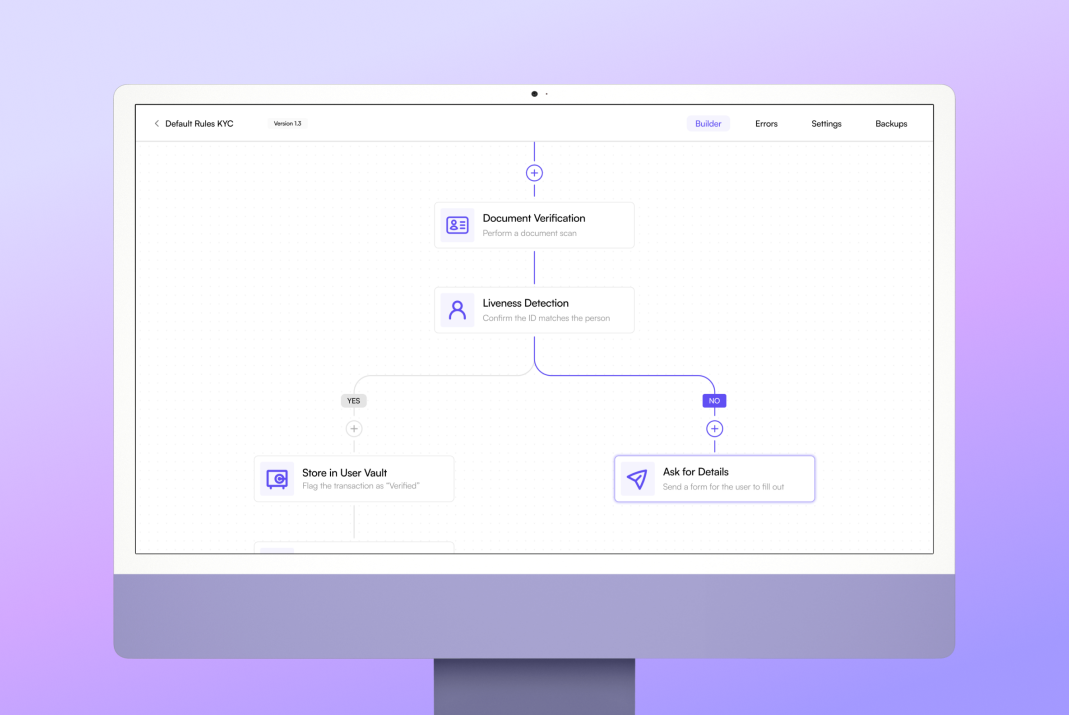
The user grants a smart contract or application permission to access their decentralized identity vault. This permission is time-bound and specific to the required checks, such as age or residency, ensuring minimal data exposure.
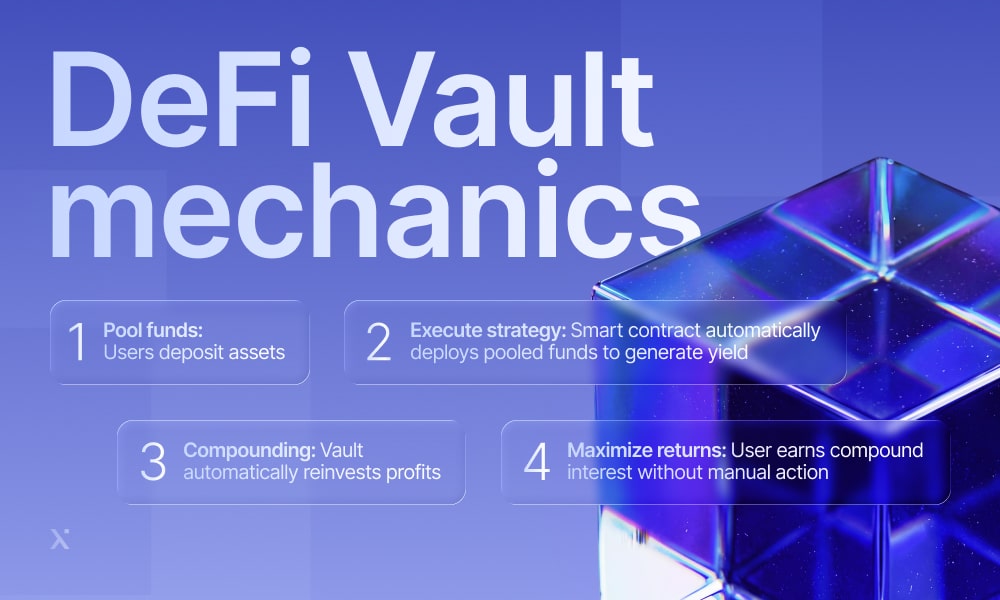
An AI verification agent accesses the vaulted documents. It uses optical character recognition and fraud detection algorithms to confirm that the credentials are genuine and unexpired. This happens without the data leaving the secure vault environment.
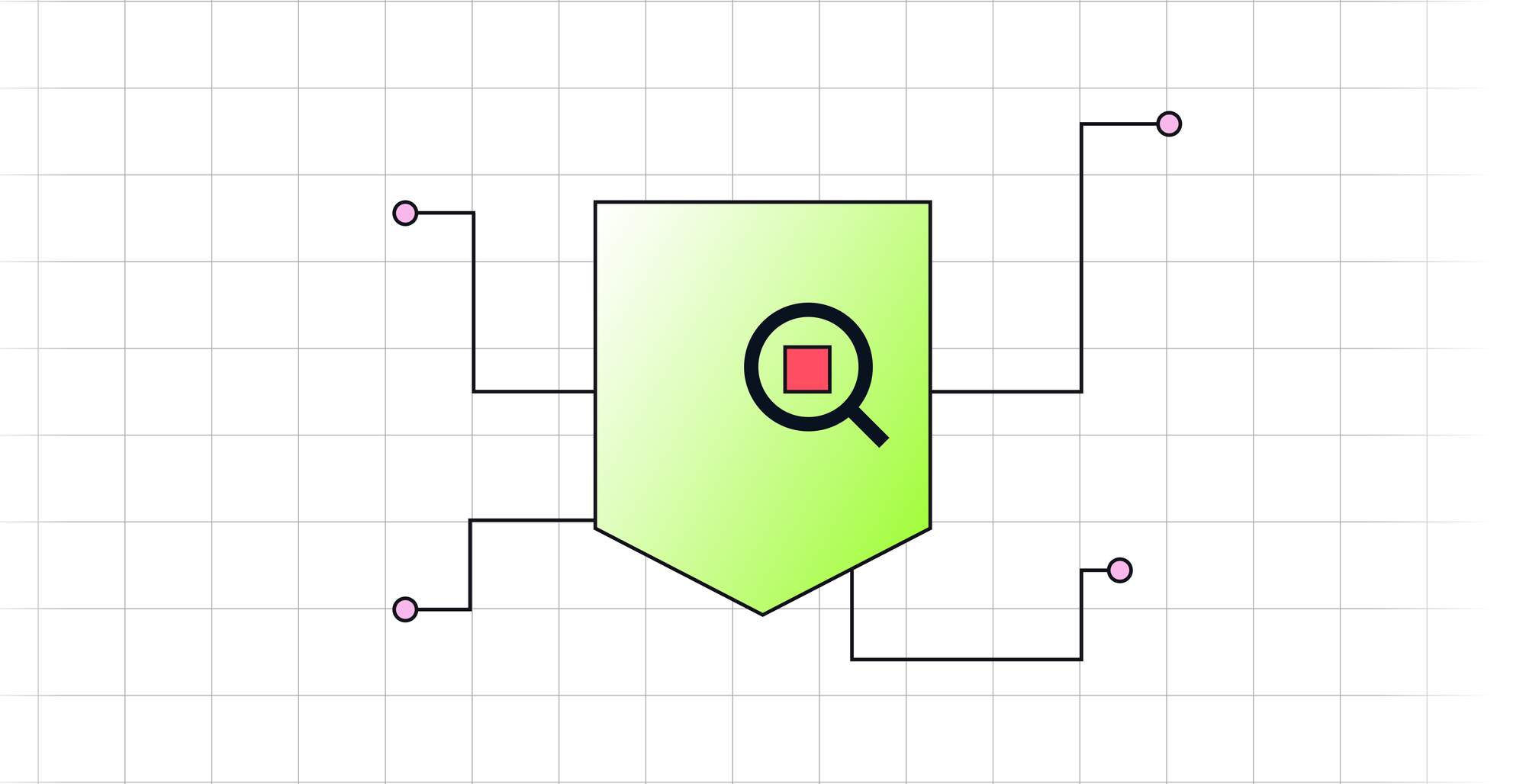
Once validated, the oracle generates a signed attestation or verifiable credential. This digital signature proves the user is verified without revealing the underlying documents. The application receives this proof and grants access based on the smart contract's rules.
This mechanism ensures that no single entity holds a complete, centralized database of user identities. As noted by Zyphe, this architecture shifts personal data from company databases into user-owned vaults, effectively eliminating the need for repetitive KYC submissions. The oracle merely confirms that the vault contains valid, up-to-date information, maintaining privacy while satisfying regulatory requirements.
The result is a system where identity is portable and private. Users retain control over their data, while institutions receive the compliance assurances they need. This approach reduces the risk of large-scale data breaches and streamlines the onboarding process for financial and digital services.
Key players in the decentralized KYC market
The infrastructure for decentralized KYC is shifting from experimental prototypes to operational systems. Rather than storing personal data in centralized silos, leading providers are building substrates that keep identity documents in user-controlled vaults while allowing institutions to verify credentials on-chain. This model reduces regulatory risk for banks and exchanges by ensuring that sensitive personally identifiable information (PII) is never held in plaintext by the service provider.
Zyphe has positioned itself at the intersection of AI and privacy. Their platform pairs AI verification agents with a substrate that shifts personal data from company databases into user-owned vaults. This approach eliminates the need for companies to store raw PII, instead relying on cryptographic proofs of identity. By automating the verification process through AI agents, Zyphe aims to reduce the friction typically associated with onboarding while maintaining strict data sovereignty for the user.
Dock Labs focuses on the broader decentralized identity (DID) infrastructure. Rather than offering a single KYC product, Dock provides the foundational protocols and tools that allow other applications to build verifiable credentials. Their work supports the creation of portable identity records that can be used across multiple platforms. This interoperability is critical for enterprises that need to share KYC data with partners without exposing the underlying source documents.
Intellect EU’s Catalyst platform targets the enterprise sector, specifically financial institutions. It addresses the challenge of maintaining a single, golden copy of client data across a network of institutions. When a client is onboarded or their data is updated at one institution, the system ensures that all participating entities sync this information. This prevents data duplication and ensures that compliance records remain current without requiring manual re-verification at every touchpoint.
Entrust brings traditional identity management expertise to the decentralized space. Their approach focuses on helping banks solve the cost and security challenges of sharing KYC information. By leveraging decentralized identity models, Entrust enables financial institutions to verify customers more securely and cost-effectively. This is particularly relevant for legacy banks that need to integrate modern identity verification without overhauling their entire compliance infrastructure.
Compliance challenges in decentralized finance
The friction between decentralized finance (DeFi) and regulatory frameworks stems from a fundamental mismatch: regulators require identifiable actors, while DeFi protocols prioritize pseudonymous transactions. Traditional centralized exchanges solve this by holding all user data in a single database, creating a high-value target for hackers and a single point of failure for privacy. Decentralized KYC vaults attempt to resolve this tension by allowing institutions to verify identity without pooling sensitive data into a centralized repository.
Decentralized KYC enables institutions to sync data and documents, guaranteeing a single, golden copy of each client and associated natural persons (https://catalyst.intellecteu.com/use-cases/decentralised-kyc). This architecture ensures data remains up-to-date while eradicating duplicates across the network. Instead of every institution re-verifying a user from scratch, a verified credential is stored in a secure vault. When a user interacts with a new protocol, they can present a zero-knowledge proof that they are verified, without revealing their underlying identity documents to the protocol itself.
This approach helps institutions meet Anti-Money Laundering (AML) and Know Your Customer (KYC) laws without centralizing data. It shifts the burden from the protocol to the user’s identity provider, allowing DeFi platforms to remain permissionless while still satisfying regulatory requirements for illicit activity prevention. The result is a system where compliance is baked into the infrastructure rather than applied as a restrictive gate.
Choosing a decentralized KYC solution
Selecting a provider requires balancing regulatory alignment with technical integration. Institutions should evaluate vendors based on their ability to maintain a single, golden copy of client data across the network. This approach ensures that updates propagate automatically, eliminating duplicates and keeping records current.
Start by verifying the provider’s compliance framework. Look for solutions that support zero-knowledge proofs, allowing verification without exposing raw personal data. This minimizes liability and aligns with strict data privacy standards like GDPR. Check if the vendor offers APIs that integrate smoothly with existing onboarding workflows.
Consider the cost structure and scalability. Some providers charge per verification, while others offer subscription models. Evaluate how the solution handles volume spikes during peak onboarding periods. A robust infrastructure should maintain performance without compromising security or compliance checks.
Finally, assess the vendor’s track record and support capabilities. Prioritize providers with established relationships with regulatory bodies and clear documentation for audits. This reduces friction during regulatory examinations and ensures long-term operational stability.
Frequently asked questions about decentralized KYC
[1] Intellect Eu, "Solutions - KYC - Catalyst Blockchain Manager." [2] Business Insider, "Best No-KYC Crypto Exchanges."
No comments yet. Be the first to share your thoughts!