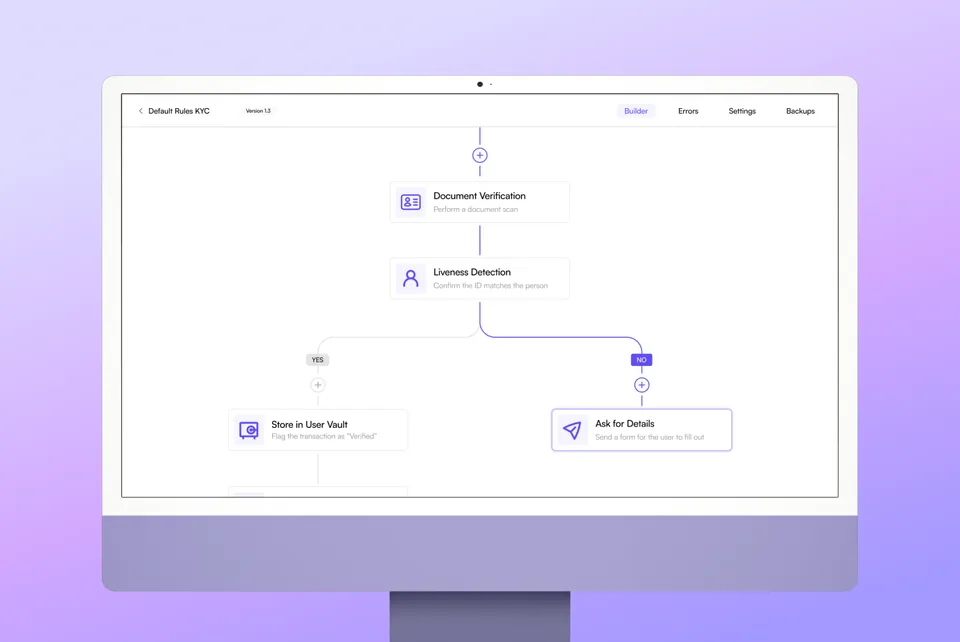
Decentralized KYC vaults: limits to account for
Decentralized KYC (dKYC) vaults shift identity verification from centralized databases to user-controlled cryptographic storage. This architecture reduces liability for institutions but introduces specific technical and regulatory constraints. Understanding these limits is critical before selecting a provider or building infrastructure.
Decentralized KYC vaults: choices that change the plan
Selecting a dKYC solution requires balancing privacy, compliance, and interoperability. The following comparison highlights key factors to evaluate when choosing a vault provider or protocol.
| Factor | What to check | Why it matters |
|---|---|---|
| Fit | Match the option to the primary use case. | A good deal still fails if it does not fit the job. |
| Condition | Verify age, wear, and service history. | Hidden condition issues erase upfront savings. |
| Cost | Compare purchase price with likely upkeep. | The cheapest option is not always the lowest-cost option. |
Build a Decentralized KYC Vault Infrastructure
Building a decentralized KYC system requires moving from centralized data hoarding to cryptographic verification. This framework outlines the five essential layers for constructing a compliant, user-centric vault infrastructure.
1. Select a Verifiable Data Standard
Choose a decentralized identifier (DID) and verifiable credential (VC) standard that aligns with your target jurisdictions. W3C-compliant standards ensure interoperability across different KYC providers. Avoid proprietary formats that lock you into a single vendor. Prioritize standards that support selective disclosure, allowing users to share only necessary data points.
2. Implement Zero-Knowledge Proof (ZKP) Protocols
Integrate ZKP protocols to verify attributes without exposing raw personal identifiable information (PII). This allows institutions to confirm age, residency, or sanction status without storing sensitive documents. ZKPs reduce regulatory liability by minimizing the data footprint. Ensure your cryptographic implementation supports the latest privacy-preserving algorithms.
3. Deploy Cryptographic Identity Vaults
Store encrypted user credentials in decentralized storage networks rather than central databases. This shifts liability away from your infrastructure and onto the user’s device. Solutions like decentralized PII storage keep data off your servers entirely. This architecture ensures that a breach of your systems does not result in a mass data leak.
4. Integrate Multi-Provider Verification Oracles
Connect your vault to multiple KYC providers via oracle networks. This prevents vendor lock-in and ensures continuous compliance if one provider faces downtime or regulatory changes. Users can choose the most cost-effective or region-specific verifier. Your infrastructure should remain agnostic to the source of the verification.
5. Establish Automated Compliance Audits
Implement smart contracts that automatically check credential validity and expiration dates. This removes manual review overhead and ensures real-time compliance. Configure alerts for credential revocation or regulatory changes. Automated audits provide an immutable record of every verification event for regulators.
Spotting Weak Options in Decentralized KYC
Many providers market "decentralized" identity solutions without explaining the actual infrastructure. This section highlights common pitfalls to avoid when evaluating decentralized KYC vaults.
Claiming Full Self-Sovereignty Without Off-Ramp
Some platforms promise users absolute control but lack clear paths for institutional compliance. If a vault cannot generate verifiable credentials for regulated entities, it fails as a business tool.
Ignoring Data Minimization Principles
True decentralized KYC stores only necessary proofs, not raw documents. Solutions that still require uploading full passports to a blockchain node are merely centralized databases with extra steps. This increases liability without adding security.
Overlooking Interoperability Standards
A vault isolated in one ecosystem is useless for global finance. Check if the solution supports W3C Verifiable Credentials and DID standards. Without interoperability, you create silos that frustrate users and auditors.
Misrepresenting Storage Locations
"Decentralized" does not mean data is everywhere. Understand where the actual PII resides. If the provider stores sensitive data on centralized servers while only hashing metadata on-chain, the security promise is hollow. Look for cryptographic vaults that keep personal data off your servers entirely.
Decentralized kyc: frequently asked: what to check next
What is decentralized KYC?
Decentralized KYC shifts control of personal data from centralized servers to the user. It uses blockchain or distributed ledger technology to create a single, verified copy of identity documents. Institutions can verify credentials without storing sensitive PII, reducing liability and eliminating duplicate records across networks.
What are the top KYC companies in the market?
Leading providers include GBG, Sumsub, Veriff, Trulioo, Entrust, Jumio, Socure, LexisNexis Risk Solutions, and AU10TIX. The best option depends on your global coverage needs, integration complexity, and workflow flexibility. Traditional providers often offer broader fiat banking integration, while newer entrants focus on crypto-native compliance.
How do KYC vaults handle data retention?
Vaults store cryptographic proofs of identity rather than raw documents. This keeps personal data off your direct liability list. Compliance is maintained through zero-knowledge proofs or selective disclosure, allowing you to prove a user is verified without retaining the underlying sensitive files.
Is decentralized KYC compliant with GDPR?
Yes, when implemented correctly. By storing data off-chain in user-controlled wallets and using cryptographic proofs, you avoid holding personal data on centralized servers. This aligns with GDPR principles of data minimization and user consent, though legal review is always recommended for specific jurisdictions.
No comments yet. Be the first to share your thoughts!