What decentralized KYC vaults solve
Traditional KYC processes are broken by design. Financial institutions operate in silos, forcing customers to submit the same passport, proof of address, and biometric data to every new platform. This redundancy creates massive privacy risks and operational inefficiencies. When a bank or crypto exchange stores your documents, they become a target for breaches, yet the data is often stale or incomplete.
Decentralized KYC vaults shift control back to the user. Instead of sending raw documents to every service, you store verified credentials in a secure, personal vault. These vaults act as a single source of truth for your identity. When you need to onboard with a new provider, you grant them permission to access specific data points rather than handing over your entire file.
This model solves the duplication problem highlighted by industry leaders. As noted in analyses of decentralized identity frameworks, the goal is to maintain "a single, golden copy of each client" that updates automatically across the network. You verify once, and the verified status is shared securely where needed. The institution no longer needs to store sensitive raw documents, reducing their liability and your exposure to data leaks.
The Technical Stack Behind Decentralized KYC Vaults
Building a decentralized KYC vault requires a specific set of cryptographic primitives that replace traditional database rows with verifiable data structures. At the core of this architecture are Decentralized Identifiers (DIDs) and Verifiable Credentials (VCs). Think of DIDs as the unique, blockchain-resolvable address for an identity, while VCs are the signed, tamper-proof documents—like a passport scan or proof of address—that the holder controls. This separation ensures that no single institution owns the identity data; instead, the user holds a digital wallet containing their credentials.
The "vault" aspect refers to how these credentials are stored and shared. Rather than uploading sensitive documents to a central server, data is encrypted and stored in decentralized storage layers like IPFS or Arweave. The vault acts as a secure container, allowing the user to grant temporary, granular access to a verifier. This approach minimizes the attack surface for data breaches, as there is no single honeypot of customer data for hackers to target.
To understand the market momentum behind these identity protocols, it is useful to look at the performance of key infrastructure tokens. The following chart tracks the price action of a representative identity-focused asset, reflecting investor sentiment toward decentralized identity solutions.
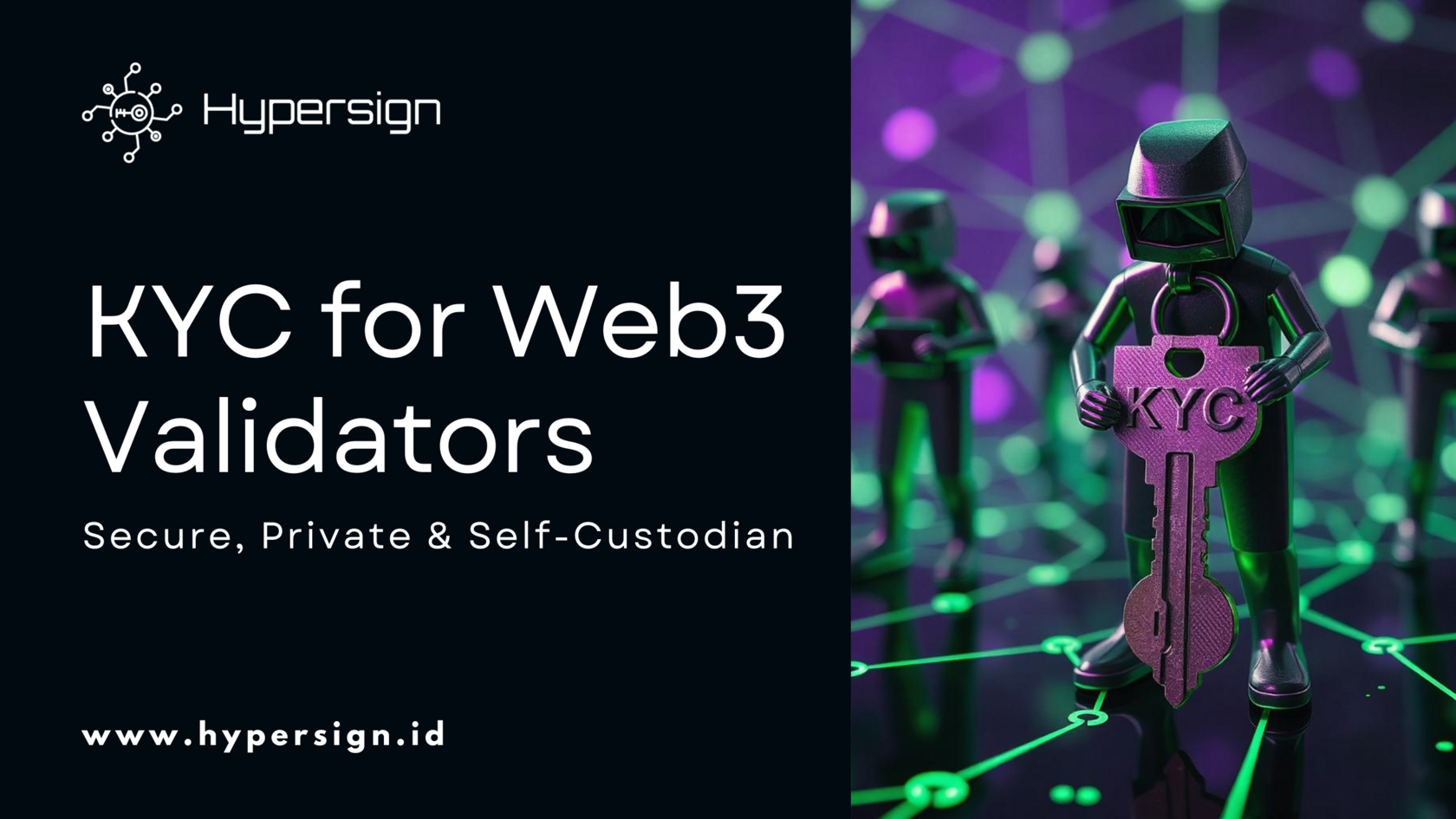
For institutions implementing this stack, compliance is non-negotiable. While the technology is decentralized, the regulatory requirements remain centralized. A robust Decentralized KYC system must ensure that the underlying Verifiable Credentials are issued by trusted attesters and that the revocation status of those credentials is checked in real-time. This technical layer supports the legal requirement for a "single, golden copy" of client data across a network of institutions, eliminating duplicates while maintaining auditability. The image below illustrates the concept of secure, vault-based storage for digital assets and identity data.

How the verification workflow operates
A decentralized KYC vault turns identity verification into a reusable credential rather than a one-time transaction. The user submits documents to a trusted verifier, receives a zero-knowledge proof or signed attestation, and stores it in a personal vault. When the user later accesses a new platform, they present only the necessary proof, preserving privacy while satisfying compliance.
This workflow relies on three distinct phases: issuance, storage, and presentation. Each phase must handle cryptographic integrity and regulatory requirements without exposing raw personal data to the relying party.
1. Identity issuance and attestation
The process begins when the user submits identity documents to a certified verifier. The verifier performs Know Your Customer (KYC) checks against official databases or government records. Once verified, the verifier generates a cryptographic attestation—a signed statement confirming the user meets specific criteria, such as being over 18 or located in a permitted jurisdiction.
This attestation is the core asset of the decentralized KYC vault. It does not contain the user's passport number or home address. Instead, it contains a hash of the data and a digital signature from the verifier. The user receives this attestation and stores it in their personal vault, which is encrypted and controlled entirely by the user.
2. Secure storage in the personal vault
The personal vault acts as a private container for these attestations. Unlike traditional databases where companies store your data, the vault ensures the user retains ownership. The data is encrypted using keys that only the user controls. This structure eliminates the risk of large-scale data breaches affecting identity information, as no central server holds the raw documents.
The vault interfaces with decentralized identity standards, such as W3C Verifiable Credentials. This allows the attestation to be portable across different applications and blockchains. The user can manage which attestations are active, revoke them if compromised, and control who can request access to them.
3. Selective disclosure and verification
When a user wants to access a new service, they initiate a verification request. The service specifies what information it needs—for example, "prove age > 18". The vault generates a zero-knowledge proof that satisfies this request without revealing the underlying birth date or document details.
The relying party receives the proof and verifies it against the verifier's public key. If the proof is valid, the service grants access. This selective disclosure mechanism ensures that the user shares only the minimum necessary data, reducing exposure and aligning with privacy regulations like GDPR. The entire flow maintains compliance while empowering the user with control over their identity.
The user uploads identification documents to a certified verifier. The verifier checks the data against official sources and issues a signed cryptographic attestation upon successful validation.
The user receives the attestation and stores it in their encrypted personal vault. The vault manages keys and ensures the user retains full ownership and control over their identity credentials.
When accessing a new platform, the user initiates a verification request. The vault generates a zero-knowledge proof that satisfies the platform's specific requirements without exposing raw personal data.
Navigating regulatory requirements
Decentralized KYC Vaults works best as a clear sequence: define the constraint, compare the realistic options, test the tradeoff, and choose the path with the fewest hidden costs. That order keeps the advice usable instead of decorative. After each step, pause long enough to check whether the recommendation still fits the reader's actual situation. If it depends on perfect timing, unusual access, or a best-case budget, include a simpler fallback.
| Factor | What to check | Why it matters |
|---|---|---|
| Fit | Match the option to the primary use case. | A good deal still fails if it does not fit the job. |
| Condition | Verify age, wear, and service history. | Hidden condition issues erase upfront savings. |
| Cost | Compare purchase price with likely upkeep. | The cheapest option is not always the lowest-cost option. |
Common implementation mistakes
Building a decentralized KYC vault requires balancing regulatory compliance with user privacy. When developers prioritize convenience over cryptographic rigor, they introduce vulnerabilities that can compromise the entire system. Below are the most frequent pitfalls and how to avoid them.
Over-collecting data
The principle of data minimization is central to privacy-preserving identity. Many projects fall into the trap of storing unnecessary personal details in the vault, assuming that "more data is safer." This approach violates GDPR and other privacy frameworks and increases the attack surface. If you only need to verify that a user is over 18, do not collect their full date of birth or address. Store only the cryptographic proof of eligibility, not the raw data itself.
Poor zero-knowledge proof design
Zero-knowledge proofs (ZKPs) are the backbone of decentralized KYC, but they are complex to implement correctly. A common mistake is using generic ZK circuits that are inefficient or insecure. Developers should use established, audited libraries like Circom or Halo2 rather than building custom circuits from scratch. Incorrect circuit design can lead to false positives (verifying invalid users) or false negatives (rejecting valid users), breaking the trust model entirely.
Weak key management
The security of a KYC vault hinges on the private keys that control access. If keys are stored in insecure locations, such as client-side local storage or unencrypted databases, the vault is useless. Use hardware security modules (HSMs) or secure enclaves for key generation and storage. Additionally, implement robust key recovery mechanisms that do not rely on a single point of failure, such as a central authority holding the master key.
Ignoring regulatory updates
KYC regulations evolve rapidly. A vault that complies with current laws may become non-compliant overnight due to new sanctions or reporting requirements. Design your system to be modular and updatable. Allow for quick integration of new verification rules or data sources without requiring a full system overhaul. Regular audits and legal reviews are essential to maintain compliance.
Warning: Never store raw PII in the vault. Use cryptographic proofs instead.
Lack of interoperability
A decentralized KYC system should allow users to reuse their verified identity across multiple platforms. If each service requires a separate verification process, the user experience suffers, and data silos are created. Adopt open standards like W3C Verifiable Credentials to ensure that proofs generated in one vault can be validated by any compliant verifier. This interoperability is crucial for the widespread adoption of decentralized identity.
Frequently asked: what to check next
Helpful gear
Use these product recommendations as a starting point, then choose the size, material, and price point that fit how you actually use the gear.



As an Amazon Associate, we may earn from qualifying purchases.
No comments yet. Be the first to share your thoughts!