Decentralized kyc vaults: the limits to account for
Decentralized KYC vaults solve a specific infrastructure problem: how to verify identity without storing sensitive documents in centralized databases that become prime targets for hackers. Instead of holding passports or utility bills, these vaults use zero-knowledge proofs to confirm attributes like age or residency without revealing the underlying data. This architecture shifts the burden of security from the service provider to the user’s device.
The constraint lies in the complexity of implementation. Building a system that satisfies both regulatory auditors and user privacy expectations requires careful orchestration of on-chain credentials and off-chain verification layers. Institutions must ensure their "golden copy" of client data remains synchronized across multiple decentralized identifiers without creating a single point of failure.
For developers and compliance officers, the challenge is balancing this technical architecture with real-world legal requirements. The vault must prove compliance to regulators while remaining invisible to other network participants. This guide breaks down the infrastructure, tools, and market strategies needed to build vaults that are both secure and legally sound.
Decentralized kyc vaults choices that change the plan
Choosing a decentralized KYC architecture requires balancing privacy guarantees against regulatory scrutiny and operational complexity. There is no single perfect model; each approach shifts risk between the user, the issuer, and the verifier. Understanding these tradeoffs helps teams select a stack that satisfies compliance officers without alienating privacy-conscious users.
Zero-Knowledge Proofs vs. Verifiable Credentials
Zero-knowledge proofs (ZKPs) allow users to prove attributes—like being over 18 or not on a sanctions list—without revealing the underlying data. This offers the strongest privacy protection because the verifier never sees the raw identity document. However, ZKPs require significant computational resources for proof generation and verification, which can slow down onboarding flows. They also lack a standardized legal framework in many jurisdictions, making compliance audits more difficult.
Verifiable credentials (VCs), often issued by trusted identity providers, offer a middle ground. Users present signed credentials directly to the verifier. This is faster and computationally cheaper than ZKPs, but it requires the verifier to trust the issuer. If the issuer is compromised or acts maliciously, the credential’s validity is undermined. This model is more familiar to traditional KYC workflows but offers less granular privacy control.
User Custody vs. Institutional Sync
In fully decentralized models, users hold their credentials in personal wallets or vaults. This gives them ultimate control but places the burden of security on the end-user. If a user loses their private keys, their identity credentials are irretrievable. This friction can lead to high drop-off rates during onboarding. It also complicates customer support for platforms that are accustomed to managing user accounts centrally.
Institutional sync models, such as those described by Catalyst Blockchain Manager, allow institutions to maintain a "golden copy" of client data while leveraging decentralized verification. This reduces user friction and simplifies support but reintroduces central points of failure. Institutions become responsible for securing the data, which increases their liability and regulatory exposure. The tradeoff is convenience and security versus true user sovereignty.
Compliance Auditability
Regulators require clear audit trails. Decentralized systems must prove that verification occurred without exposing sensitive personal information. ZK-based systems can generate cryptographic proofs of compliance, which are concise and verifiable. However, interpreting these proofs for legal purposes is still an emerging field. Traditional VC systems offer more straightforward audit trails because the credential issuance and presentation events are logged on-chain or in centralized ledgers, making them easier for auditors to review.
| Feature | Zero-Knowledge Proofs | Verifiable Credentials | Institutional Sync |
|---|---|---|---|
| Privacy | High (no raw data shared) | Medium (data shared with verifier) | Low (data held by institution) |
| User Friction | High (proof generation) | Low (direct presentation) | Lowest (institution manages) |
| Audit Complexity | High (cryptographic proofs) | Medium (standard logs) | Low (centralized records) |
| Regulatory Clarity | Low (emerging frameworks) | Medium (established norms) | High (traditional compliance) |
Choose the next step
Turning research into a decision framework requires moving from abstract concepts to concrete implementation. Decentralized KYC vaults split identity data across user-controlled credentials and zero-knowledge proofs, creating a verification architecture that prioritizes privacy while satisfying regulatory needs src-serp-1. Institutions must sync this data to guarantee a single, golden copy of each client and associated natural persons src-serp-2.
Use the following steps to evaluate infrastructure, tools, and market strategy.
Identify the specific jurisdictions where your platform operates. Different regions have varying requirements for data residency and identity verification. Map these requirements against the capabilities of decentralized identity protocols to ensure compliance without centralizing sensitive data.
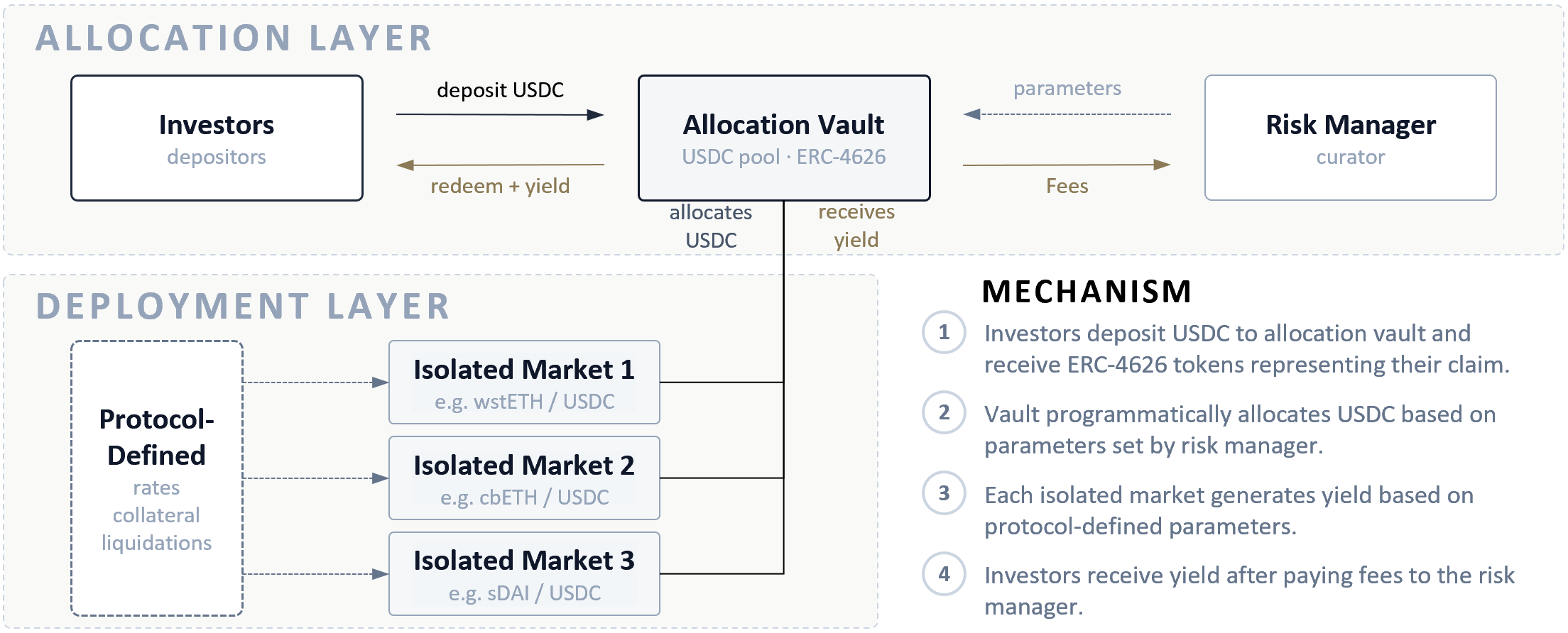
Choose between zero-knowledge proofs, selective disclosure, or verifiable credentials. The protocol should allow users to prove they meet criteria (such as age or accreditation) without revealing the underlying data. Evaluate the computational cost and user experience of each option.
Develop or integrate a secure storage layer for encrypted identity documents. The vault must support user-controlled access permissions and seamless integration with your existing onboarding flows. Ensure the infrastructure can handle high volumes of verification requests without becoming a bottleneck.
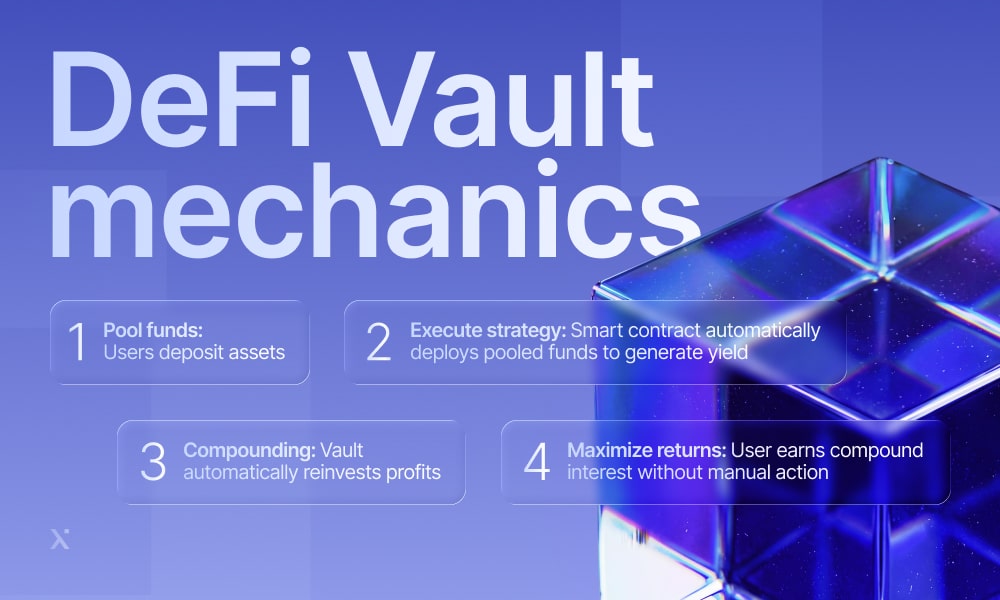
Position the vault as a competitive advantage that reduces friction for compliant users. Highlight the privacy benefits and the elimination of redundant KYC checks across platforms. Develop partnerships with identity providers to expand the utility of the credentials stored in the vault.


As an Amazon Associate, we may earn from qualifying purchases.
Identify Weak Claims and Mistakes in Decentralized KYC
Decentralized KYC promises user sovereignty, but the infrastructure is still maturing. Many platforms market "privacy" without explaining how they handle data retention or regulatory audits. Before integrating a vault, you must verify the actual mechanism behind the zero-knowledge proofs and who holds the decryption keys.
Common Pitfalls to Avoid
1. The "Self-Sovereign" Myth Many solutions claim full user control while secretly storing backups in centralized clouds. If the provider holds the recovery keys, you do not have self-sovereign identity. Check the documentation for "key recovery" clauses. If the platform can reset your vault, it is not decentralized.
2. Vague Compliance Standards Some tools claim GDPR compliance but fail to specify how they handle the "right to be forgotten" when data is hashed on-chain. Verify that the verifier can accept proofs without storing the underlying PII. Look for explicit mentions of ZK-SNARKs or STARKs, not just generic "encryption."
3. Ignoring Interoperability A vault is useless if it only works with one dApp. Ensure the credential format follows W3C Verifiable Credentials standards. If the protocol is proprietary, you risk vendor lock-in. Test the export functionality before committing to a provider.
Proof Checks
- Audit Reports: Require public, third-party audits of the smart contracts. GitHub repos alone are not enough.
- Data Flow Diagrams: Request clear diagrams showing where data is stored, processed, and deleted.
- Regulatory Alignment: Confirm the provider has legal counsel familiar with MiCA (Markets in Crypto-Assets Regulation) if operating in the EU.
Decentralized KYC is not a silver bullet. It shifts trust from institutions to code, but the code must be transparent and auditable. Choose providers who prioritize verifiable architecture over marketing slogans.
Decentralized kyc vaults: what to check next
Decentralized KYC vaults solve the fragmentation problem by creating a single, verified identity layer that multiple platforms can trust without storing raw data. This architecture shifts control from centralized databases to user-held credentials, reducing liability for institutions while streamlining onboarding.
How does a KYC vault prevent data breaches?
Instead of storing your passport or selfie on a company server, a vault stores a zero-knowledge proof. This cryptographic snippet proves you are over 18 or a resident of a specific country without revealing the underlying document. If a platform is hacked, attackers only find encrypted proofs, not usable personal information.
Can I use the same KYC credential across different exchanges?
Yes. Once your identity is verified by a trusted issuer and stored in your vault, you can grant temporary access to multiple platforms. This "verify once, use everywhere" model eliminates the need to repeat the same document uploads for every new service, saving time and reducing friction.
What happens if I lose access to my vault?
Since the vault is user-controlled, losing your private keys can mean losing access to your verified status. Most robust systems offer social recovery or multi-sig options to restore access without compromising security. Always back up your recovery phrases securely, as there is no central help desk to reset your identity.
Are decentralized KYC vaults legally compliant?
They meet regulatory requirements by allowing institutions to audit proofs rather than raw data. Regulators can verify that the issuer is authorized and that the proof is valid, ensuring compliance with GDPR and AML laws. This approach satisfies "data minimization" principles by limiting what third parties actually hold.
No comments yet. Be the first to share your thoughts!