Decentralized KYC vault limits: what to account for
Decentralized KYC (dKYC) vaults offer a way to verify identity without storing raw PII on-chain, but they introduce specific constraints around data availability, oracle latency, and regulatory compliance. Understanding these limits is critical before integrating any protocol.
The core tradeoff is privacy versus verifiability. While zero-knowledge proofs (ZKPs) can prove a credential is valid without revealing the underlying data, the setup complexity and gas costs often outweigh benefits for low-stakes applications. For high-value DeFi interactions, however, the reduction in regulatory risk justifies the overhead.
When evaluating a dKYC vault, focus on the attestation source. Is the identity provider regulated? Is the proof system updatable if credentials expire? These factors determine the long-term viability of your compliance strategy.
| Factor | What to check | Why it matters |
|---|---|---|
| Data Privacy | Does the vault store raw data or only ZK proofs? | |
| Attestation Source | Is the identity provider regulated and reputable? | Unregulated providers may issue fraudulent credentials or shut down unexpectedly. |
| Update Mechanism | How often must proofs be refreshed? | Static proofs expire quickly; frequent updates increase gas costs and user friction. |
Choosing the right dKYC integration
Selecting a dKYC solution requires balancing technical feasibility with user experience. Not all protocols support the same proof systems or identity standards, so compatibility with your existing stack is a primary constraint.
Start by identifying the minimum viable verification needed. Do you need full KYC (Know Your Customer) or just a proof of humanity (PoH)? The latter is cheaper and faster but offers less regulatory protection. For most DeFi applications, a hybrid approach—using PoH for basic access and KYC for high-value transactions—provides the best balance.
Consider the gas costs associated with proof verification. Some ZK circuits are expensive to verify on Ethereum L1, making Layer 2 solutions like zkSync or StarkNet more attractive for high-frequency use cases. Always test the verification cost in your target environment before committing to a provider.

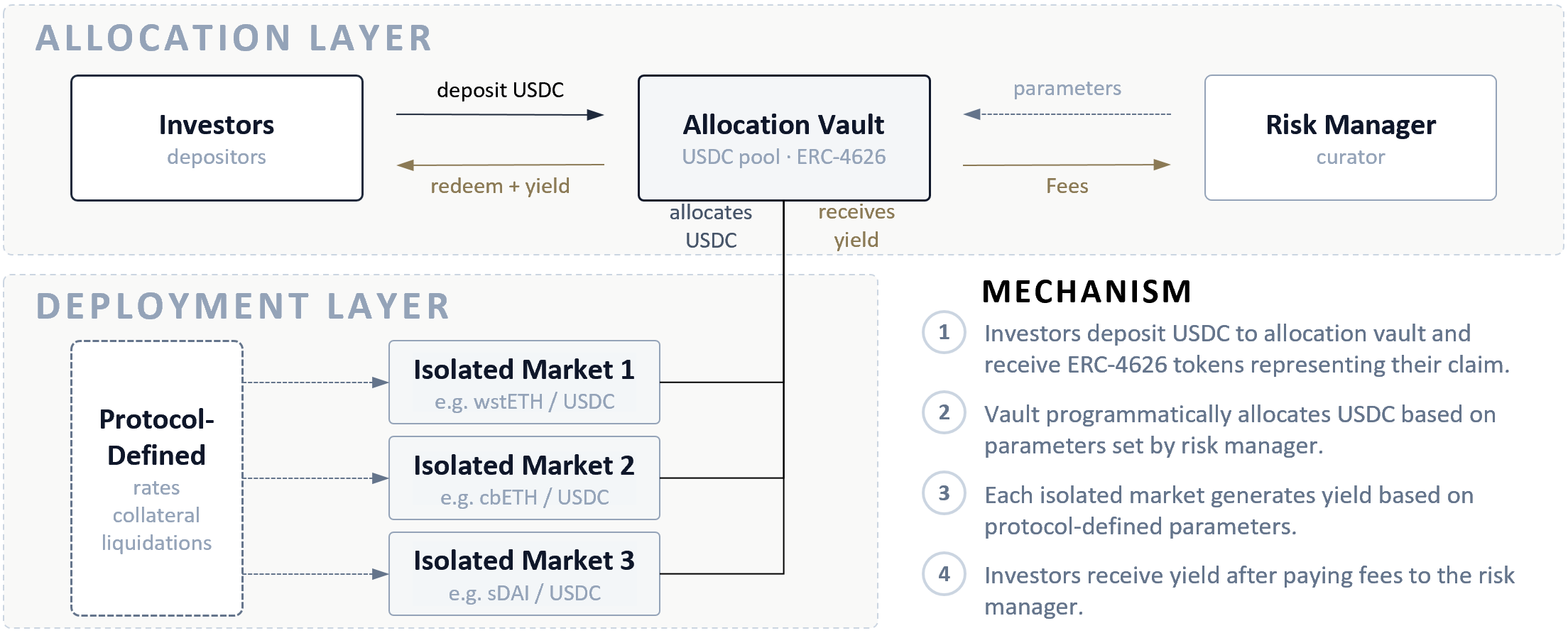
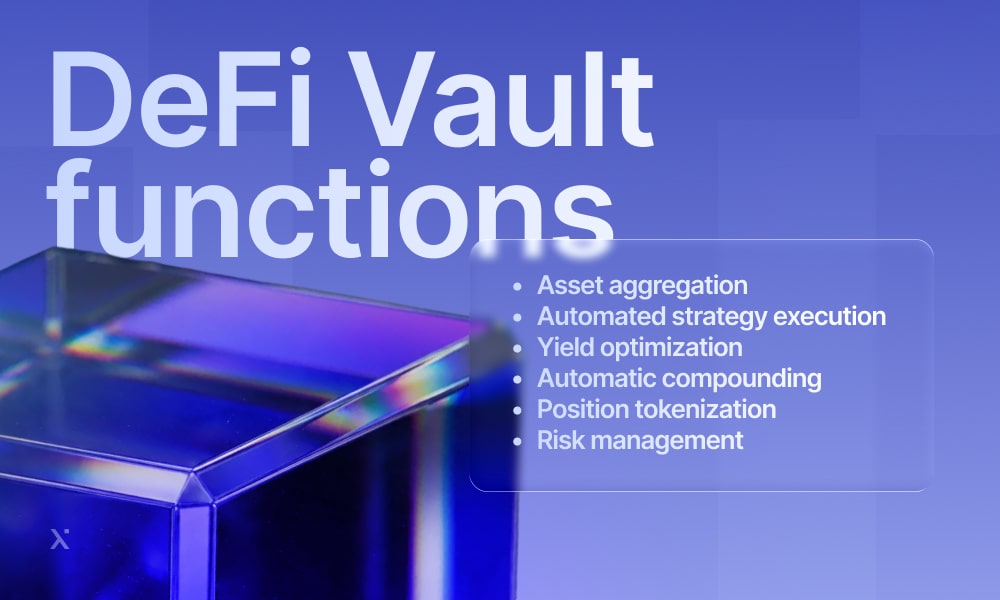
Common pitfalls in dKYC implementation
Many projects fail to account for the dynamic nature of identity. Credentials expire, regulations change, and identity providers go offline. A static integration will quickly become obsolete.
Avoid hardcoding identity provider addresses. Instead, use a registry or oracle network that can update provider status dynamically. This ensures that if a provider is compromised or shut down, your application can switch to a backup without requiring a hard fork.
Another common mistake is ignoring the user experience. Generating ZK proofs can be computationally intensive and slow. Offload this work to a trusted executor or use client-side libraries optimized for mobile devices. If the verification process takes more than a few seconds, users will abandon the flow.
What to check next
Helpful gear
Use these product recommendations as a starting point, then choose the size, material, and price point that fit how you actually use the gear.



As an Amazon Associate, we may earn from qualifying purchases.
No comments yet. Be the first to share your thoughts!