Decentralized KYC vault market limits to account for
The decentralized KYC vaults market faces a structural bottleneck: the high cost of integrating verifiable credentials into legacy financial infrastructure. While the broader digital vault market is projected to reach USD 1,140 billion in 2026, the specific segment for privacy-preserving identity verification remains fragmented [src-serp-1]. This disconnect stems from regulatory uncertainty and the technical overhead of maintaining zero-knowledge proof systems across disparate jurisdictions.
Regulatory compliance creates the most significant friction point. Financial institutions must navigate conflicting standards between the EU’s MiCA framework and varying U.S. state-level regulations. Unlike traditional centralized databases, decentralized vaults require constant proof of compliance without revealing underlying user data. This complexity slows adoption, as banks prioritize systems that offer immediate, unambiguous audit trails over the theoretical privacy benefits of distributed ledgers.
Technical interoperability further limits market expansion. Most decentralized identity protocols lack standardized APIs for seamless integration with existing Know Your Customer (KYC) workflows. Institutions are hesitant to invest in proprietary vault solutions that cannot easily communicate with other platforms. This siloed approach prevents the network effects necessary to drive down costs and increase liquidity in the identity verification market.
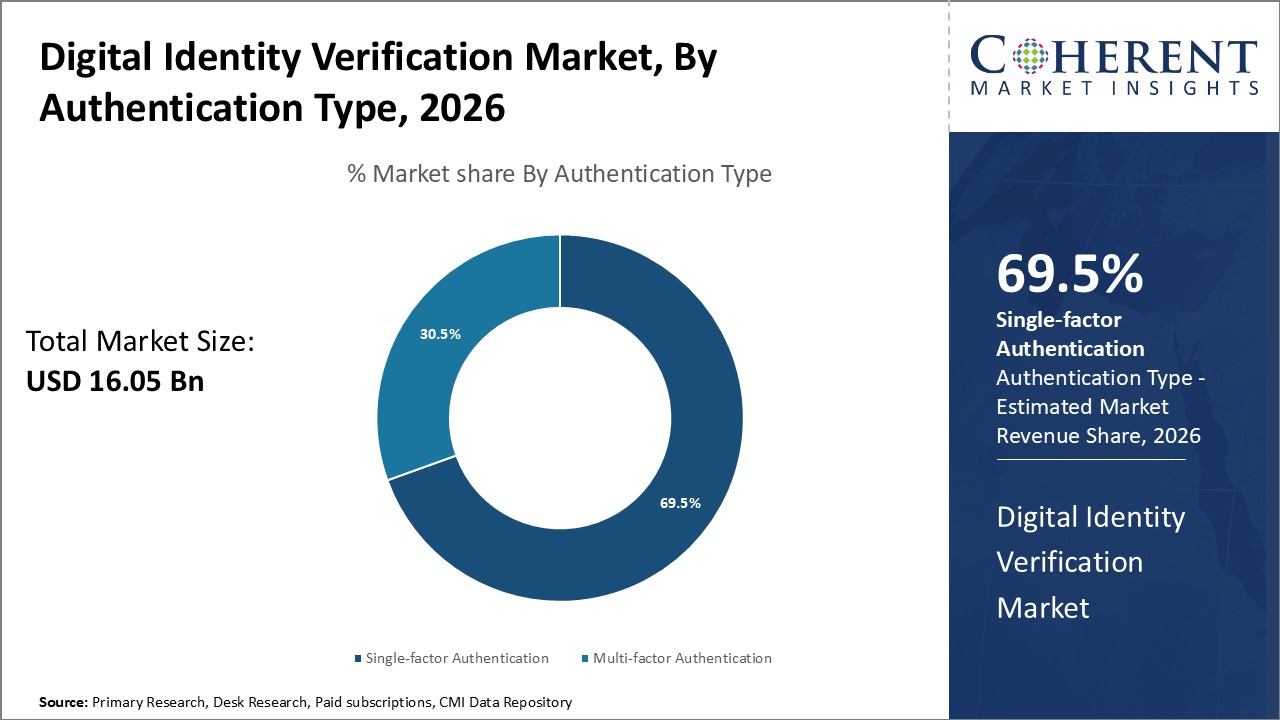
The identity verification sector is valued at USD 17.20 billion in 2026, but growth is uneven [src-serp-2]. Success depends on bridging the gap between cryptographic innovation and practical banking needs. Until standardized frameworks emerge, the market will remain constrained by integration hurdles rather than technological limitations.
Decentralized KYC vaults market choices that change the plan
Building a decentralized KYC infrastructure requires balancing privacy, compliance, and user experience. There is no single architecture that perfectly serves all stakeholders. You must evaluate specific tradeoffs based on your regulatory jurisdiction and target user base.
The market is split between on-chain verification models and off-chain data storage solutions. Each approach carries distinct risks regarding data sovereignty and auditability. Understanding these differences is critical before selecting a provider or building internal tools.
Privacy vs. Auditability
Decentralized identity systems aim to minimize data exposure. However, regulators require proof of identity without revealing the underlying documents. This creates a tension between zero-knowledge proofs and traditional KYC checks. Systems that rely heavily on on-chain data may struggle with GDPR compliance due to the immutability of blockchains.
User Friction vs. Security
Self-sovereign identity (SSI) wallets offer high security but introduce significant user friction. Users must manage private keys and understand complex verification flows. Conversely, centralized KYC providers offer seamless onboarding but create single points of failure. The best vaults often use hybrid models to reduce drop-off rates while maintaining security.
Cost vs. Scalability
On-chain verification is expensive due to gas fees and computation costs. Off-chain storage is cheaper but requires trust in third-party data processors. As the identity verification market grows, projected to reach USD 501.44 billion by 2034, economies of scale may reduce these costs. However, current implementations often struggle to scale efficiently without compromising speed.
| Factor | On-Chain Verification | Off-Chain Storage | Hybrid Model |
|---|---|---|---|
| Data Privacy | Low (public ledger) | High (encrypted) | Medium |
| Regulatory Compliance | Difficult (GDPR) | Easy | Manageable |
| User Friction | High (wallets) | Low | Medium |
| Cost | High (gas fees) | Low | Medium |
| Auditability | High | Low | High |
Choose the next step
Decentralized KYC Vaults Market Research works best as a clear sequence: define the constraint, compare the realistic options, test the tradeoff, and choose the path with the fewest hidden costs. That order keeps the advice usable instead of decorative. After each step, pause long enough to check whether the recommendation still fits the reader's actual situation. If it depends on perfect timing, unusual access, or a best-case budget, include a simpler fallback.
Spotting weak options in the decentralized KYC market
The decentralized identity space is expanding rapidly, with market projections reaching $501 billion by 2034. However, this growth attracts vendors making misleading claims about privacy and compliance. You can avoid costly integration errors by checking three specific areas before committing to a vault provider.
Verify the compliance layer
Many platforms claim to be "compliant" without specifying which regulations they support. A robust vault must explicitly support GDPR, CCPA, and relevant AML frameworks. Look for proof of third-party audits rather than self-declared standards. If a vendor cannot provide a clear mapping of their data handling to these regulations, treat it as a red flag.
Check the data minimization claims
True decentralized KYC relies on zero-knowledge proofs to share only necessary data. Some vendors store excessive personal information, defeating the purpose of privacy-first compliance. Ask for a technical whitepaper explaining how they handle data retention. If they cannot demonstrate that they store only hashed or minimal data, they are likely selling a traditional database with a decentralized front end.
Assess the interoperability
A vault that only works with one specific blockchain or application is a weak option. The best solutions support multiple identity standards like W3C Verifiable Credentials. This flexibility ensures you are not locked into a single ecosystem. Verify that the platform supports cross-chain verification if your business operates across different networks.
Review the cost structure
Market size estimates for digital vaults are growing, but pricing models vary wildly. Some vendors charge per verification, while others use subscription models. Be wary of hidden fees for data storage or API calls. Compare the total cost of ownership against traditional KYC providers to ensure the decentralized approach actually saves money in the long run.
Decentralized KYC vault market research: what to check next
Before committing to a decentralized identity infrastructure, operators and compliance teams need to resolve specific friction points around data sovereignty, regulatory acceptance, and technical integration. The following answers address the practical objections that typically stall adoption in both DeFi and traditional finance sectors.
These distinctions define the current state of the decentralized identity market, valued at $17.2 billion in 2026 and projected to grow significantly as regulatory frameworks mature. Understanding these mechanics is essential for building infrastructure that satisfies both privacy advocates and compliance officers.
No comments yet. Be the first to share your thoughts!