What decentralized KYC vaults replace
Traditional Know Your Customer (KYC) processes rely on centralized databases that act as honeypots for attackers. When a single entity stores millions of passports, selfies, and biometric records, a breach exposes everyone. This centralization creates a single point of failure that regulatory bodies and users alike are increasingly wary of. Decentralized KYC vaults replace this model by shifting control back to the individual.
In this new architecture, identity data is split across user-controlled credentials and zero-knowledge proofs (ZKPs). Instead of sending raw documents to a verifier, users hold their verifiable credentials in a digital wallet. They then generate cryptographic proofs that confirm specific attributes—such as "over 18" or "residing in the EU"—without revealing the underlying personal data. This approach significantly reduces the risk of mass data theft, as the sensitive information never leaves the user's device.
The shift is not merely technical; it is a fundamental change in how trust is established. Verifiers no longer need to trust the storage provider; they only need to trust the cryptographic proof. This aligns with privacy-by-design principles and helps organizations comply with data minimization requirements under regulations like GDPR. By moving from centralized honeypots to user-controlled vaults, the industry can build a more resilient and private verification infrastructure.
Core infrastructure layers explained
A Decentralized KYC Vault guide must first address the technical stack that makes user-controlled verification possible. The system relies on three distinct layers: Verifiable Credentials (VCs) for data issuance, Zero-Knowledge Proofs (ZKPs) for privacy-preserving validation, and Oracle bridges to connect on-chain compliance with off-chain reality.
Verifiable Credentials (VCs)
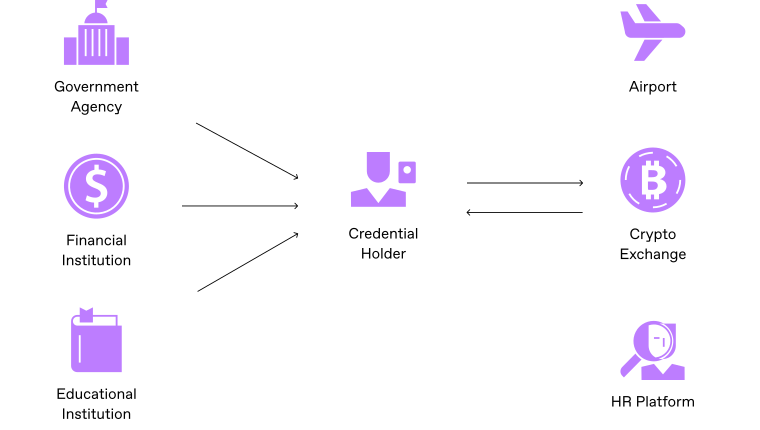
In this model, identity data does not live in a central database. Instead, it is issued as a Verifiable Credential—a tamper-proof digital record signed by a trusted authority (such as a government or bank) and held by the user.
When a service requires verification, the user presents the VC. The vault checks the cryptographic signature to confirm authenticity without needing to contact the issuer every time. This shifts control from the institution to the individual, ensuring that personal data remains portable and private.
Zero-Knowledge Proofs (ZKPs)
The core innovation of a Decentralized KYC Vault guide is the use of Zero-Knowledge Proofs. ZKPs allow a user to prove they meet specific criteria without revealing the underlying data. For example, you can prove you are over 18 without disclosing your exact birthdate or name.
This technology eliminates the need to store sensitive personally identifiable information (PII) on-chain. It ensures that even if the blockchain is public, the actual identity details remain hidden, satisfying both regulatory requirements and user privacy concerns.
Oracle Bridges
Blockchains are isolated systems; they cannot natively verify off-chain identity events. Oracle bridges solve this by acting as trusted intermediaries that feed verified compliance data onto the chain.
When a user completes KYC off-chain, the oracle records a "proof of compliance" on the blockchain. This allows decentralized applications (dApps) to instantly verify a user’s status without needing to process the raw identity documents themselves, creating a seamless link between traditional finance and Web3.
| Layer | Traditional KYC | Decentralized Vault |
|---|---|---|
| Data Storage | Centralized database (single point of failure) | User-held credentials (self-sovereign) |
| Verification | Manual review or API calls to issuer | Cryptographic signature validation |
| Data Exposure | Full PII shared with verifier | Zero-knowledge proofs (data hidden) |
Navigating AML and KYC Compliance
Decentralized KYC Vaults solve the central compliance problem by separating identity data from transactional activity. Traditional financial infrastructure requires centralized storage of Personally Identifiable Information (PII), creating a single point of failure for regulators and hackers. Vaults shift this burden by storing encrypted credentials off-chain while maintaining an on-chain proof of compliance. This architecture allows protocols to verify that a user is KYC-compliant without ever seeing their name, address, or passport number.
The mechanism relies on zero-knowledge proofs or similar cryptographic methods. When a user submits documents to a trusted verifier, the system generates a cryptographic token confirming their status. This token is stored in the vault. DeFi protocols interact with the vault to check the token's validity, not the underlying data. This approach satisfies Anti-Money Laundering (AML) directives by ensuring that only verified participants can access certain financial services, while preserving the privacy principles that define decentralized finance.
Regulatory bodies are increasingly scrutinizing DeFi protocols for potential misuse in illicit finance. By integrating vaults, projects demonstrate a concrete commitment to compliance without sacrificing user sovereignty. This balance is critical for institutional adoption and long-term viability. The vault acts as a gatekeeper, ensuring that the protocol remains within legal boundaries while the user retains control over their private keys and personal information.
Market adoption and tokenomics
The shift toward a Decentralized KYC Vaults guide framework is no longer just about regulatory compliance; it is becoming a fundamental infrastructure requirement for institutional participation in DeFi. As traditional finance entities seek entry into blockchain ecosystems, the friction of repeated identity verification becomes a bottleneck. Decentralized KYC vaults solve this by allowing users to verify their identity once and share a zero-knowledge proof across multiple protocols, reducing costs and enhancing privacy.
Market adoption is currently driven by the tension between regulatory pressure and the ethos of decentralization. Protocols that integrate these vaults can offer a "compliance-first" experience without sacrificing the user experience of non-custodial finance. This balance is critical. As noted in industry overviews, decentralized KYC solutions provide a novel method of establishing client identity while protecting sensitive information, effectively striking a balance between compliance and decentralization.
To visualize the broader market sentiment influencing these infrastructure projects, we can look at the performance of identity and DeFi-focused tokens. These assets often move in tandem with broader regulatory news cycles, reflecting investor confidence in the viability of compliant DeFi models.
The economic incentives for adopting this infrastructure are clear. For users, the value proposition lies in reduced friction and data sovereignty. They retain ownership of their credentials, storing them in a personal vault rather than distributing copies to every service they use. For protocols, the benefit is access to a larger, compliant user base without bearing the full cost of KYC infrastructure. This creates a network effect where the utility of the vault increases with the number of integrated protocols.
However, the market is still nascent. Key players are competing to establish standards for data interoperability and legal enforceability. The success of the Decentralized KYC Vaults guide approach will depend on whether major DeFi protocols adopt these standards as a default, creating a seamless layer of trust that bridges the gap between legacy finance and decentralized innovation.
Implementation checklist for builders
Building a Decentralized KYC Vaults solution requires more than just integrating a smart contract; it demands a rigorous architecture that balances user privacy with regulatory compliance. For developers and compliance officers, the path from concept to deployment involves strict adherence to security standards and legal frameworks. This checklist outlines the essential steps to ensure your vault solution is both robust and legally defensible.
Start by selecting the appropriate zero-knowledge proof (ZKP) system. Whether using zk-SNARKs or zk-STARKs, the choice impacts gas costs, verification speed, and the complexity of the circuit. Ensure the proof system supports the specific claims you need to verify, such as age over 18 or residency in a specific jurisdiction, without revealing the underlying identity data.
Choose a decentralized identifier (DID) standard that aligns with your target market and interoperability needs. W3C DIDs and Verifiable Credentials (VCs) are the current industry standards. Ensure your vault can issue, store, and verify VCs from trusted issuers. This step is critical for maintaining a unified identity layer across different DeFi protocols and platforms.
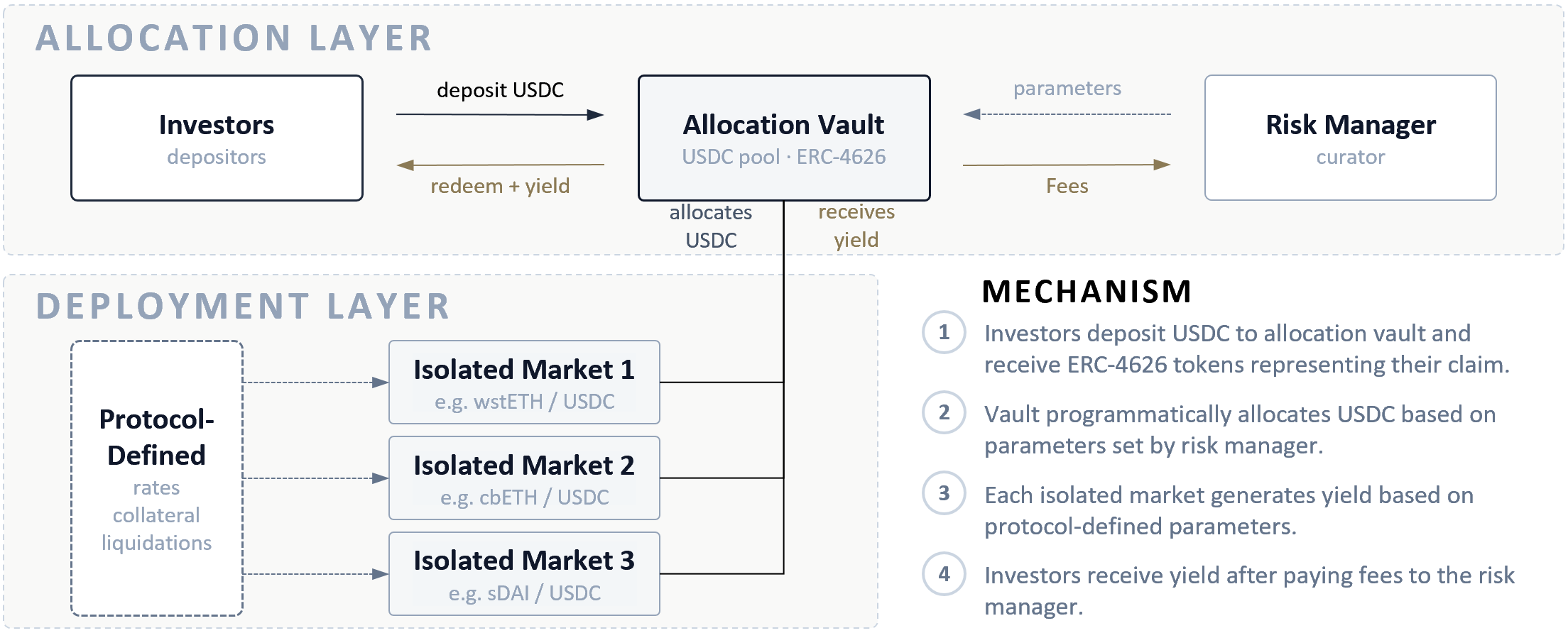
Design the on-chain logic to store only the minimal necessary data, such as the hash of the credential or the proof itself, rather than raw identity information. Implement strict access control lists (ACLs) to ensure that only authorized smart contracts or users can access the verification status. This minimizes the attack surface and reduces the risk of data leakage.
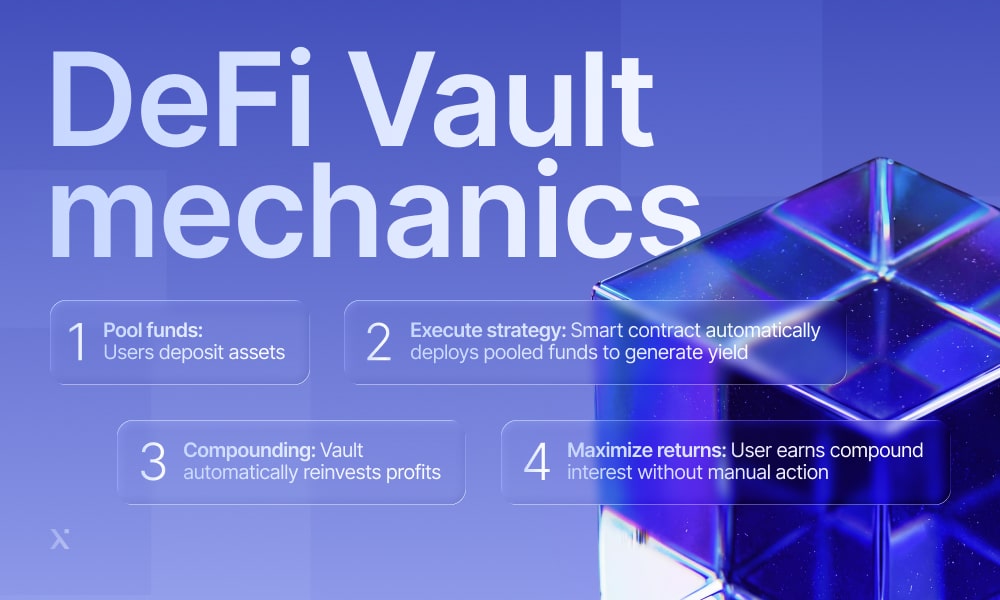
Before mainnet deployment, engage reputable security firms to audit both the smart contracts and the off-chain verification logic. Focus on potential vulnerabilities in the ZKP circuit generation and the oracle mechanisms that feed data to the chain. Audits are not optional; they are a prerequisite for any high-stakes financial infrastructure.
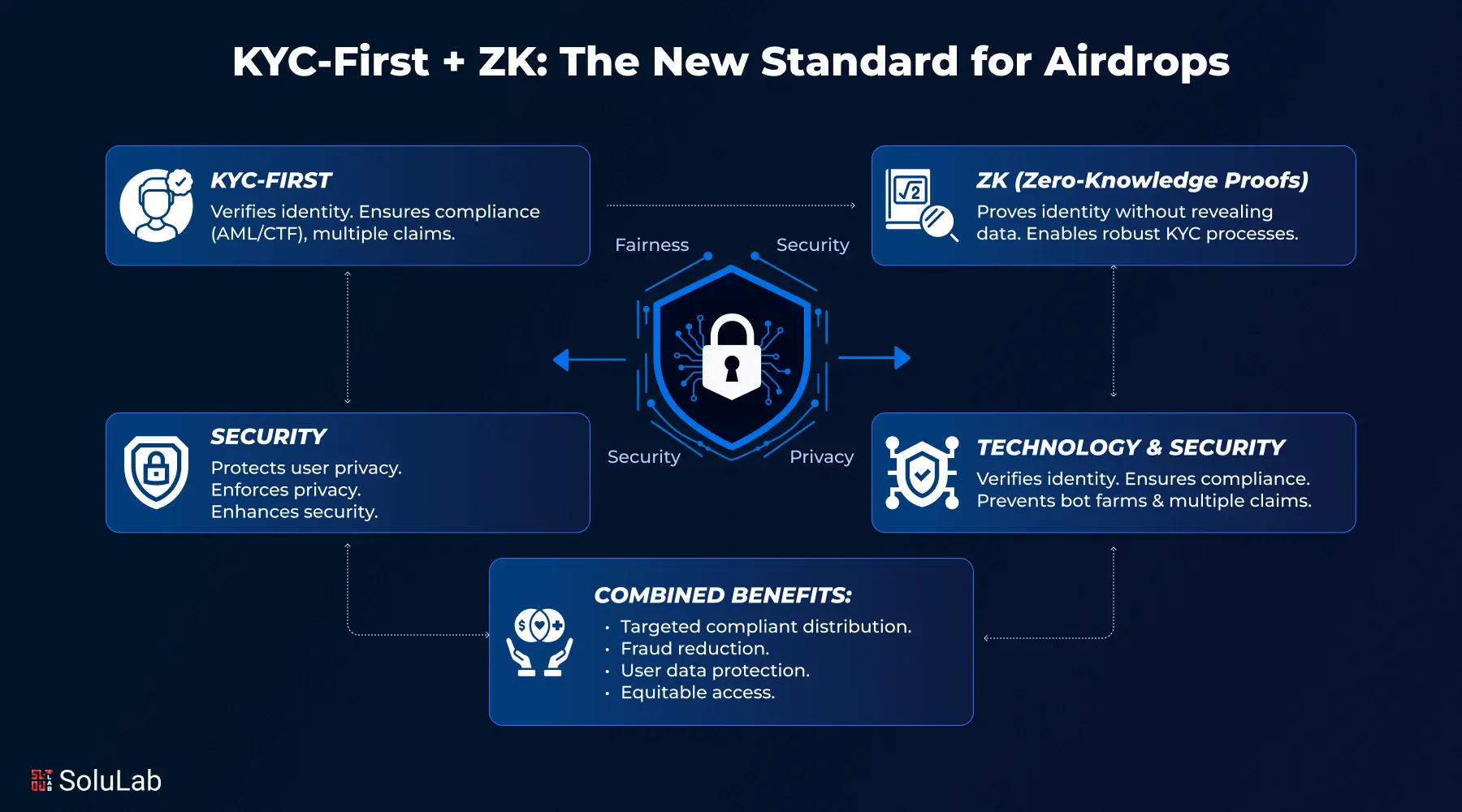
Work with legal experts to ensure your Decentralized KYC Vaults solution complies with relevant regulations such as GDPR, CCPA, and local AML laws. Define clear data retention policies and user rights regarding data deletion or modification. Document these processes thoroughly to demonstrate due diligence to regulators and potential partners.
Following this checklist helps mitigate technical risks and ensures that your infrastructure meets the growing demand for privacy-preserving identity solutions in the Web3 space.
No comments yet. Be the first to share your thoughts!