How decentralized KYC vaults work
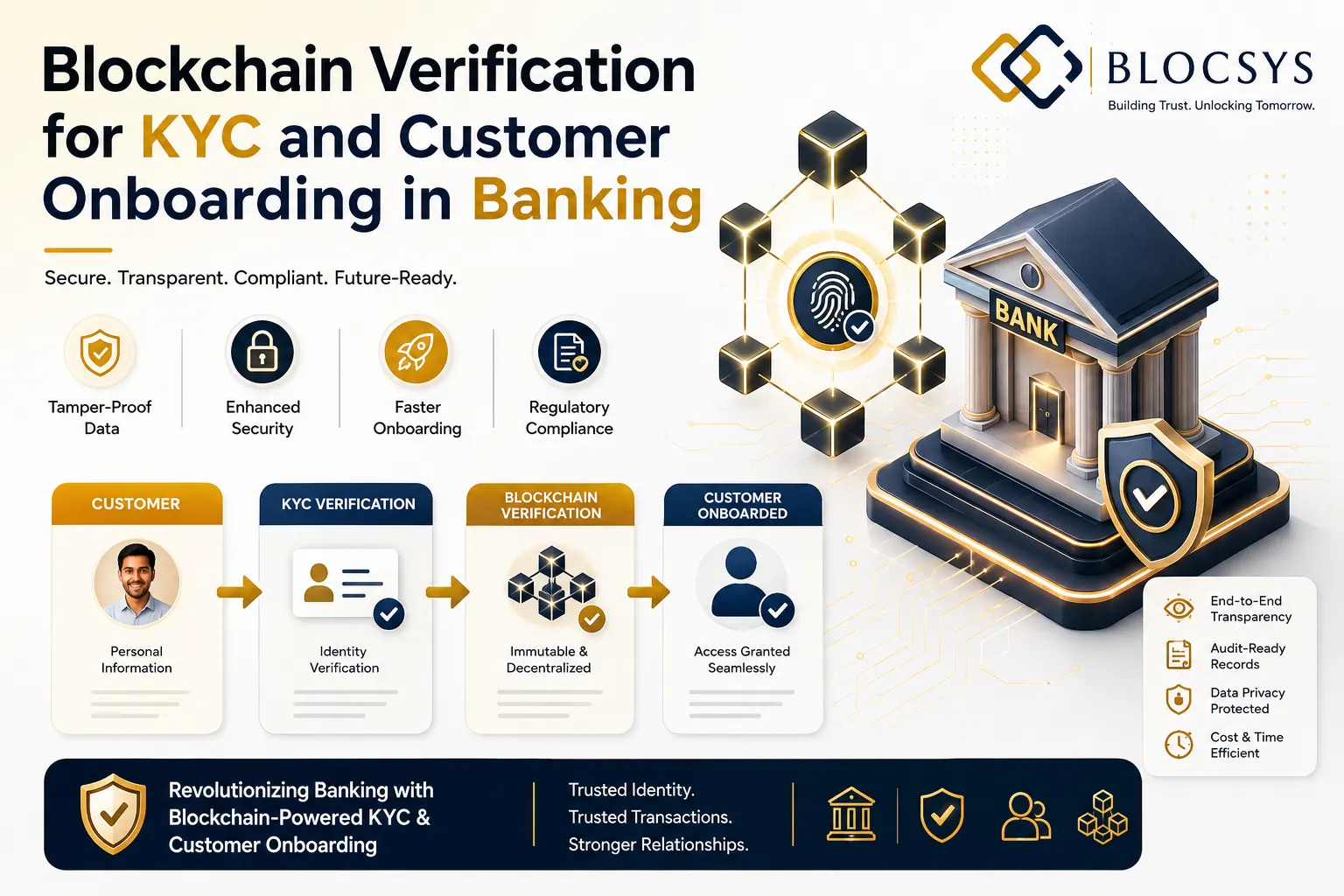
A decentralized KYC vault functions as a privacy-preserving storage layer that sits between the user and the verifier. Instead of sending raw personal data or documents directly to every institution, users store their verified credentials in a secure, self-sovereign vault. When an institution needs to verify identity, it requests a proof from the vault rather than the underlying data itself. This architecture replaces the traditional model of raw data sharing with cryptographic credential verification, significantly reducing the attack surface for data breaches.
This approach allows users to own their credentials and reuse their verified identity across multiple platforms. As noted by Zyphe, this system enables institutions to verify users with AI agents on a substrate where customers retain control. The vault acts as an intermediary, ensuring that sensitive information like passports or facial scans never leaves the user’s device unless explicitly authorized for a specific, limited purpose. This shift from centralized databases to user-held vaults is fundamental to modern privacy-preserving compliance.
The result is a single, golden copy of each client’s data that remains up-to-date across the network. Whenever a client is onboarded or their data is updated at any participating institution, the vault syncs these changes, eradicating duplicates and ensuring consistency. This synchronization capability is critical for high-stakes legal and financial sectors where regulatory accuracy is non-negotiable. By decentralizing the storage and verification process, institutions can maintain strict compliance while respecting user privacy.
Market landscape and key infrastructure providers
The decentralized KYC vaults guide reveals a market in transition. Traditional identity giants like Entrust and GBG still hold significant market share, but their centralized models struggle with data silos and high maintenance costs. Meanwhile, Web3-native infrastructure is gaining traction by offering self-sovereign identity solutions that prioritize user control and interoperability.
Traditional providers focus on aggregation, creating "golden copies" of client data. While efficient for single institutions, this approach fragments data across the industry. Decentralized KYC vaults solve this by allowing a single, verified identity to be shared across multiple platforms without repeated verification. This reduces friction for users and lowers compliance overhead for institutions.
Traditional vs. decentralized infrastructure
The shift from centralized to decentralized KYC is not just technical; it is structural. Below is a comparison of how traditional KYC providers stack up against decentralized vault infrastructure on key operational metrics.
| Metric | Traditional KYC | Decentralized Vault |
|---|---|---|
| Data Ownership | Centralized provider | User-controlled |
| Verification Speed | High (manual review) | Instant (automated) |
| Integration Complexity | High (API heavy) | Medium (DID standard) |
| Data Redundancy | High (multiple copies) | Low (single source) |
AI verification agents
The next layer of infrastructure involves AI verification agents. These agents automate the initial screening process, reducing the need for human intervention in low-risk cases. By integrating with decentralized identifiers (DIDs), these agents can verify claims without exposing underlying personal data.
This approach aligns with the growing demand for privacy-preserving compliance. Institutions can confirm a user meets regulatory requirements without storing sensitive documents, reducing liability and data breach risks.
Market momentum
The decentralized identity market is growing as institutions seek to reduce compliance costs. The following widget provides a live view of the broader crypto market, which often correlates with adoption trends in decentralized identity solutions.
Compliance strategies for regulated markets
Decentralized KYC vaults function as privacy-preserving storage layers that sit between the user and the verifier. Instead of sending raw personal data to every institution, users store a "golden copy" of their credentials in a secure vault. This architecture allows institutions to sync data and documents, guaranteeing a single, up-to-date record of each client while eradicating duplicates across the network.
This model is particularly effective for meeting high-stakes regulatory requirements like GDPR and AML. By using zero-knowledge proofs and selective disclosure, a vault can prove a user meets specific criteria—such as being over 18 or residing in a sanctioned-free zone—without revealing the underlying data. This ensures that sensitive information remains under the user's control while satisfying the strict audit trails required by financial regulators.
The result is a system where compliance is not a barrier to entry, but a streamlined, privacy-first utility. Institutions can verify identity and risk factors instantly, knowing the data originates from a trusted, decentralized source rather than a fragmented, siloed database.
Integrating decentralized identity frameworks
Decentralized KYC Vaults works best as a sequence, not a scramble through settings. Do the minimum first: confirm compatibility, connect the core hardware, update only when needed, and test the result before adding optional features. That order keeps the task understandable and makes failures easier to isolate. After each step, pause long enough for the interface to finish syncing. Many setup problems are timing problems disguised as configuration problems. If the same step fails twice, record the exact error, restart the smallest affected piece, and retry before moving deeper.
Tracking market signals and provider performance
Monitoring the decentralized KYC vaults landscape requires looking beyond press releases. You need to track both the technical stability of identity providers and the broader market sentiment surrounding Web3 compliance infrastructure. This section outlines how to interpret live data to assess provider health and market trajectory.
Technical chart analysis
Market volatility in decentralized identity tokens often correlates with regulatory announcements or major protocol upgrades. Use technical charts to visualize trends in key Web3 identity tokens or indices. This helps distinguish between short-term noise and sustained shifts in investor confidence regarding decentralized KYC solutions.
Provider performance metrics
Beyond token prices, evaluate providers on uptime, verification speed, and compliance audit results. Look for official source reports from major KYC providers like Sumsub or Veriff to gauge their integration success rates. A provider’s technical resilience is just as critical as their market valuation when selecting a decentralized KYC vault partner.
Frequently asked questions about decentralized KYC
What is decentralized KYC?
Decentralized KYC enables institutions to sync data and documents, guaranteeing a single, golden copy of each client and associated natural persons. Whenever a client is onboarded or their data is updated at any institution within the network, this ensures data is kept up-to-date while eradicating duplicates. By sharing a verified identity state rather than raw documents, the system reduces redundancy across the financial ecosystem.
What are the top KYC companies?
Leading KYC service providers include GBG, Sumsub, Veriff, Trulioo, Entrust, Jumio, Socure, LexisNexis Risk Solutions, and AU10TIX. The best option for your business depends on factors such as your global coverage needs, integration requirements, pricing, and workflow flexibility aligned with your business needs. Most of these providers now offer APIs that support decentralized identity standards.
How does decentralized KYC differ from traditional KYC?
Traditional KYC requires users to submit documents to every new service provider, creating siloed data and repeated friction. Decentralized KYC allows a user to verify their identity once with a trusted issuer and then share a cryptographic proof of that verification with subsequent services. This approach minimizes data exposure and accelerates onboarding while maintaining regulatory compliance.
Is decentralized KYC compliant with regulations?
Yes, when implemented correctly, decentralized KYC meets regulatory requirements such as GDPR and AML directives. The key is that the user retains control over their data, and institutions only access the specific attributes necessary for compliance. This "zero-knowledge" or selective disclosure model aligns with the principle of data minimization required by modern privacy laws.
Helpful gear
Use these product recommendations as a starting point, then choose the size, material, and price point that fit how you actually use the gear.



As an Amazon Associate, we may earn from qualifying purchases.
No comments yet. Be the first to share your thoughts!