How decentralized KYC vaults work
Decentralized KYC vaults function as privacy-preserving storage layers that sit between the user and the verifier. Instead of sending raw personal data to every institution, users store credentials locally or in encrypted shards. This architecture shifts the power dynamic, ensuring that customers own their credentials rather than surrendering them to centralized databases prone to breaches.
The core mechanism separates raw identity data from verification results. When a bank or service needs to verify your age or identity, you do not upload your passport. Instead, the vault generates a zero-knowledge proof—a cryptographic signal that confirms the data is valid without revealing the underlying information. This allows verifiers to sync data and guarantee a single, golden copy of each client while eradicating duplicates across the network.
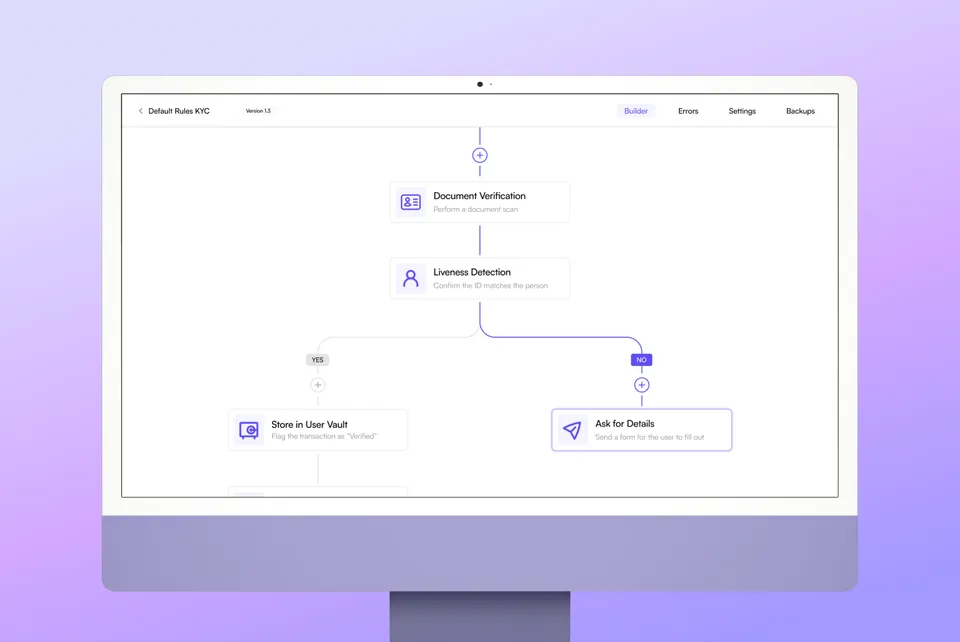
This separation is critical for high-stakes compliance. By keeping the raw data off the verifier's servers, the attack surface for data leaks shrinks significantly. The verifier receives only the necessary attestation—such as "over 18" or "identity confirmed"—rather than the full document. This approach enables institutions to onboard clients efficiently while maintaining strict regulatory standards and user privacy.
Market landscape and key infrastructure providers
Decentralized KYC Vaults works best as a clear sequence: define the constraint, compare the realistic options, test the tradeoff, and choose the path with the fewest hidden costs. That order keeps the advice usable instead of decorative. After each step, pause long enough to check whether the recommendation still fits the reader's actual situation. If it depends on perfect timing, unusual access, or a best-case budget, include a simpler fallback.
| Factor | What to check | Why it matters |
|---|---|---|
| Fit | Match the option to the primary use case. | A good deal still fails if it does not fit the job. |
| Condition | Verify age, wear, and service history. | Hidden condition issues erase upfront savings. |
| Cost | Compare purchase price with likely upkeep. | The cheapest option is not always the lowest-cost option. |
Compliance strategies for regulated markets
Decentralized KYC Vaults works best as a clear sequence: define the constraint, compare the realistic options, test the tradeoff, and choose the path with the fewest hidden costs. That order keeps the advice usable instead of decorative. After each step, pause long enough to check whether the recommendation still fits the reader's actual situation. If it depends on perfect timing, unusual access, or a best-case budget, include a simpler fallback.
The simplest way to use this section is to write down the real constraint first, compare each option against it, and choose the path that still works outside ideal conditions.
Integrating decentralized identity frameworks
Decentralized KYC Vaults works best as a clear sequence: define the constraint, compare the realistic options, test the tradeoff, and choose the path with the fewest hidden costs. That order keeps the advice usable instead of decorative. After each step, pause long enough to check whether the recommendation still fits the reader's actual situation. If it depends on perfect timing, unusual access, or a best-case budget, include a simpler fallback.
Market trends and future outlook
The decentralized KYC vaults landscape is shifting from experimental pilots to structured infrastructure. The most significant driver is the integration of AI-powered verification. Institutions are no longer just storing static documents; they are using machine learning to validate credentials in real time, reducing manual review loads while maintaining compliance standards.
Demand for reusable identity credentials is accelerating across platforms. Users increasingly expect a "golden copy" of their identity data that can be shared with multiple institutions without re-submission. This reduces friction for onboarding and ensures that data remains up-to-date across the network, eradicating duplicate records.
As the market matures, technical infrastructure must support these dynamic flows. The volatility and liquidity of the underlying assets used in these systems remain critical metrics for risk assessment.
Frequently asked: what to check next
What is decentralized KYC?
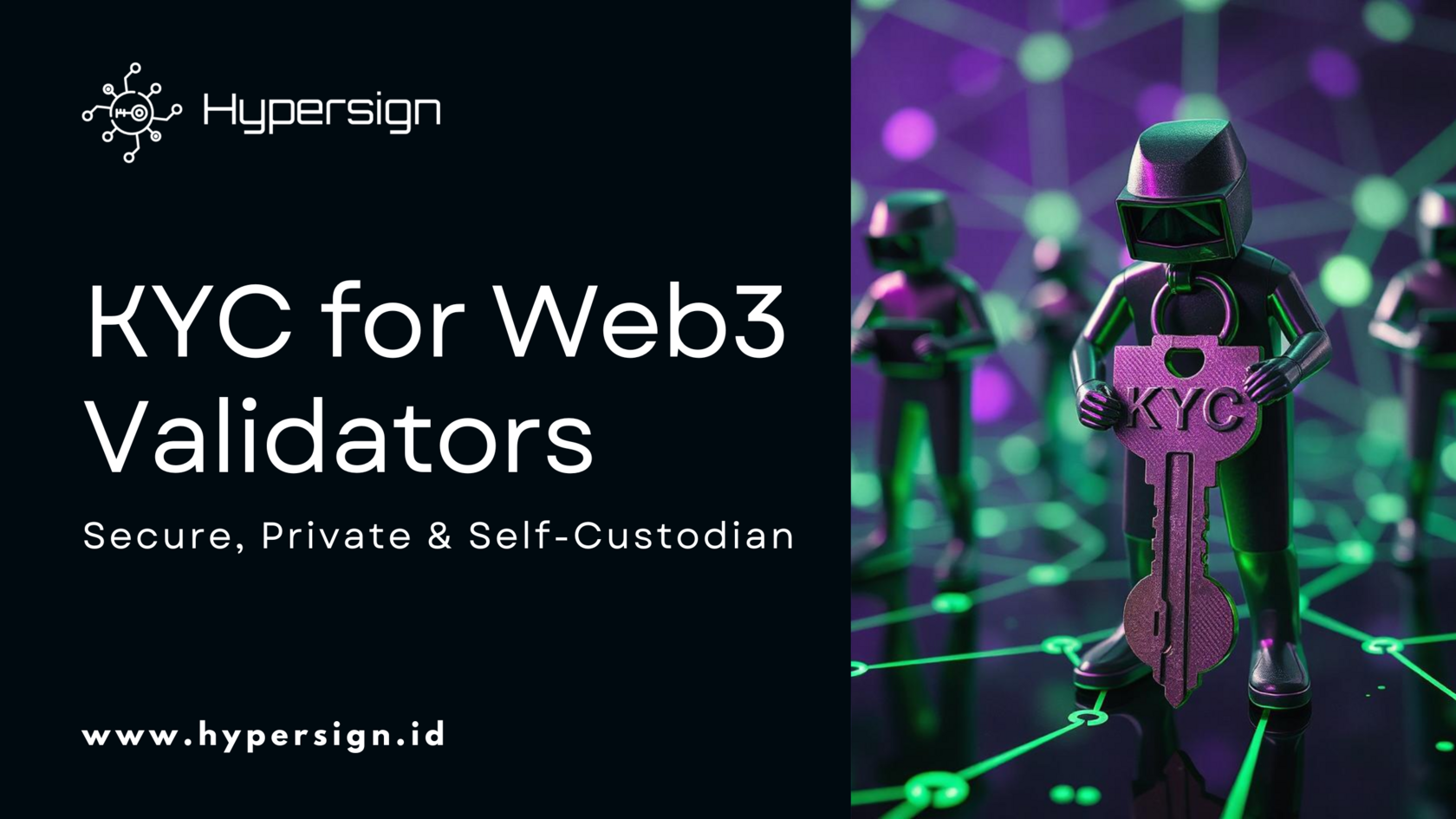
Decentralized KYC shifts custody from centralized databases to the user. According to Intellect EU, this architecture enables institutions to sync data and documents, guaranteeing a single, golden copy of each client. When a client is onboarded or their data updates at any institution within the network, the information stays current across the ecosystem, effectively eradicating duplicates and reducing redundant verification steps.
What are the leading KYC companies in this space?
The market includes established providers like GBG, Sumsub, Veriff, Trulioo, Entrust, Jumio, Socure, LexisNexis Risk Solutions, and AU10TIX. While many offer traditional centralized solutions, platforms like Zyphe are pioneering decentralized models where AI agents verify users on a substrate that allows customers to own and reuse their credentials across different platforms.
How does decentralized KYC differ from traditional methods?
Traditional KYC requires users to submit documents to every new institution, creating data silos. Decentralized KYC vaults allow users to store verified credentials in a secure, self-sovereign manner. This approach gives users control over their data while providing institutions with a reliable, up-to-date verification source, reducing fraud and compliance costs.
No comments yet. Be the first to share your thoughts!