Decentralized kyc vaults limits to account for
The core tension in decentralized identity is the friction between user sovereignty and regulatory compliance. Traditional KYC forces users to submit the same documents to every exchange, creating redundant data silos and increasing privacy risks. Decentralized KYC vaults attempt to solve this by allowing users to store verified credentials in a secure, self-sovereign format. This approach promises to eliminate duplicate submissions while giving individuals control over who accesses their data.
However, the market for decentralized KYC infrastructure remains fragmented and immature. Unlike centralized exchanges that handle verification in-house, decentralized protocols must integrate with external identity providers and comply with evolving global regulations. This creates a complex dependency chain where the security of the vault is only as strong as the underlying verification mechanisms and the legal frameworks governing data portability. For institutions, this means navigating a landscape where technical interoperability does not always guarantee legal recognition.
The current ecosystem is dominated by a few specialized platforms rather than a unified standard. Projects like Zyphe focus on AI-driven verification agents that allow users to reuse identities across platforms, reducing the burden on both consumers and businesses. Meanwhile, dedicated research hubs like Decentralized KYC Vaults provide market context and practical guides for tracking these developments. The lack of a single, widely adopted protocol means that users and institutions must carefully evaluate which vault solutions align with their specific jurisdictional and technical requirements. This fragmentation is a significant constraint for mass adoption, as it limits the seamless portability of identity across the broader Web3 economy.
Decentralized kyc vaults choices that change the plan
Choosing a decentralized KYC vault involves balancing privacy, regulatory compliance, and user experience. Unlike traditional centralized databases, these vaults store identity credentials in encrypted, user-controlled formats. This shift reduces the attack surface for data breaches but introduces complexity for platforms that must verify identities without seeing the raw data.
Privacy vs. Compliance
The primary advantage is data minimization. Platforms receive only a verified "yes" or "no" regarding specific attributes, rather than full copies of passports or utility bills. This protects user privacy but requires robust zero-knowledge proof systems. If the verification protocol is flawed, the vault offers little security. Conversely, centralized KYC stores sensitive documents on company servers, creating a high-value target for hackers. Regulatory bodies increasingly favor decentralized models to limit liability, but platforms must ensure their chosen vault meets local AML (Anti-Money Laundering) standards.
User Experience Friction
Decentralized KYC often requires more steps for the end user. They must first verify their identity with a trusted issuer, then grant permission to a new platform to access that credential. This two-step process can increase drop-off rates compared to uploading a single document. However, once verified, users can reuse their identity across multiple services, reducing long-term friction. Platforms must weigh the initial conversion cost against the benefit of reduced data storage and compliance overhead.
Interoperability Challenges
Not all decentralized KYC solutions are compatible. A credential issued by one protocol may not be accepted by another platform using a different verification standard. This fragmentation can limit the utility of a vault for users who interact with many different services. Platforms should prioritize vaults that support widely adopted standards like W3C Verifiable Credentials to ensure broader acceptance.
| Feature | Decentralized Vault | Traditional KYC |
|---|---|---|
| Data Storage | User-controlled, encrypted | Company servers |
| Breach Risk | Low (no central database) | High (single point of failure) |
| User Reuse | Yes, across platforms | No, repeat for each service |
| Setup Complexity | Higher (two-step process) | Lower (single upload) |
| Regulatory Fit | Varies by jurisdiction | Well-established |
Build a practical decentralized KYC decision framework
Decentralized KYC is shifting from a theoretical concept to a deployable infrastructure layer. The core value proposition is simple: users own their credentials, and institutions verify them without storing redundant data copies. This approach reduces compliance overhead and eliminates the "golden copy" duplication problem that plagues traditional centralized onboarding.
To navigate this space effectively, you need a structured evaluation process. The following steps outline how to assess solutions based on technical architecture, regulatory alignment, and user experience. Use this framework to filter vendors and identify the right tool for your specific operational needs.
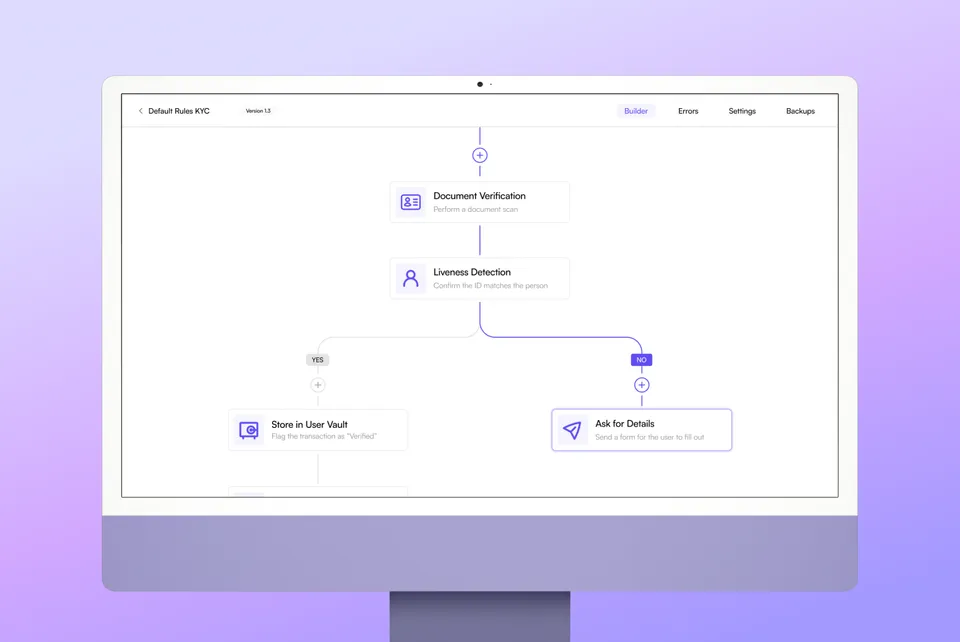
Verify that the solution uses verifiable credentials (VCs) or decentralized identifiers (DIDs) rather than simple database encryption. The user must hold the private key to their identity data. If the provider retains full control over the identity document, it is not truly decentralized. Check for W3C standard compliance to ensure interoperability across different platforms and jurisdictions.
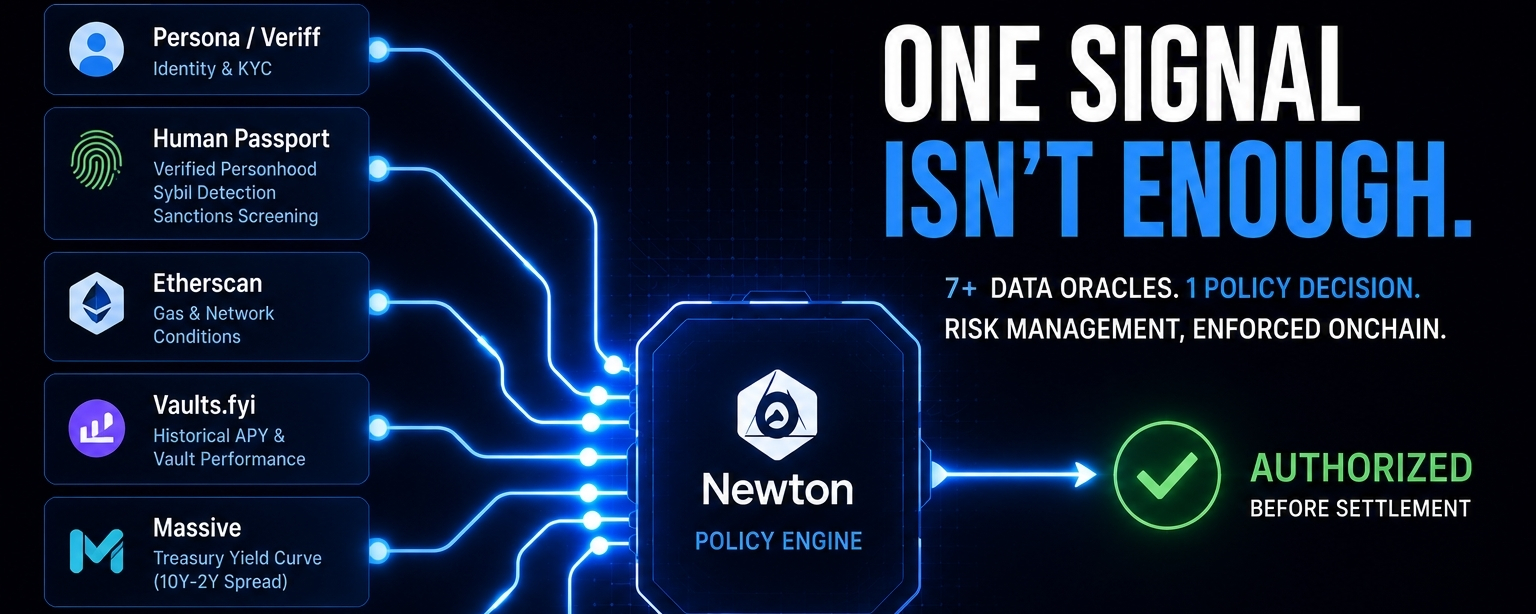
Modern decentralized KYC relies on AI agents to verify documents against global watchlists and biometric data. Look for solutions that automate this process in real-time. The AI should be able to detect deepfakes and document tampering. Ensure the verification logic is transparent and auditable, as regulatory bodies require clear trails for compliance officers.
A robust vault allows users to reuse their verified identity across multiple services without re-submitting documents. This reduces friction and improves conversion rates. Test the solution’s API to confirm it supports selective disclosure, where users can share only the necessary data points (e.g., age over 18) without exposing their full name or address.
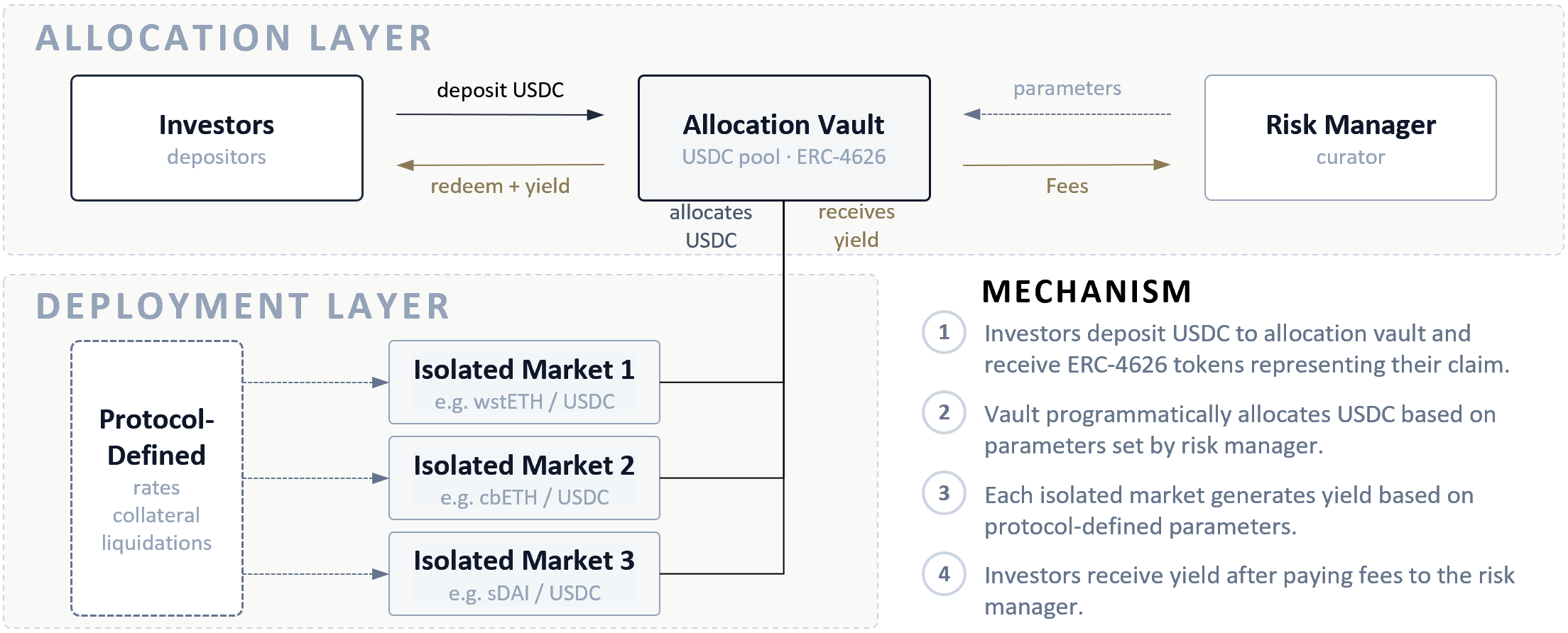
Ensure the vault architecture minimizes data retention. Personal identifiable information (PII) should never be stored on-chain. Instead, the blockchain should only hold hashes or proofs of verification. Verify that the provider has a clear data deletion policy that complies with GDPR and other regional privacy laws. This is critical for avoiding regulatory penalties.
Evaluate the developer experience. Look for comprehensive SDKs, clear documentation, and sandbox environments. The integration should take less than a week for a standard web3 application. Check if the solution supports common wallets and mobile SDKs for seamless user onboarding. Poor integration tools will slow down your product launch and increase technical debt.
By following these steps, you can build a decision framework that prioritizes security, compliance, and user autonomy. This approach ensures you select a solution that is not only technologically sound but also aligned with the evolving regulatory landscape of decentralized finance.
Spotting Weak Decentralized KYC Options
Decentralized KYC vaults promise to solve the duplication problem by giving users a single, golden copy of their credentials. In theory, this lets institutions sync data and verify clients without starting from scratch every time. But the market is filled with platforms that overpromise on privacy while failing on actual compliance utility.
Many solutions claim to use AI agents to verify identities, yet they lack the rigorous ongoing monitoring required by financial regulators. A system that only verifies once and never updates is not decentralized KYC; it is just a static database. True decentralization requires a mechanism for continuous data freshness, ensuring that if a client’s status changes, every institution in the network knows immediately.
Look for platforms that explicitly support ongoing monitoring and real-time updates. If a provider’s documentation focuses heavily on “ownership” but ignores the mechanics of data synchronization, it is likely a weak option. The best vaults act as a living record, not a one-time stamp. Avoid vendors that cannot clearly explain how they handle data updates across the network, as this is where most compliance failures occur.
No comments yet. Be the first to share your thoughts!