Decentralized KYC vaults limits to account for
Decentralized KYC (dKYC) vaults function as privacy-preserving storage layers that sit between the user and the verifier. Instead of sending raw identity documents to every platform, users store credentials in a secure vault and share only what is necessary. This architecture ensures that data is kept up-to-date while eradicating duplicates across institutions.
The primary constraint lies in the verification mechanism. Verifiers must trust the vault's integrity and the user's ability to manage their private keys. Without a standardized protocol, integration becomes fragmented. Platforms must build custom connectors to read from different vault providers, creating technical debt and potential security gaps.
Another significant hurdle is regulatory alignment. While the vault protects privacy, it must still satisfy anti-money laundering (AML) requirements. Verifiers need to confirm that the credentials inside the vault are valid and not expired. This often requires real-time checks with the original issuer, which can slow down onboarding if the infrastructure is not optimized for speed.
Finally, user adoption remains a barrier. Most consumers are accustomed to uploading PDFs directly. Shifting behavior to manage a digital identity wallet requires intuitive design and clear education. Until the user experience rivals traditional methods, many platforms will hesitate to fully replace centralized databases with decentralized vaults.
Decentralized kyc vaults choices that change the plan
Use this section to make the Decentralized KYC Vaults Market Research decision easier to compare in real life, not just on paper. Start with the reader's actual constraint, then separate must-have requirements from details that are merely nice to have. A practical choice should survive normal use, maintenance, timing, and budget. If a recommendation only works in an ideal situation, call that out plainly and give the reader a fallback path.
| Factor | What to check | Why it matters |
|---|---|---|
| Fit | Match the option to the primary use case. | A good deal still fails if it does not fit the job. |
| Condition | Verify age, wear, and service history. | Hidden condition issues erase upfront savings. |
| Cost | Compare purchase price with likely upkeep. | The cheapest option is not always the lowest-cost option. |
Choosing a Decentralized KYC Vault Provider
Selecting the right infrastructure requires balancing compliance rigor with user privacy. Decentralized KYC vaults function as privacy-preserving storage layers that sit between the user and the verifier. Instead of sending raw personally identifiable information (PII) to every service, users store credentials in a vault and share only the necessary proofs. This architecture reduces liability and prevents redundant onboarding across platforms.
When evaluating providers, focus on three critical dimensions: credential ownership, integration flexibility, and auditability. The best solutions allow users to own their credentials and reuse them across different services without exposing raw data to multiple verifiers. Look for providers that support standard verifiable credential formats and offer clear APIs for seamless integration into your existing compliance workflow.
The following steps outline a practical framework for making this decision. Use this checklist to compare vendors and ensure the chosen solution aligns with your regulatory requirements and technical capabilities.
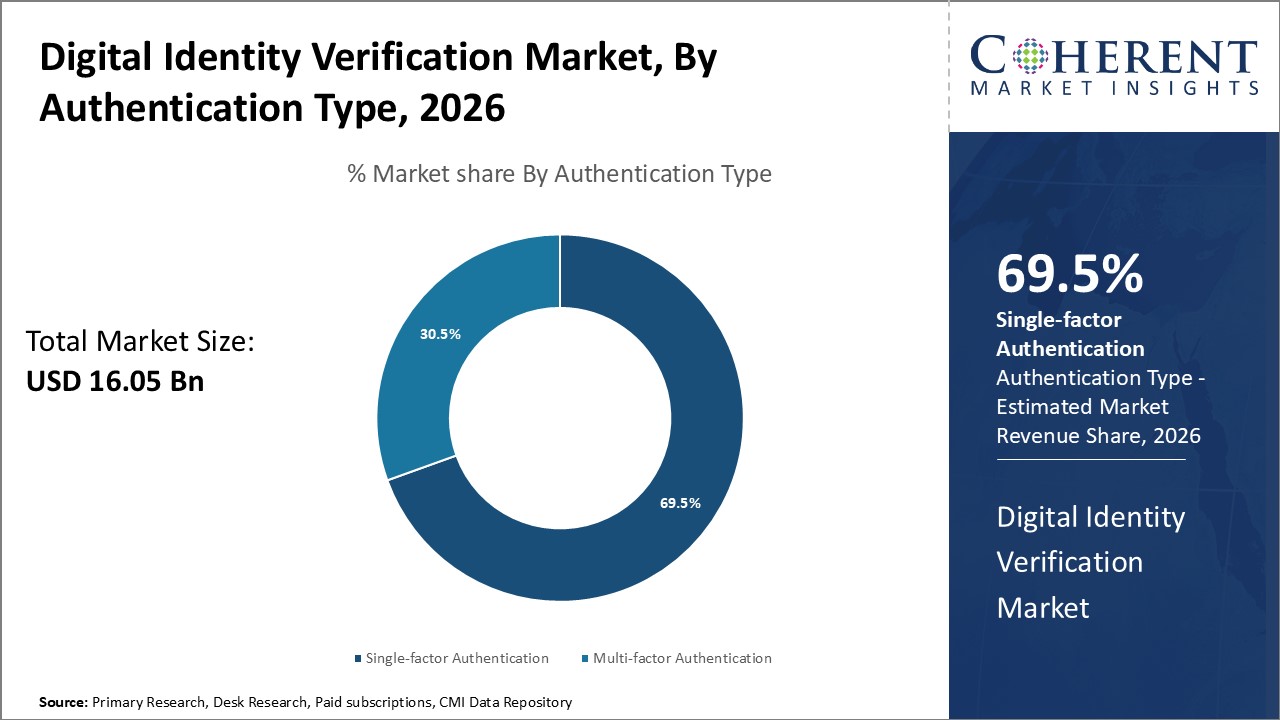
Verify that the provider allows users to control their identity data. The ideal vault lets users decide which credentials to share and with whom. Avoid solutions that lock data into proprietary silos or require continuous data sharing with the provider. User-owned credentials reduce your liability and increase trust.
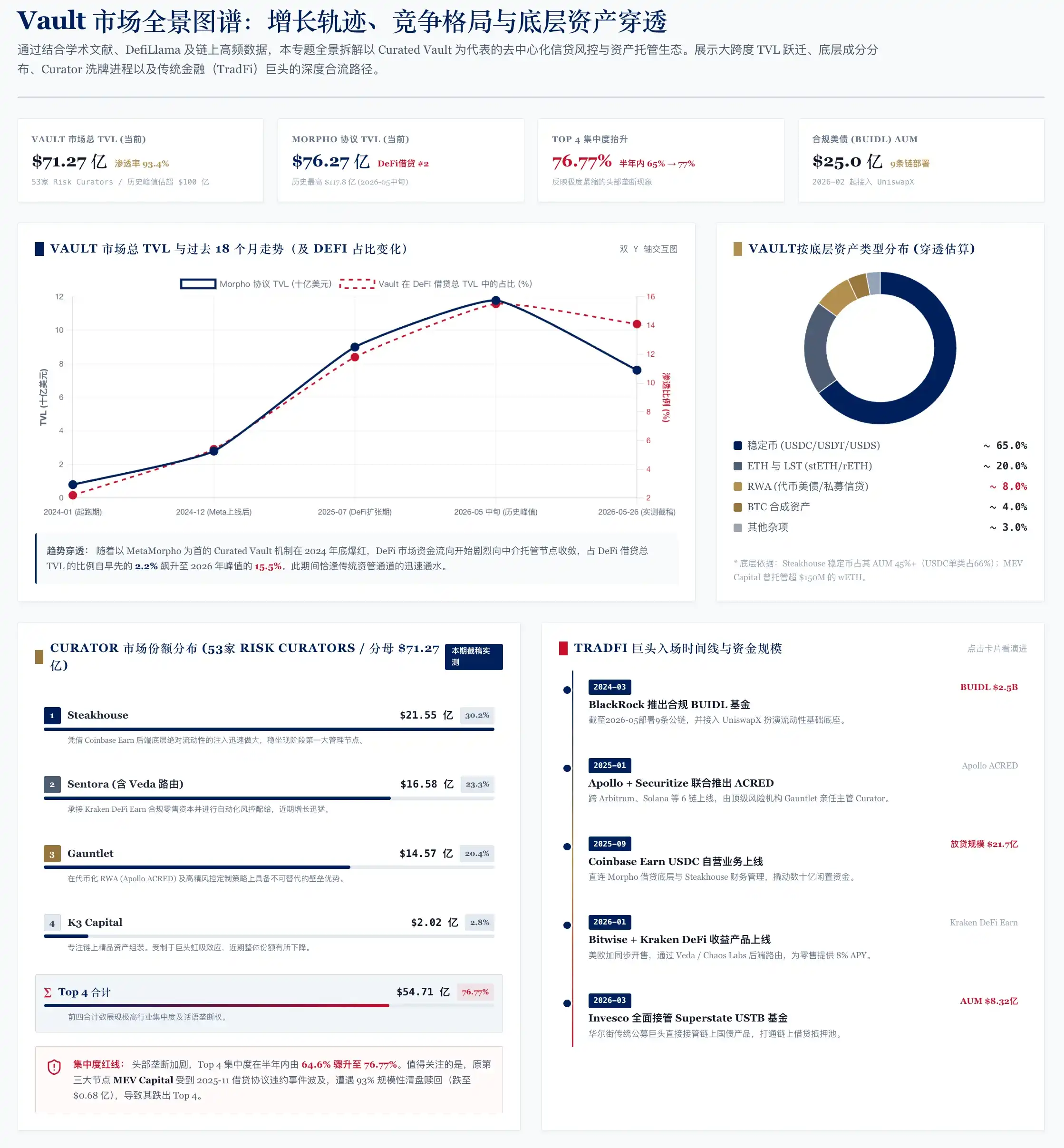
Check if the provider supports standard APIs and verifiable credential protocols. Seamless integration into your existing onboarding flow is essential. Look for providers that offer SDKs, webhooks, and clear documentation for developers. Rigid, custom-only integrations will slow down deployment and increase maintenance costs.
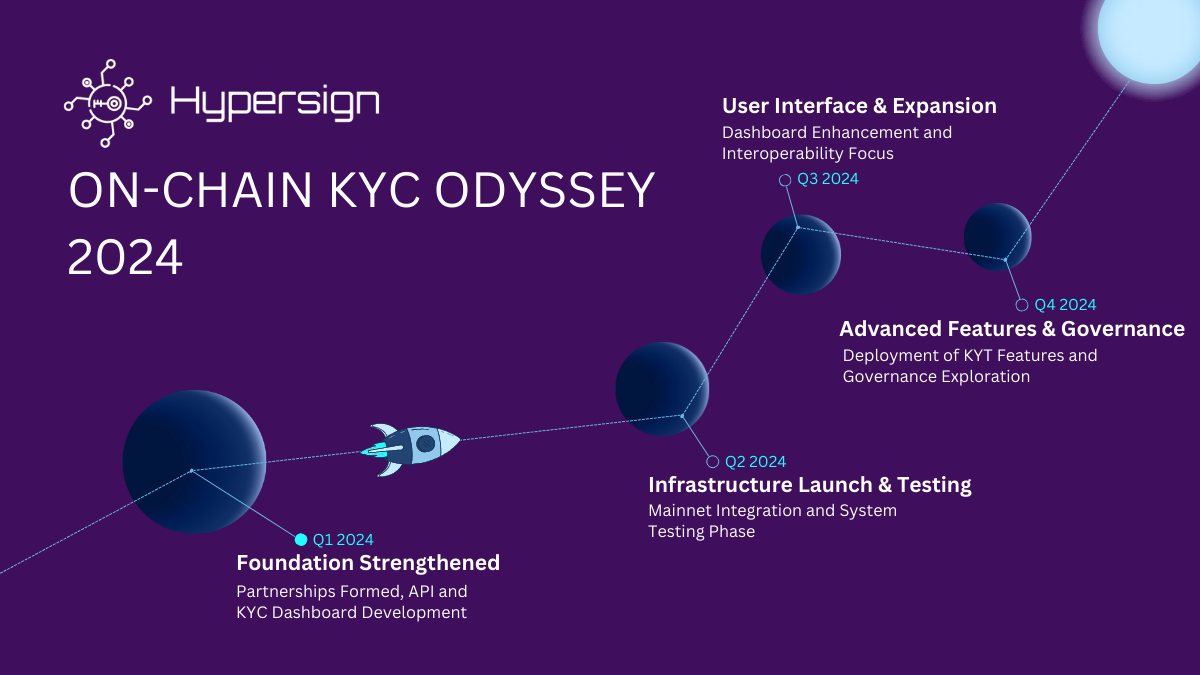
Ensure the vault provider offers robust audit trails and compliance reporting. You need to demonstrate regulatory adherence during audits. Look for features like immutable logs of credential access, version control for user data, and support for specific regional regulations like GDPR or CCPA.
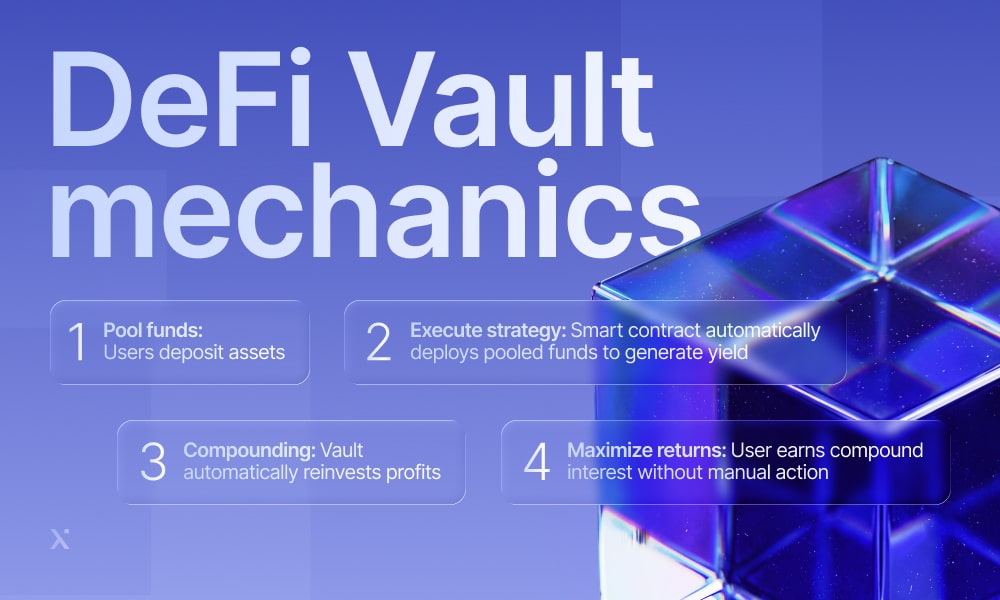
Leading KYC service providers include GBG, Sumsub, Veriff, Trulioo, Entrust, Jumio, Socure, LexisNexis Risk Solutions, and AU10TIX. Compare their specific decentralized offerings against these established players. Consider factors such as global coverage, pricing models, and workflow flexibility to find the best fit for your business needs.



As an Amazon Associate, we may earn from qualifying purchases.
Spotting Weak Options in Decentralized KYC
Many providers market "decentralized KYC" by simply wrapping a traditional centralized database in a Web3 interface. This creates a false sense of privacy while retaining single-point failure risks. A true decentralized vault stores credentials in a user-controlled storage layer, allowing verifiers to check proofs without seeing raw data. If the provider holds the decryption keys, it is not decentralized.
Another common mistake is ignoring credential portability. Weak systems lock users into a single platform, forcing re-verification for every new service. Strong options use verifiable credentials (VCs) that users can reuse across platforms. This reduces friction and compliance costs. Check if the solution supports standard formats like W3C VC or DIDComm.
Finally, beware of vague AI claims. Some tools promise "AI-driven verification" but lack transparent audit trails. In regulated industries, you need explainable decisions, not black boxes. Look for providers that offer clear logic for rejection reasons and maintain immutable logs of all verification steps.
| Feature | Weak Option | Strong Option |
|---|---|---|
| Data Storage | Provider-controlled database | User-held decentralized vault |
| Credential Reuse | Locked to single platform | Portable across services |
| AI Transparency | Black-box decisions | Explainable audit trails |
Decentralized kyc vaults: common: what to check next
Decentralized KYC (dKYC) shifts identity control from centralized databases to the user. Instead of submitting raw documents to every platform, users store credentials in a vault. Verifiers request specific proofs via zero-knowledge protocols, confirming compliance without exposing unnecessary personal data.
Institutional implementations focus on maintaining a "golden copy" of client data. When a user updates their information at one network node, the change syncs across participating institutions. This eliminates duplicate records and ensures that compliance data remains current without redundant verification steps.
The market includes legacy providers like GBG, Sumsub, Veriff, and Trulioo, alongside Web3-native builders. Traditional firms often offer broader regulatory integration, while decentralized vaults prioritize privacy-preserving architecture. The right choice depends on whether your priority is global legacy coverage or self-sovereign identity workflows.
No comments yet. Be the first to share your thoughts!