Decentralized kyc vaults: the core limits to account for
Decentralized KYC vaults solve a specific infrastructure problem: how to verify identity without storing sensitive personal information in centralized databases. Traditional KYC requires companies to hold passports, selfies, and addresses, creating massive liability for data breaches. A vault shifts this burden. You store your credentials in a user-controlled vault, and verification happens via zero-knowledge proofs.
This architecture enables a "golden copy" of your identity. Instead of submitting your driver’s license to every new platform, you prove you meet specific criteria—like being over 18 or residing in a certain jurisdiction—without revealing the underlying document. This eliminates PII liability for institutions while allowing one-click reuse across platforms.
For institutions, this means syncing data and documents while guaranteeing a single, trusted source of truth for each client and associated natural persons. It simplifies onboarding and reduces the risk of redundant data storage. However, the constraint is clear: the vault must be robust enough to handle cryptographic verification without slowing down the user experience.
The tradeoff is between immediate convenience and long-term privacy. Centralized exchanges still dominate because they require KYC for bank-to-crypto links, but vaults offer a more secure, privacy-preserving framework. As blockchain KYC evolves, the shift from company-held databases to user-owned vaults will define the next standard for compliant financial onboarding.
Decentralized KYC Vaults: Tradeoffs to Evaluate
Decentralized KYC vaults offer a distinct architecture for compliance, but they introduce specific operational frictions that centralized models do not. When evaluating these systems, you are balancing data sovereignty against integration complexity. The core tradeoff lies in who holds the liability and how verification data moves between the user, the verifier, and the regulated entity.
The primary advantage is the reduction of PII (Personally Identifiable Information) liability. By shifting personal data from company databases into user-owned vaults, platforms eliminate the need to store sensitive documents like passports or utility bills. This approach aligns with zero-knowledge proof (ZKP) models, where verification agents confirm identity attributes without exposing the underlying raw data. For high-stakes environments, this significantly lowers the attack surface for data breaches.
However, this privacy comes at the cost of user experience friction. Users must actively manage their credentials and initiate proof generation. If a user loses access to their vault or the underlying private keys, recovery can be difficult without robust backup protocols. Additionally, not all legacy compliance systems support ZKP verification out of the box, requiring custom integration work.
| Feature | Centralized KYC | Decentralized KYC Vault | Zero-Knowledge Proof (ZKP) |
|---|---|---|---|
| Data Storage | Platform-held databases | User-controlled vaults | Encrypted on-chain/off-chain |
| Liability | High (PII breach risk) | Low (Minimal PII held) | Minimal (No raw data shared) |
| User Friction | Low (One-time upload) | Medium (Credential management) | High (Technical setup required) |
| Integration | Standard API | Custom SDK/Integration | Complex Smart Contract Logic |
| Re-verification | Manual re-upload | One-click reuse | Instant proof generation |
The choice often depends on your risk tolerance and technical capacity. If you are building a regulated financial product, the audit trail provided by ZK proofs is increasingly becoming the standard for institutional compliance. For consumer-facing apps, the added friction may require significant education to prevent drop-off.
How to choose a decentralized KYC vault
Decentralized KYC shifts identity verification from centralized databases to user-controlled vaults. Instead of uploading documents to multiple platforms, you store credentials once and use zero-knowledge proofs to verify eligibility across services. This reduces PII liability and streamlines onboarding for both users and institutions.
When evaluating vault infrastructure, focus on three practical tradeoffs: custody model, verification speed, and interoperability. The right choice depends on whether you prioritize self-sovereign control or institutional compliance integration.
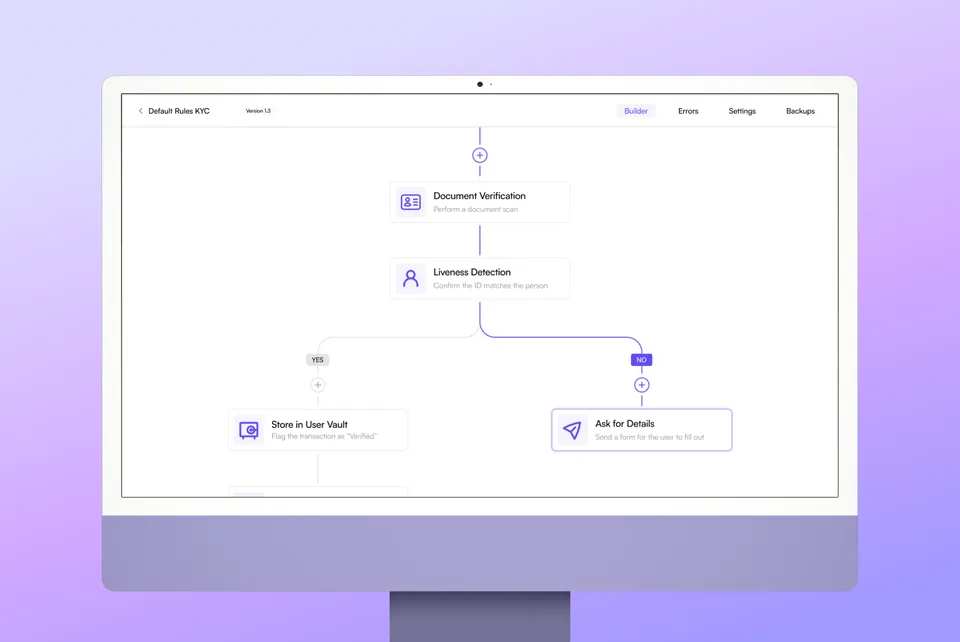
Decide who holds the private keys. Self-custodied vaults give you full control but require managing recovery phrases. Institutional-grade vaults often use multi-signature or MPC (Multi-Party Computation) setups, which balance security with operational efficiency for regulated entities.

Ensure the vault supports the specific ZK circuits required by your target protocols. Standard KYC checks age or residency; advanced vaults can prove wallet health or sanction screening without revealing transaction history. Compatibility with major ZK stacks like zkSync or Polygon ID is essential for broad adoption.
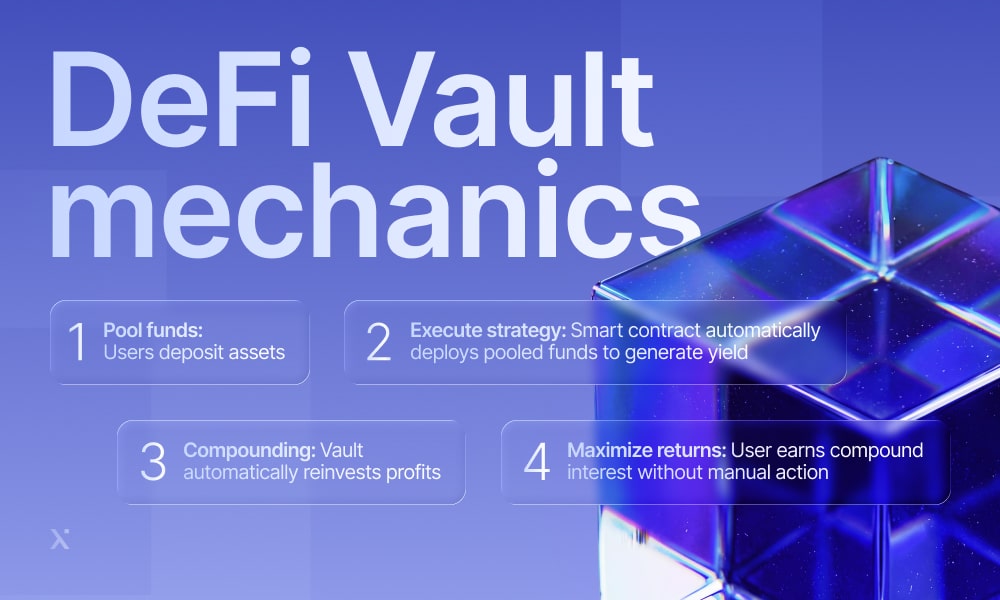
Look for adherence to W3C Verifiable Credentials or similar open standards. A vault that only works with one platform limits its utility. Interoperable vaults allow you to reuse a single verified identity across DeFi lending, NFT marketplaces, and regulated exchanges without repeating the verification process.
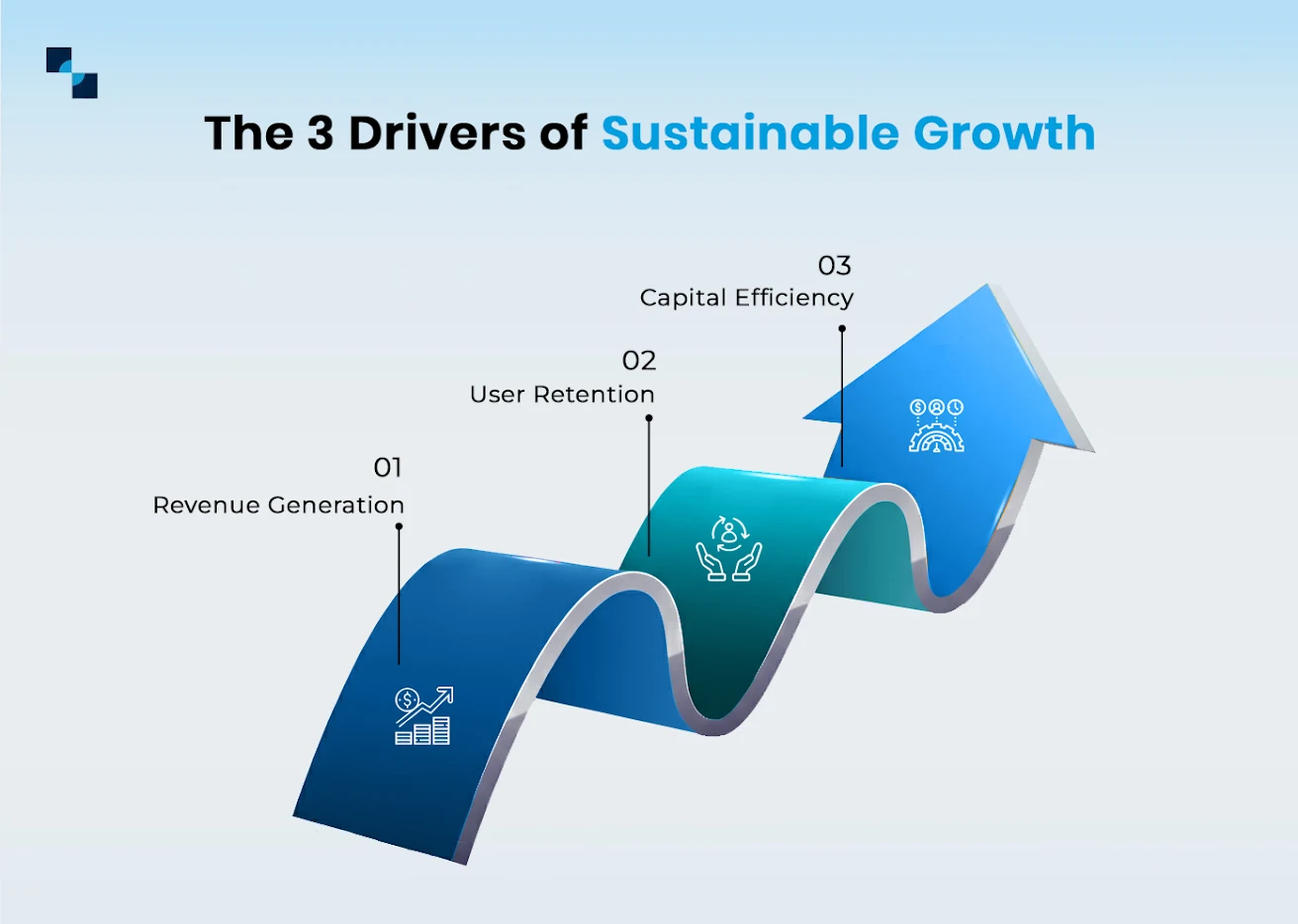
For regulated entities, the vault must offer a "golden copy" of client data that syncs securely with internal compliance systems. This ensures that verification results are auditable and consistent. Without this sync, decentralized KYC remains isolated from the legal frameworks required for traditional finance integration.
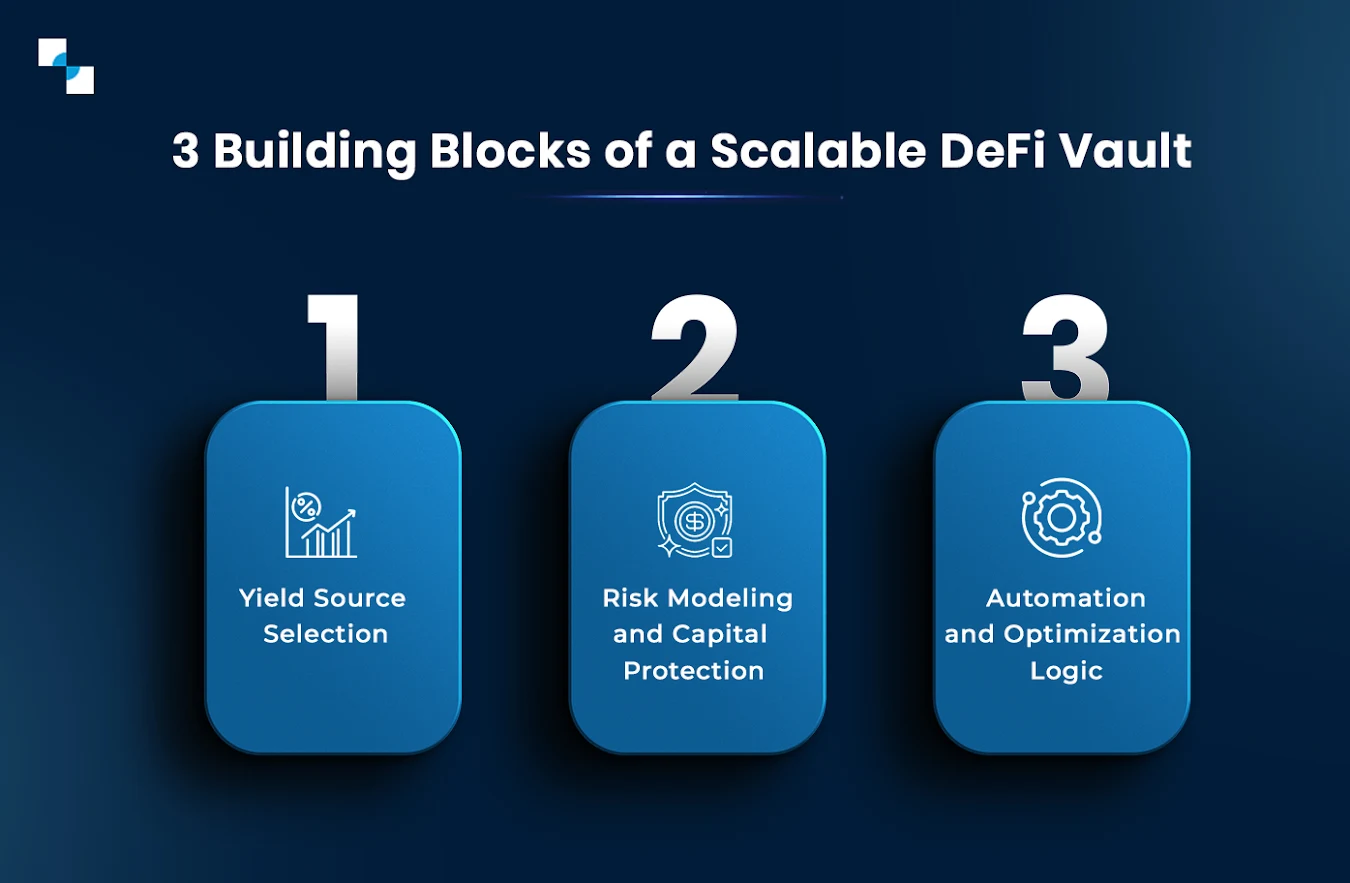
KYC is not a one-time event. Choose a vault that supports dynamic credential updates and ongoing sanction screening. Automated monitoring ensures that if a user's status changes, the proof of eligibility is automatically revoked or updated across all connected platforms, maintaining continuous compliance.
Spotting Weak Decentralized KYC Options
Many vendors market "decentralized KYC" as a privacy panacea, but the reality is often a hybrid model with significant data retention risks. The strongest implementations, like those described by Zyphe, split identity data across user-controlled credentials and zero-knowledge proofs. This architecture shifts personal data from company databases into user-owned vaults, eliminating PII liability while enabling one-click reuse. However, not all solutions offer this level of true decentralization.
The "Golden Copy" Trap
Some enterprise solutions, such as Catalyst Blockchain Manager, focus on syncing data to guarantee a single "golden copy" for institutions. While efficient for compliance teams, this centralized synchronization contradicts the core promise of decentralized identity. If the provider holds the master reference data, you are essentially trading one database for another, retaining the same single point of failure and regulatory exposure.
Verification vs. Storage
A common mistake is conflating verification with storage. True decentralized KYC uses AI verification agents to validate credentials against official sources, then discards the raw PII. Weak options store the scanned documents in a "vault" that the provider can still access or be compelled to hand over. Always verify if the vault is truly user-keyed or if the provider retains administrative access. If the provider holds the keys, it is not decentralized; it is just encrypted storage.
Red Flags in Marketing Claims
Be wary of platforms that promise "zero-knowledge" but require continuous interaction with their central servers. If the verification process relies on a central oracle to validate the ZK-proof, the decentralization is superficial. Look for protocols where the validation logic is on-chain or fully client-side. The goal is to minimize trust assumptions, not just move the trust burden to a different vendor.
Decentralized kyc vaults: frequently asked: what to check next
This section addresses practical objections and common search queries regarding decentralized identity verification.
No comments yet. Be the first to share your thoughts!