Decentralized kyc vaults: the infrastructure limits to account for
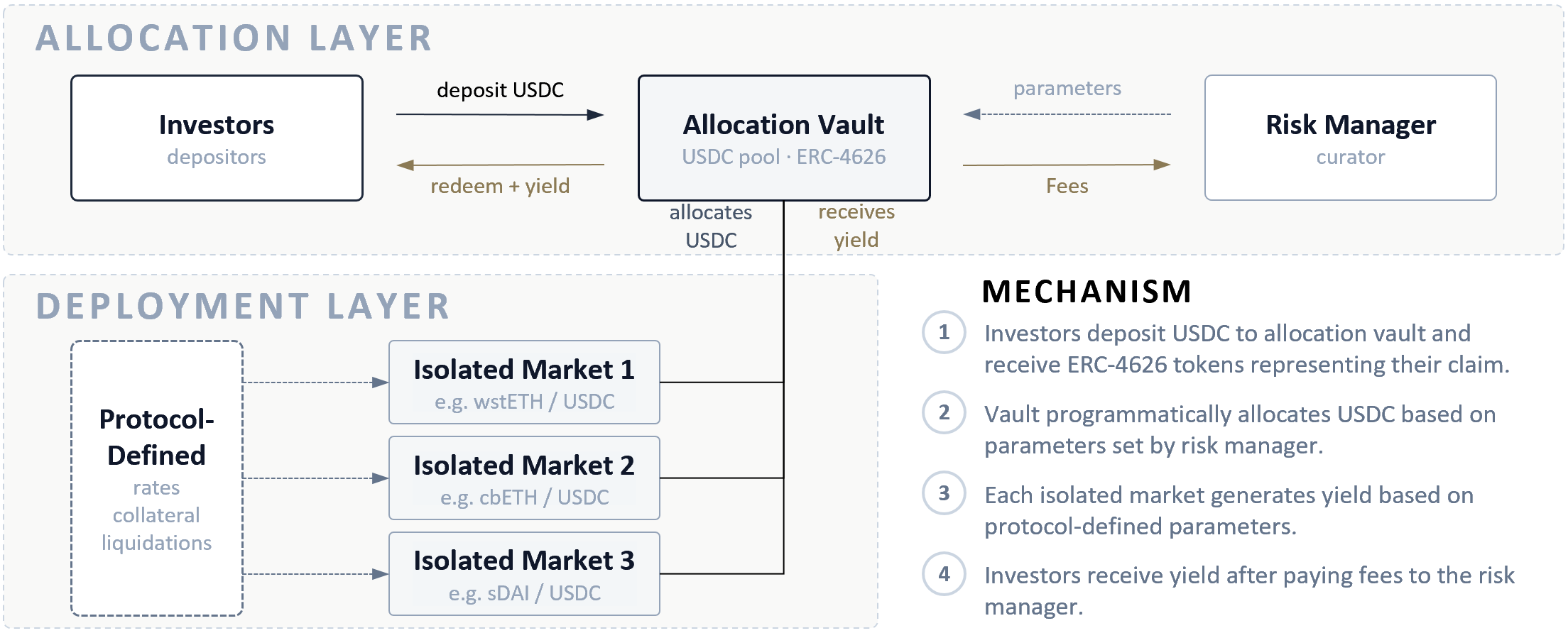
Decentralized KYC vaults solve the data fragmentation problem by shifting identity verification from centralized corporate databases to user-controlled credentials. Instead of submitting sensitive documents to every new platform, users store their verified identity in a personal vault. This architecture relies on zero-knowledge proofs to confirm eligibility without exposing the underlying personal information.
The primary constraint lies in the initial setup complexity. While the vault model eliminates ongoing PII liability for institutions, it requires a robust substrate to manage the cryptographic keys and verification agents. Users must first complete a rigorous onboarding process to populate their vault with certified credentials.
Once established, the vault enables one-click reuse across platforms. This reduces friction for both consumers and institutions, as the latter can sync data without maintaining redundant copies. However, the system’s reliability depends entirely on the security of the underlying distributed ledger and the accuracy of the initial AI verification agents.
This shift transforms KYC from a repetitive burden into a reusable asset. Institutions gain a single, golden copy of client data without storing the raw documents themselves. For users, it means greater privacy and control over their digital identity.
Decentralized kyc vault choices that change the plan
When building a decentralized KYC vault strategy, you are balancing privacy guarantees against regulatory friction. The architecture shifts personal data from company databases into user-owned vaults, but this shift introduces new operational complexities for compliance teams.
The primary tradeoff lies in data control versus auditability. In traditional models, institutions hold the "golden copy" of client data, simplifying reporting but creating massive liability targets for breaches. In decentralized systems, users hold the credentials, and verification relies on zero-knowledge proofs. This eliminates PII liability for the platform but requires robust technical infrastructure to ensure proofs are valid and accepted by regulators.
Another critical factor is interoperability. A vault system is only as useful as the platforms that accept its credentials. If your vault solution is not compatible with major KYC providers or regulatory reporting standards, you create a siloed experience that frustrates users and delays onboarding. You must evaluate whether your chosen protocol supports standardized credential formats like W3C Verifiable Credentials.
Finally, consider the cost and latency of verification. While zero-knowledge proofs protect privacy, generating and verifying them requires computational resources. For high-volume crypto exchanges, this can impact user experience. You need to weigh the security benefits of on-chain verification against the speed requirements of immediate transaction access.
| Tradeoff Factor | Centralized Model | Decentralized Vault | Strategic Impact |
|---|---|---|---|
| Data Liability | High (PII storage risk) | Low (User-held data) | Reduces breach fines but increases trust requirements |
| Audit Trail | Direct database access | Zero-knowledge proofs | Requires new compliance tooling for auditors |
| Interoperability | Standardized APIs | Protocol-dependent | Limits adoption if not widely supported |
| User Onboarding | Repeated submissions | One-click reuse | Significantly improves conversion rates |
Choose the next step
Decentralized KYC Vaults Strategy works best as a clear sequence: define the constraint, compare the realistic options, test the tradeoff, and choose the path with the fewest hidden costs. That order keeps the advice usable instead of decorative. After each step, pause long enough to check whether the recommendation still fits the reader's actual situation. If it depends on perfect timing, unusual access, or a best-case budget, include a simpler fallback.

Spotting weak KYC vault options
Decentralized KYC vaults promise to shift identity data from company databases into user-owned storage, but the market is crowded with implementations that fail on basic security or usability fronts. Before integrating a provider, you need to verify how they actually handle the zero-knowledge proofs and credential storage. Many platforms claim decentralization while retaining central control over key recovery or data access, which defeats the purpose of eliminating PII liability.
The biggest mistake users make is assuming all "decentralized" solutions are equal. Some rely on centralized servers for the initial verification step, creating a single point of failure. Others use complex smart contracts that are difficult for non-technical users to interact with, leading to lost credentials or failed onboarding. You must check if the vault supports standard verifiable credentials (VCs) and if the zero-knowledge proofs are generated client-side.
Look for providers that clearly document their cryptographic methods and offer clear recovery paths without compromising privacy. Avoid any service that requires you to store private keys in plain text or relies on email-based recovery for critical identity data. The infrastructure should be invisible to the user, functioning like a secure digital wallet rather than a traditional database.
Decentralized kyc vaults: common: what to check next
Before committing to a decentralized identity strategy, it helps to clarify how vaults differ from traditional databases and where compliance friction remains. The following questions address the practical mechanics of decentralized KYC (dKYC), the standard verification workflow, and how blockchain infrastructure handles regulatory requirements.
Helpful gear
Use these product recommendations as a starting point, then choose the size, material, and price point that fit how you actually use the gear.



As an Amazon Associate, we may earn from qualifying purchases.
No comments yet. Be the first to share your thoughts!