Get decentralized kyc vaults right
Start to Decentralized KYC Vaults with the constraint that matters most in real life: space, timing, budget, skill level, maintenance, or availability. That first constraint should shape the rest of the plan instead of appearing as an afterthought. Keep the first pass simple enough to verify. Compare the main options against the same criteria, remove choices that only work in ideal conditions, and save optional upgrades for later.
The simplest way to use this section is to write down the real constraint first, compare each option against it, and choose the path that still works outside ideal conditions.
Work through the steps
Deploying a decentralized KYC vault requires shifting from centralized data hoarding to user-controlled credential management. This process involves integrating zero-knowledge proofs (ZKPs) to verify identity attributes without exposing raw personal data. Follow this sequence to build a compliant, privacy-preserving onboarding flow.
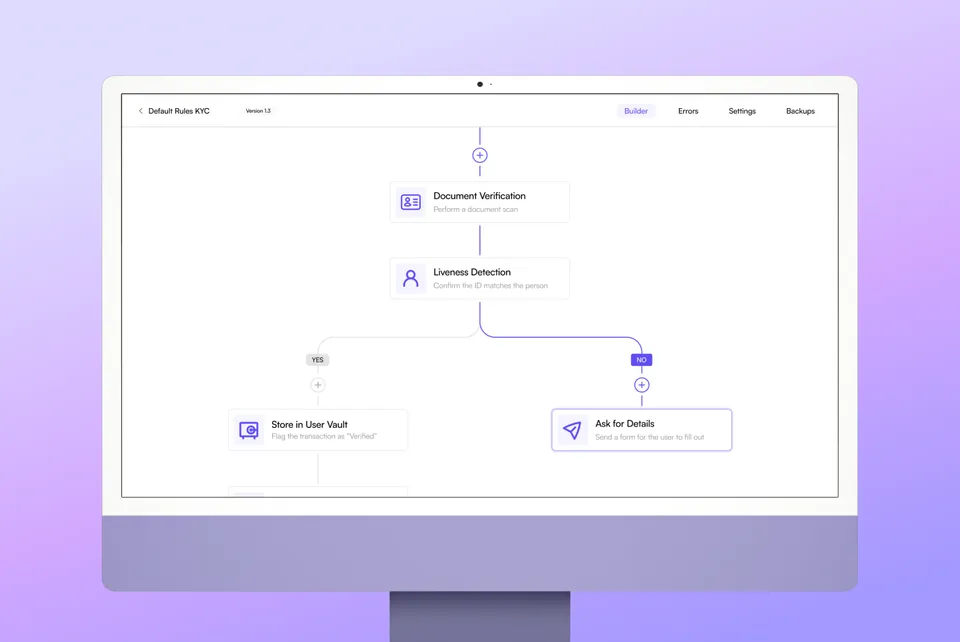
Begin by mapping the specific regulatory obligations for your jurisdiction. Determine which attributes require verification—age, residency, or sanctions list status—and which can remain optional. Avoid over-collecting data; only request what is legally necessary to reduce liability and storage costs. Document these requirements in a compliance matrix to guide your smart contract logic.

Choose a DID (Decentralized Identity) protocol that supports your target blockchain. Look for providers that issue W3C-compliant Verifiable Credentials (VCs). Ensure the provider supports the specific ZK-circuits needed for your use case, such as proving you are over 18 without revealing your birth date. Verify that the provider’s infrastructure is audited and compatible with your existing tech stack.
Embed the provider’s verification SDK into your application’s onboarding flow. The interface should guide users to present their VC from their digital wallet. Implement real-time validation checks to ensure the credential is signed by a trusted issuer and has not been revoked. Design the UI to clearly explain what data is being shared and why, maintaining transparency to build user trust.

Deploy or update your smart contracts to accept and verify ZK-proofs. The contract should validate the proof against the public parameters of the ZK-circuit. Store only the verification result (e.g., a boolean flag or a hashed user ID) on-chain; never store the raw identity data. Implement role-based access control to ensure only authorized services can trigger verification checks.
Run comprehensive tests covering various scenarios: expired credentials, revoked VCs, and invalid proofs. Verify that the system rejects fraudulent attempts while allowing legitimate users to pass through smoothly. Conduct a security audit of the smart contract logic to ensure no vulnerabilities exist that could allow bypassing the verification process. Simulate high-volume traffic to check for performance bottlenecks.
-
Mapped regulatory requirements to specific data points
-
Selected DID provider with ZK-proof support
-
Integrated verification SDK into onboarding flow
-
Deployed smart contract with on-chain verification logic
-
Completed security audit and edge-case testing



As an Amazon Associate, we may earn from qualifying purchases.
Fix common mistakes in decentralized kyc vaults
Building a decentralized KYC vault requires precision. A single configuration error can expose user data or trigger regulatory flags. These mistakes are common among teams rushing to launch, and they undermine the core promise of privacy-preserving verification.
Misconfiguring zero-knowledge proof parameters
The most frequent technical error is setting overly restrictive or overly broad parameters for zero-knowledge proofs (ZKPs). If the proof system requires more data than necessary, it slows down verification and increases gas costs. If it requires less, it fails to meet compliance thresholds. Teams often skip rigorous stress testing of the ZK circuits against real-world edge cases, leading to failed verifications during peak load.
Ignoring data minimization principles
Decentralized identity thrives on data minimization—sharing only what is strictly necessary. A common mistake is storing full identity documents in the vault instead of cryptographic commitments. This defeats the purpose of decentralization and creates a honeypot for attackers. Always ensure that sensitive PII (Personally Identifiable Information) never leaves the user’s device or encrypted local storage.
Overlooking regulatory interoperability
KYC data must be compatible with both decentralized protocols and traditional financial regulators. Teams often build siloed verification systems that cannot map to standard AML (Anti-Money Laundering) frameworks. This creates friction when onboarding users who also interact with centralized exchanges. Ensure your vault architecture supports standard claim formats that can be interpreted by both Web3 and Web2 compliance tools.
Decentralized kyc vaults: frequently asked: what to check next
Before committing to a decentralized identity infrastructure, teams must distinguish between traditional compliance frameworks and the new zero-knowledge architectures that power these vaults. The following questions address the most common operational and regulatory objections.
No comments yet. Be the first to share your thoughts!