Decentralized KYC vault limits to account for
Decentralized KYC vaults shift identity verification from centralized databases to user-controlled credentials. Instead of storing sensitive personal data on a single server, these systems use zero-knowledge proofs to verify attributes like age or residency while keeping the raw data private. This architecture addresses the primary friction in modern compliance: the tension between regulatory transparency and individual privacy.
The main constraint lies in adoption complexity. Traditional KYC relies on standardized, monolithic checks. Decentralized models require interoperability between digital identity wallets, blockchain networks, and legacy financial infrastructure. Without universal standards, a vault verified on one platform may not be accepted by another, creating fragmented user experiences.
Another hurdle is legal recognition. While blockchain-based verification is technically robust, regulatory bodies in many jurisdictions still require identifiable data retention for audit trails. Vaults must balance anonymized verification with the ability to disclose specific user data only when legally mandated, such as during law enforcement inquiries or anti-money laundering investigations.
Finally, the cost of verification differs. Traditional providers like Sumsub or Veriff scale efficiently due to volume. Decentralized alternatives often incur gas fees and require more complex integration work. For high-volume onboarding, the total cost of ownership may remain higher until network effects reduce transaction costs and increase standardization across the ecosystem.
Evaluating decentralized KYC vault choices that change the plan
Decentralized KYC vaults promise a shift from centralized data hoarding to user-controlled verification. Instead of handing your passport and selfie to every platform you join, you verify once with a trusted provider. The result is a cryptographically signed credential stored in your personal vault. You then share only the specific proofs needed—like "over 18" or "resident of the EU"—without exposing the original documents.
This architecture introduces distinct tradeoffs between privacy, compliance, and usability. Choosing the right infrastructure requires balancing the desire for anonymity against the strict requirements of regulated financial institutions. Below is a comparison of the primary implementation models currently shaping the 2026 landscape.
| Model | Privacy Level | Compliance Ease | User Friction |
|---|---|---|---|
| Zero-Knowledge Proofs (ZKP) | High | Moderate | High |
| Selective Disclosure Credentials | Medium | High | Low |
| Decentralized Identifiers (DIDs) | Medium | Medium | Medium |
| Hybrid On-Chain/Off-Chain | Low | High | Low |
Zero-Knowledge Proofs (ZKP) offer the strongest privacy guarantees. You can prove you meet a criterion without revealing the data itself. However, generating these proofs requires significant computational power, which can slow down onboarding. For many traditional financial institutions, the complexity of verifying ZKP outputs remains a hurdle, even if the privacy benefits are clear.
Selective Disclosure Credentials, often built on W3C Verifiable Credentials standards, strike a more practical balance. You share only the necessary fields, such as your date of birth, while keeping the rest of your identity private. This approach is easier for legacy systems to integrate and is currently the most common path for regulated DeFi platforms seeking compliance.
Decentralized Identifiers (DIDs) provide the foundational layer for these credentials. They allow you to own your identity without relying on a central registry. While DIDs are essential for true self-sovereignty, they do not solve the verification problem on their own. They must be paired with a trusted issuer and a verification method to be useful in a KYC context.
Hybrid models store minimal hashes on-chain while keeping the bulk of data off-chain. This reduces blockchain costs and improves scalability. However, it reintroduces some centralization risks if the off-chain storage is controlled by a single entity. Users must trust that the off-chain provider will not be compromised or coerced into revealing data.
The choice between these models depends on your risk tolerance and regulatory environment. If privacy is the primary concern, ZKP is the gold standard. If ease of integration and broad compliance are priorities, selective disclosure credentials are the more viable option. As the regulatory landscape evolves, hybrid approaches may become the default for platforms that need to balance both needs.
Building a Compliance Stack That Doesn't Leak Data
Decentralized KYC shifts the burden of proof from centralized databases to user-held credentials. Instead of uploading your passport to five different exchanges, you verify once and present zero-knowledge proofs. This architecture reduces your attack surface, but it requires a specific stack to function.
The following steps outline how to assemble a privacy-first compliance layer. We focus on the technical components that enable this workflow, from identity issuance to verification.
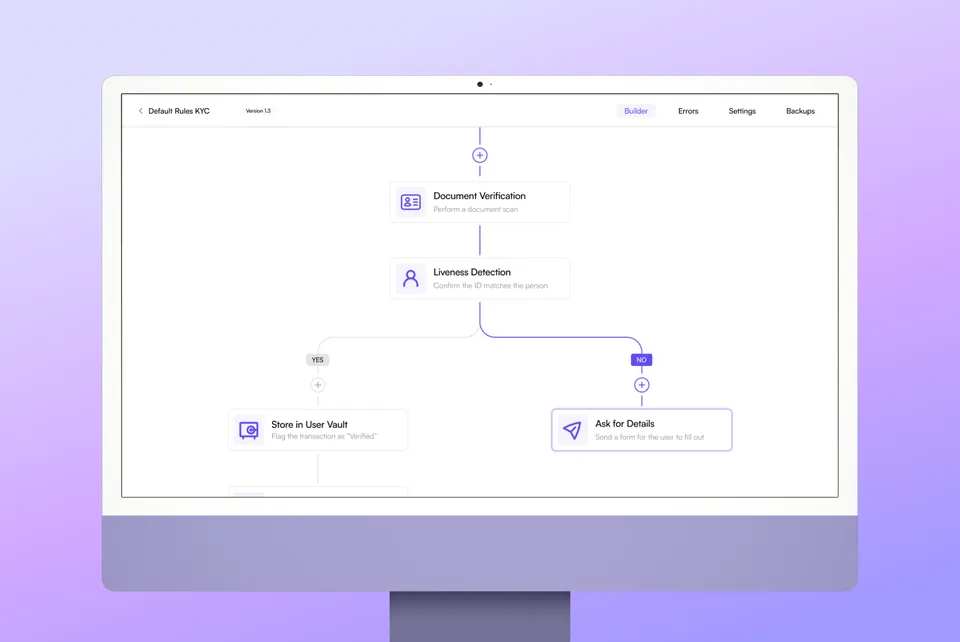
Start with a trusted issuer. In a decentralized model, the KYC provider (like Sumsub or Socure) acts as the issuer. They verify your identity off-chain and issue a Verifiable Credential (VC) to your digital wallet. This VC contains only the data you consent to share, such as "Over 18" or "Resident of EU," rather than your full name and address.

Your credentials live in a Self-Sovereign Identity (SSI) vault or wallet. Popular options include Polygon ID, SpruceID, or platform-specific wallets like Coinbase’s. These vaults encrypt your data locally. The private key never leaves your device, ensuring that no central server holds your raw identity documents.
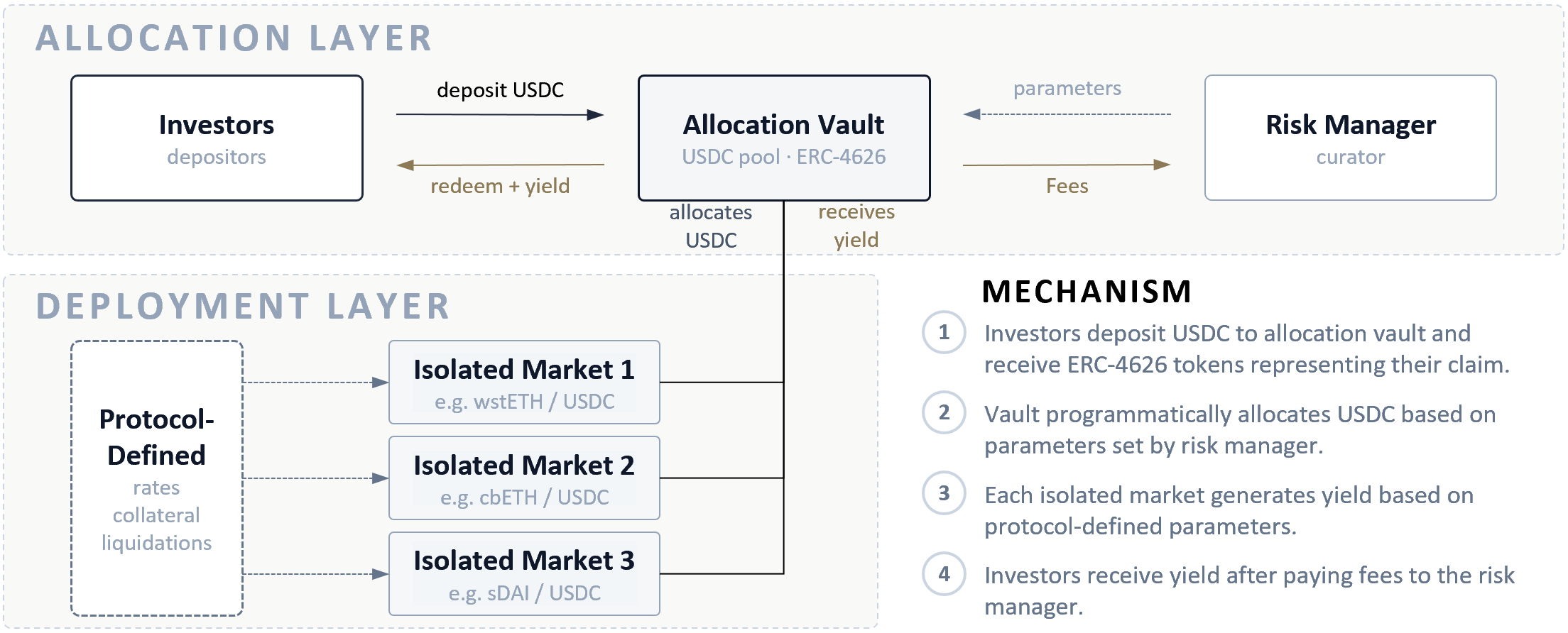
To prove compliance without exposing raw data, you need a ZK-SNARK or ZK-STARK circuit. This cryptographic tool allows you to generate a proof that satisfies a specific condition (e.g., "age > 18") without revealing the input. Look for providers like Polygon ID or Aztec Network that offer pre-built circuits for common KYC checks.
Your platform needs a smart contract that acts as the verifier. When a user submits a ZK-proof, the contract checks its validity against the issuer's public key and the circuit's logic. If valid, the contract mints a non-transferable Soulbound Token (SBT) or updates a state variable to grant access. This creates an on-chain record of compliance without storing PII.
Identity is not static. If a user's license expires or is revoked, the verifier must be notified. Implement a revocation registry (like a Merkle Tree) that the issuer updates. Your smart contract checks this registry before accepting new proofs. Without this step, a revoked credential could still grant access to sensitive financial products.
Spotting Weak KYC Claims
Decentralized KYC promises privacy, but the market is crowded with solutions that overpromise on security while underdelivering on compliance. When evaluating options, look for concrete architectural details rather than vague buzzwords. A robust system must split identity data across user-controlled credentials and zero-knowledge proofs, ensuring that sensitive information never touches the verifier directly. If a vendor cannot explain how they handle data minimization, treat it as a red flag.
Many platforms claim to be "privacy-first" but still store raw identity documents on centralized servers. This approach defeats the purpose of decentralization and creates a single point of failure for hackers. True decentralized KYC vaults should allow users to prove their attributes—like age or residency—without exposing the original documents. Check if the solution supports selective disclosure; if it does, it likely has a stronger foundation.
Another common mistake is ignoring the regulatory landscape. While blockchain offers technical innovation, it does not exempt platforms from AML laws. Solutions that claim to bypass KYC entirely are either non-compliant or operating in legal gray areas. Instead, look for tools that integrate seamlessly with existing compliance workflows, using smart contracts to automate verification steps without compromising user privacy. Always verify that the provider has a clear audit trail and meets current regulatory standards.
Finally, be wary of platforms that lack transparency in their verification process. A legitimate decentralized KYC vault should allow users to see exactly what data is being shared and with whom. If the process feels opaque or requires unnecessary personal information, it is likely not truly decentralized. Prioritize vendors who offer clear documentation and have undergone independent security audits.
Decentralized KYC vault: what to check next
What are the 4 pillars of KYC?
Decentralized identity (DID) systems typically structure verification around four core pillars: Identity Proofing, which establishes the link between a digital credential and a real-world person; Authentication, ensuring the user controls the associated wallet or key; Authorization, granting access to specific services based on verified attributes; and Auditability, providing a tamper-evident record of compliance events without exposing raw personal data. These pillars allow platforms to maintain regulatory standards while minimizing data hoarding.
What are the 5 stages of KYC?
The standard KYC lifecycle applies to decentralized vaults but with different data storage mechanics. The stages are: Customer Identification Program (CIP) to collect basic details; Customer Due Diligence (CDD) to assess risk profiles; Enhanced Due Diligence (EDD) for high-risk entities; Ongoing Monitoring to detect suspicious transaction patterns; and Record Keeping to store verification evidence. In a vault model, records are often stored as zero-knowledge proofs or encrypted shards rather than central databases.
What are the top 10 KYC companies?
Leading providers in the broader KYC market include GBG, Sumsub, Veriff, Trulioo, Entrust, Jumio, Socure, LexisNexis Risk Solutions, and AU10TIX. When evaluating these for decentralized integration, look for providers offering API-first architectures and support for decentralized identifiers (DIDs). The best option depends on your global coverage needs, integration requirements, pricing, and workflow flexibility aligned with your business needs.
Does blockchain use KYC?
Blockchain KYC is the process of using distributed ledgers and smart contracts to verify user identities. It provides a secure, privacy-preserving framework for financial institutions to manage compliance data and simplify onboarding. Unlike traditional systems, blockchain-based KYC allows users to hold their own credentials and share only the necessary proof of compliance (e.g., "over 18" or "sanctions-free") without revealing the original identity document to every service provider.
No comments yet. Be the first to share your thoughts!