The Hard Constraints of Decentralized KYC Vaults
Decentralized KYC vaults promise a shift from centralized data hoarding to user-controlled identity management. In practice, this architecture splits identity data across user-held credentials and zero-knowledge proofs. The goal is to allow institutions to verify attributes without storing raw personal data, reducing the attack surface for massive data breaches common in traditional databases.
However, the infrastructure is not yet frictionless. A vault is only as strong as the underlying verification protocols and the interoperability between different identity standards. If a vault cannot communicate with a service provider’s verification engine, the user experience degrades into a clunky, multi-step process that defeats the purpose of decentralization.
The Interoperability Bottleneck
The primary constraint is the lack of universal standards. While platforms like Catalyst Blockchain Manager enable institutions to sync documents for a "golden copy" of client data, this still relies on centralized coordination between disparate systems. True decentralization requires that a credential issued by one verifier be instantly recognizable and trustable by any other party without a central registry lookup.
Currently, most solutions operate in silos. A user might verify their identity on one platform but find that their credentials are not accepted on another due to differing schema requirements or trust frameworks. This fragmentation forces users to maintain multiple identity profiles, creating the very redundancy that decentralized vaults aim to eliminate.
Compliance and Legal Liability
Regulatory frameworks like the EU’s MiCA and various AML directives demand clear audit trails. Decentralized systems must balance privacy with the legal requirement to report suspicious activity. If a vault anonymizes data too thoroughly, it may fail to meet Know Your Customer (KYC) obligations. Conversely, if it retains too much identifiable information, it risks becoming a target for regulators and hackers alike.
Institutions must carefully design their vault interactions to ensure that they are not deemed the "data controller" of the user’s raw identity data. This legal nuance is critical. If a vault provider is found to be holding or processing raw PII (Personally Identifiable Information) without proper consent mechanisms, the entire decentralized model collapses under regulatory scrutiny.
Technical Debt and User Experience
The technical complexity of managing private keys, zero-knowledge proof generation, and cross-chain credential verification is significant. For the average user, this is a steep learning curve. If the vault requires manual transaction signing for every verification request, adoption will stall. The constraint here is not just technology, but usability.
Successful implementations abstract this complexity behind simple interfaces. However, this abstraction often reintroduces a centralized element, such as a custodial service that manages keys on behalf of the user. This creates a trade-off: true self-custody is secure but difficult, while managed custody is easy but less decentralized. Finding the right balance remains the field’s biggest challenge.
Decentralized kyc vaults choices that change the plan
Decentralized KYC Vaults works best as a clear sequence: define the constraint, compare the realistic options, test the tradeoff, and choose the path with the fewest hidden costs. That order keeps the advice usable instead of decorative. After each step, pause long enough to check whether the recommendation still fits the reader's actual situation. If it depends on perfect timing, unusual access, or a best-case budget, include a simpler fallback.
| Factor | What to check | Why it matters |
|---|---|---|
| Fit | Match the option to the primary use case. | A good deal still fails if it does not fit the job. |
| Condition | Verify age, wear, and service history. | Hidden condition issues erase upfront savings. |
| Cost | Compare purchase price with likely upkeep. | The cheapest option is not always the lowest-cost option. |
Build a decision framework for decentralized KYC
Choosing a decentralized KYC architecture requires balancing compliance mandates with user privacy. Traditional centralized databases create single points of failure, whereas decentralized vaults split identity data across user-controlled credentials and zero-knowledge proofs. This shift changes the workflow from storing raw documents to verifying cryptographic proofs of compliance. The following steps outline how to structure this transition.
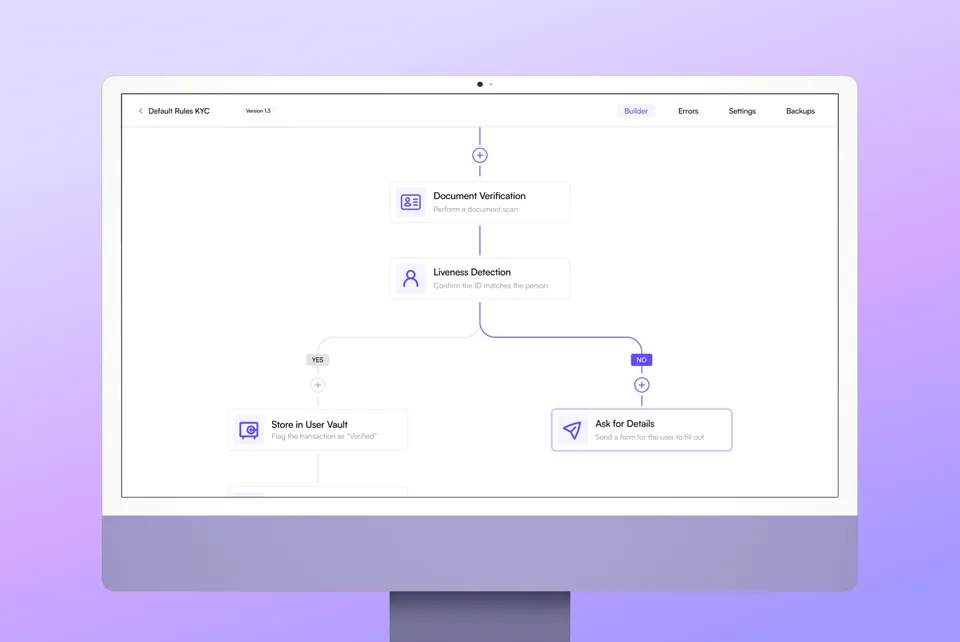
Identify which data points regulators require for your specific jurisdiction. Not all KYC checks need the same depth. A simple age verification may only require a boolean proof, while financial onboarding needs detailed transaction history. Define the minimum data set needed to satisfy the law without over-collecting personal information.

Choose the underlying format for identity data. Standards like W3C Verifiable Credentials (VC) and Decentralized Identifiers (DIDs) ensure interoperability. Avoid proprietary formats that lock users into a single provider. The goal is to create credentials that any compliant verifier can read and validate without needing direct access to the issuer’s database.
Integrate ZK-SNARKs or ZK-STARKs to allow users to prove they meet criteria without revealing the underlying data. For example, a user can prove they are over 18 without disclosing their exact birthdate or full name. This step preserves privacy while satisfying legal "know your customer" obligations. Ensure your smart contracts can efficiently verify these proofs on-chain or off-chain.
Users must explicitly grant permission for each verification request. Build an interface that clearly shows what data is being shared and with whom. Avoid dark patterns that obscure consent. The vault should hold the data, and the user should hold the keys. If the user cannot revoke access easily, the system fails the decentralized model.
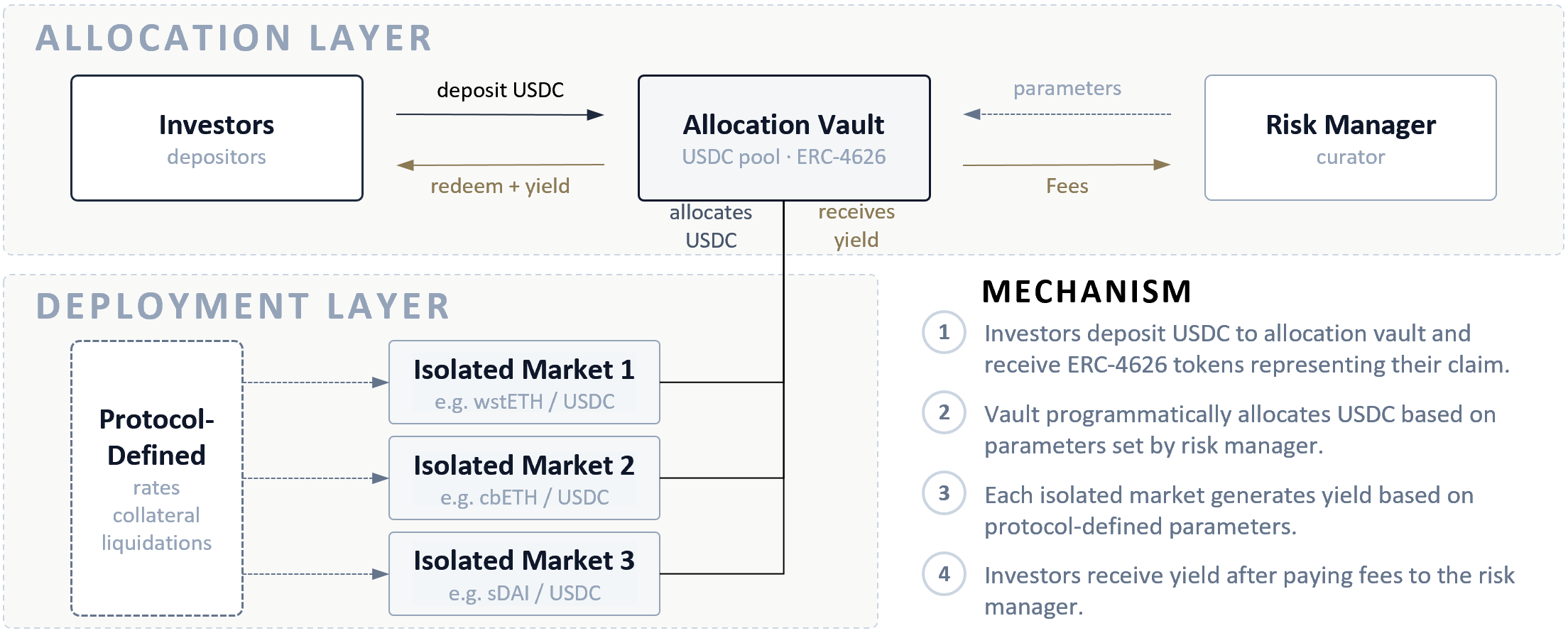
Identity data changes. Licenses expire, and sanctions lists update. Your framework must include a mechanism to check the status of a credential in real-time. Implement a revocation registry or a timestamped proof of validity. A valid credential from three years ago is not sufficient for current regulatory compliance. Automate these checks to prevent stale data from being used.
| Feature | Centralized KYC | Decentralized KYC |
|---|---|---|
| Data Storage | Single server/database | User-controlled wallet/vault |
| Privacy | Low (provider sees all) | High (zero-knowledge proofs) |
| Compliance Burden | High (data breach liability) | Moderate (audit trail only) |
| User Experience | Repetitive uploads | One-time issuance, reuse |
Spot Weak Options and Misleading Claims
Decentralized KYC promises privacy and user sovereignty, but the market is cluttered with projects that overpromise on compliance and underdeliver on utility. When evaluating these vaults, look past the marketing gloss and focus on the underlying infrastructure. Many solutions claim to be "fully decentralized" while actually relying on centralized identity issuers or opaque verification processes. This mismatch creates regulatory risk and defeats the purpose of user-controlled data.
The most common mistake is assuming that "decentralized" automatically means "compliant." Regulatory bodies like the EU (MiCA) and the US (FinCEN) require clear audit trails and Know Your Customer (KYC) protocols. A vault that hides verification behind complex zero-knowledge proofs without a clear legal wrapper for institutions will struggle to integrate with traditional finance. Always check if the solution supports standard verifiable credentials (VCs) and if it has explicit partnerships with licensed identity providers.
Avoid platforms that lack transparency in their verification logic. If you cannot trace how a credential was issued and validated, the system is likely a black box. Stick to solutions that use open standards like W3C Verifiable Credentials and offer clear documentation on how they handle data retention and deletion. This ensures you are building on infrastructure that can scale legally, not just technically.
Decentralized kyc vaults: common: what to check next
Before committing to a decentralized verification architecture, it helps to clarify how it differs from traditional compliance models and what standards actually apply.
Choosing the right provider depends on your specific needs. Traditional aggregators like Sumsub or Trulioo offer broad global coverage but may lack the privacy features required for Web3. Newer infrastructure players like ZKVault focus specifically on zero-knowledge architectures, ensuring that user data remains encrypted while still satisfying regulatory requirements.
When evaluating these solutions, look for providers that support standard identity protocols such as W3C Verifiable Credentials. This ensures interoperability across different platforms and reduces the friction of onboarding users who already hold verified identities from other sources.
Remember that compliance is not a one-time event. Even with decentralized vaults, you must maintain robust monitoring systems to detect changes in risk profiles or regulatory status. The technology simplifies data storage, but it does not remove the responsibility for ongoing due diligence.
No comments yet. Be the first to share your thoughts!