Decentralized kyc vaults: the core limits to account for
Decentralized KYC vaults solve the central tension in digital asset compliance: how to prove identity without exposing personal data to every service provider. Traditional KYC requires users to upload passports and selfies to centralized databases, creating single points of failure for data breaches. Vault architectures change this by splitting identity data across user-controlled credentials and zero-knowledge proofs (ZKPs). This approach ensures that only the minimum necessary information—such as age or jurisdiction—is shared, while the rest remains encrypted and private.
The primary constraint is infrastructure complexity. Implementing ZKPs requires significant computational resources and careful protocol design to prevent proof generation bottlenecks. Users must also manage their own cryptographic keys, which introduces a new risk vector: if a user loses their private key, they may lose access to their verified identity permanently. Additionally, regulatory bodies are still adapting to these models, creating uncertainty around which proof standards will be legally recognized across different jurisdictions.
Despite these hurdles, the shift toward vault-based verification is accelerating. Platforms like Zyphe and Socure are pioneering solutions that balance regulatory requirements with user privacy. As the ecosystem matures, expect to see more standardized protocols that simplify key management and increase proof verification speeds, making decentralized KYC a viable option for mainstream adoption.
Decentralized kyc vaults choices that change the plan
Moving identity data from centralized silos to user-controlled vaults introduces distinct operational and compliance shifts. You are no longer just managing data storage; you are managing cryptographic proof delivery. This section breaks down the concrete factors that determine whether a decentralized KYC architecture fits your specific risk profile and user base.
Privacy vs. Regulatory Auditability
The primary value proposition of decentralized KYC is privacy preservation through zero-knowledge proofs (ZKPs). Users prove they meet criteria (e.g., age > 18) without revealing the underlying document. However, regulators often demand granular audit trails. If a vault system does not offer a compliant "audit mode" where authorized parties can verify specific data points, you may face friction with legal teams or regulatory bodies. Evaluate whether your jurisdiction accepts ZKP-based compliance or requires raw data exposure.
User Experience Friction
Centralized KYC is familiar: upload a photo, wait for approval. Decentralized KYC requires users to manage digital wallets, sign transactions, and potentially interact with multiple dApps to retrieve credentials. This adds steps to the onboarding flow. If your target audience is non-crypto native, this friction can lead to high drop-off rates. Consider whether the privacy benefit outweighs the increased complexity for your specific user segment.
Data Freshness and Revocation
In a centralized system, you control the database; if a user’s status changes (e.g., sanctions list update), you update it instantly. In a decentralized vault, the data lives off-chain or on a different chain. Ensuring real-time updates requires robust oracle infrastructure. If the oracle fails or is slow, you might be processing transactions with stale identity data. Additionally, implementing credential revocation—where a user can invalidate a previously issued proof—is more complex than simply deleting a record from a server.
Interoperability Costs
Different KYC providers issue credentials in different formats. A user verified by Provider A may not have a compatible credential for Provider B. To avoid making users verify multiple times, you need a universal standard or a middleware layer that translates between formats. This adds development overhead and potential points of failure. Check if your chosen identity provider supports W3C Verifiable Credentials or similar interoperable standards to reduce this burden.
| Tradeoff Factor | Centralized Vault | Decentralized Vault | Risk Level |
|---|---|---|---|
| Data Control | Provider holds data | User holds data | Medium |
| Audit Trail | Full history available | Proof-based only | High |
| User Friction | Low (simple upload) | High (wallet interaction) | Low |
| Data Freshness | Instant updates | Depends on oracles | Medium |
| Interoperability | Proprietary silos | Standard-based (W3C) | Low |
Build a compliance stack that scales
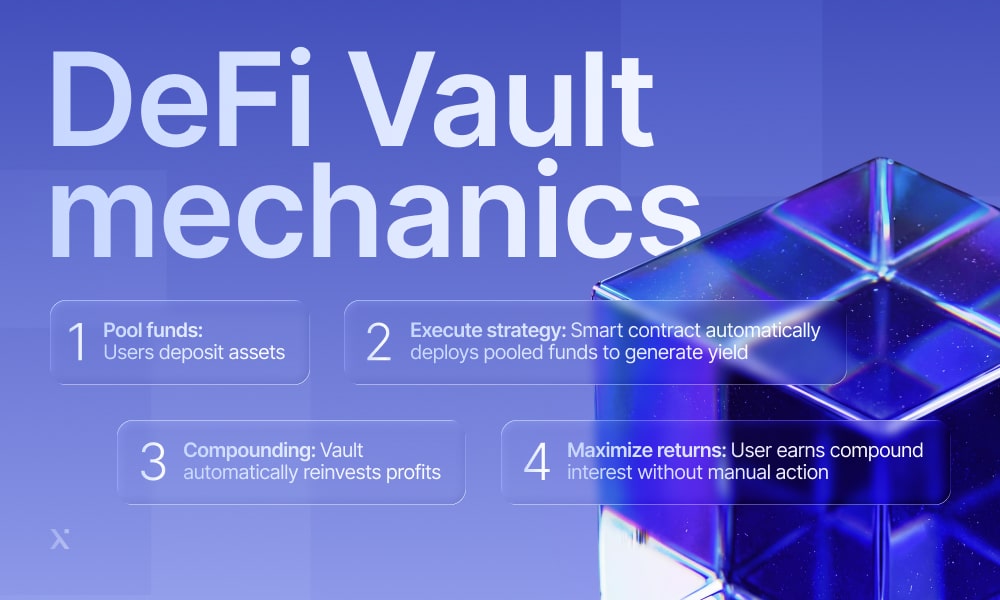
Decentralized KYC vaults shift the burden of proof from centralized databases to user-held credentials. This architecture reduces your liability while meeting regulatory requirements. The following steps outline how to structure a stack that balances privacy with strict compliance.
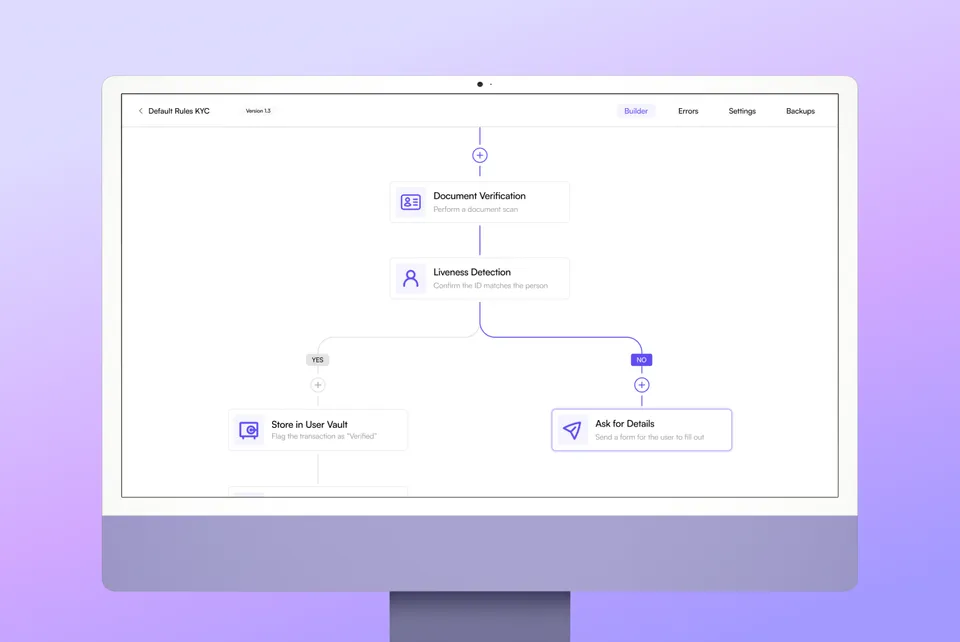
Start by mapping which data points are legally required for your specific jurisdiction. Not all KYC checks demand full identity disclosure. Determine if you need only age verification, residency proof, or full identity matching. This scoping prevents over-collection of sensitive data and simplifies the user onboarding flow.
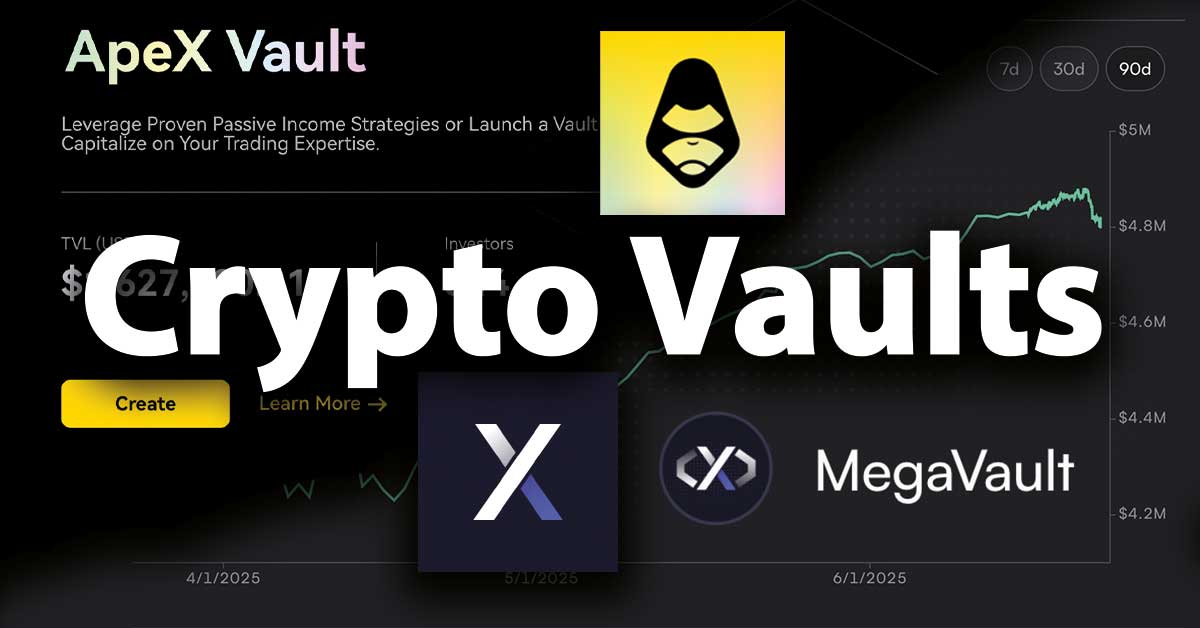
Choose a protocol that supports zero-knowledge proofs (ZKPs) for your target data. ZKPs allow users to prove they meet criteria (like being over 18) without revealing their birthdate. Ensure the provider supports the specific cryptographic standards required by your compliance team, such as zk-SNARKs or zk-STARKs.
Connect your vault to trusted identity oracles that can validate credentials against official sources. These oracles act as bridges between off-chain government databases and on-chain verification. The oracle confirms the credential's validity without storing the raw data, maintaining the decentralized nature of the system.
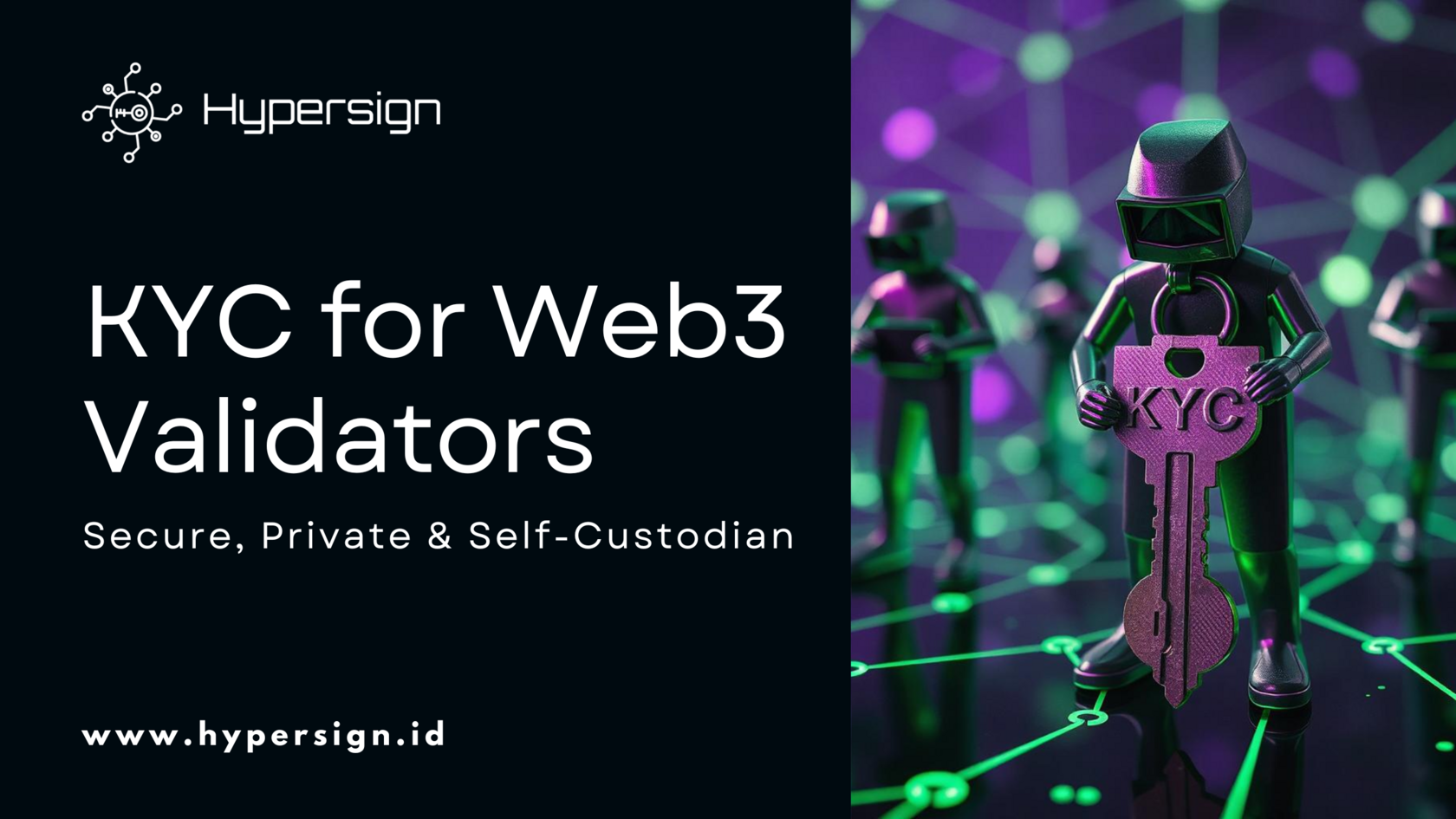
Configure smart contracts to enforce who can view verification results. Set permissions so that only authorized entities (like your compliance team or partner exchanges) can request proof of verification. This ensures that user data remains encrypted and accessible only for legitimate compliance checks.
Regularly test your stack against current regulations, including AML and GDPR requirements. Verify that your ZKP implementation does not inadvertently leak metadata. Conduct penetration testing to ensure that the vault cannot be coerced into revealing unencrypted user identities.

As an Amazon Associate, we may earn from qualifying purchases.
The goal is to create a system where compliance is automated and privacy is preserved. By following this framework, you can deploy a vault that satisfies regulators without compromising user trust.
Spotting Weak Decentralized KYC Options
Many providers market "decentralized" solutions that still require you to upload government IDs to centralized servers. This defeats the privacy purpose of the technology. A true decentralized KYC vault uses zero-knowledge proofs to verify age or residency without revealing the underlying data. If the vendor cannot explain how the proof is generated and verified on-chain, the system is likely just a fancy database with extra steps.
Another common mistake is trusting "self-sovereign identity" wallets that lock you into a single ecosystem. These wallets often lack interoperability, meaning you cannot use your verified status across different exchanges or DeFi protocols. Look for solutions built on open standards like W3C Verifiable Credentials. This ensures your identity data can be portable and recognized by multiple compliant platforms, not just one vendor’s walled garden.
Finally, beware of vague compliance claims. Some tools claim to be "regulator-approved" without specifying which jurisdictions. Regulatory approval is not a badge; it is a legal status tied to specific laws in specific regions. Always check if the vault’s logic aligns with current FATF guidelines or local AML regulations. Without clear legal backing, your verified status may be useless when regulators ask for an audit trail.
Decentralized kyc vaults: frequently asked: what to check next
Before integrating decentralized identity protocols, it helps to separate foundational compliance definitions from the specific mechanics of vault-based verification. These answers clarify the structural requirements and practical implications for crypto platforms and users.
No comments yet. Be the first to share your thoughts!