Why decentralized identity matters now
The financial sector is hitting a wall. For years, institutions have relied on centralized databases to store Personally Identifiable Information (PII) for Know Your Customer (KYC) checks. This model creates massive honeypots for hackers and forces users to repeatedly surrender sensitive data to every new service. In 2026, the shift toward user-owned credentials is no longer just a privacy preference; it is a structural necessity for security and compliance.
Decentralized KYC vaults change the ownership model. Instead of a bank holding your passport scan, you hold a verifiable credential in a secure vault. When you need to prove your identity or age, you share only the specific cryptographic proof required, often using zero-knowledge proofs to verify attributes while keeping the raw data private. This approach eliminates the need for redundant data storage across the industry, significantly reducing the attack surface for data breaches.
Users own their data, reducing liability for institutions.
This architecture also addresses regulatory pressure. Financial institutions are increasingly liable for data leaks originating from their vendors or legacy systems. By moving PII out of centralized company databases and into user-controlled substrates, banks and fintechs can drastically lower their compliance risk. The infrastructure supports cryptographically verifiable credentials that remain valid across different jurisdictions and service providers, streamlining the onboarding process while keeping the user in control of their digital footprint.
How decentralized KYC vaults operate
A decentralized KYC vault functions as a secure digital container for your identity data, but unlike traditional databases, you hold the keys. The infrastructure relies on a trustless architecture where you, the identity holder, sit between the issuer (like a government agency or bank) and the verifier (a service provider). Instead of handing over raw documents, you present a verifiable credential—a cryptographically signed proof that attests to specific facts about you, such as age or residency status.
The core mechanism relies on zero-knowledge proofs (ZKPs). This cryptographic method allows you to prove you meet a requirement without exposing the raw data. For example, if a platform requires you to be over 18, a ZKP generates a proof that confirms "true" without exposing your birth date or ID number. This ensures that even if the verifier's system is compromised, your sensitive personal information remains safe in your vault.
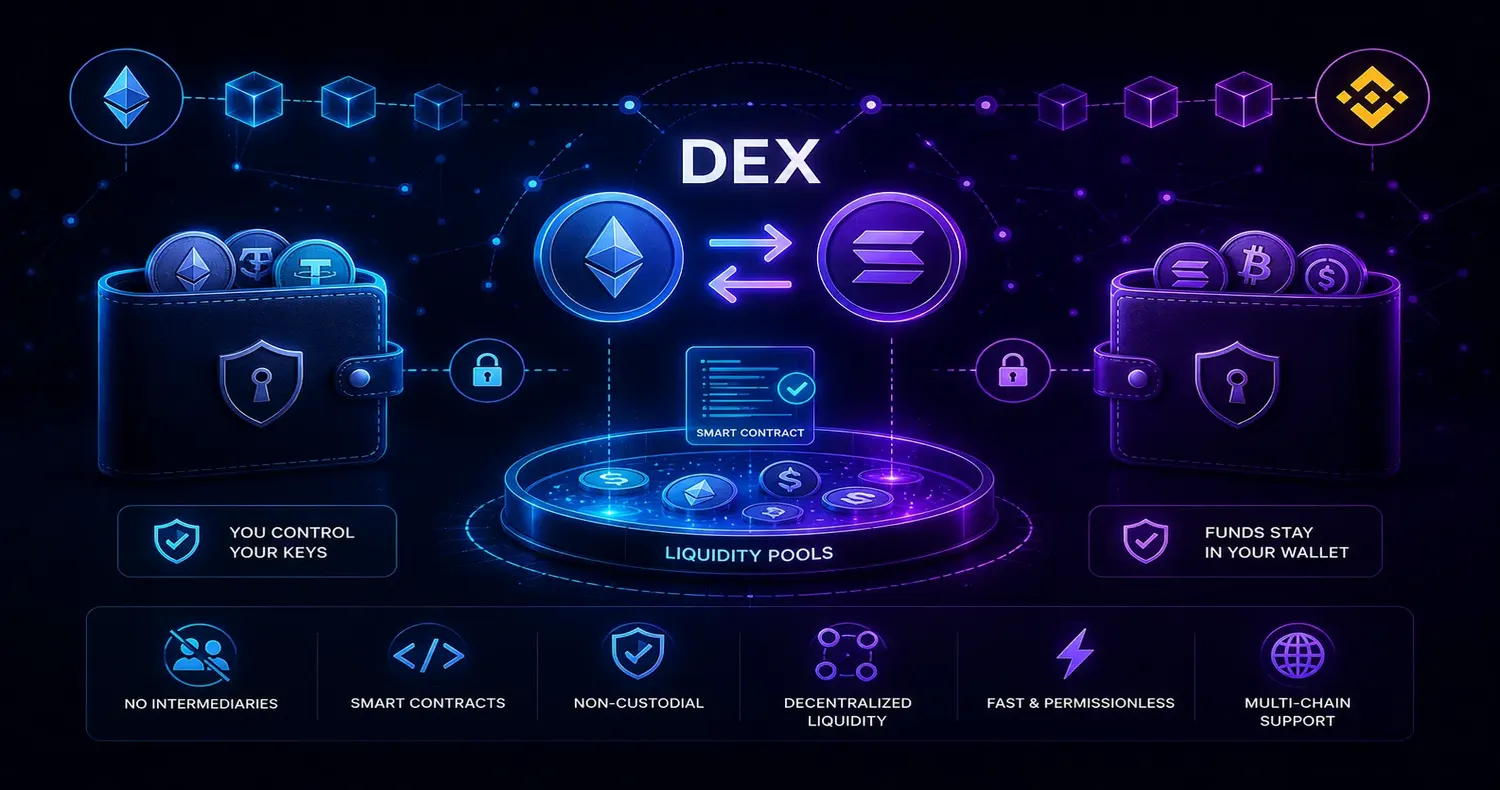
Identity issuers create a signed credential on the blockchain. This token is stored in your vault, establishing ownership without a central registry.
You hold the private keys to your vault. The data is encrypted locally or in a distributed storage network, ensuring no single entity controls the full dataset.
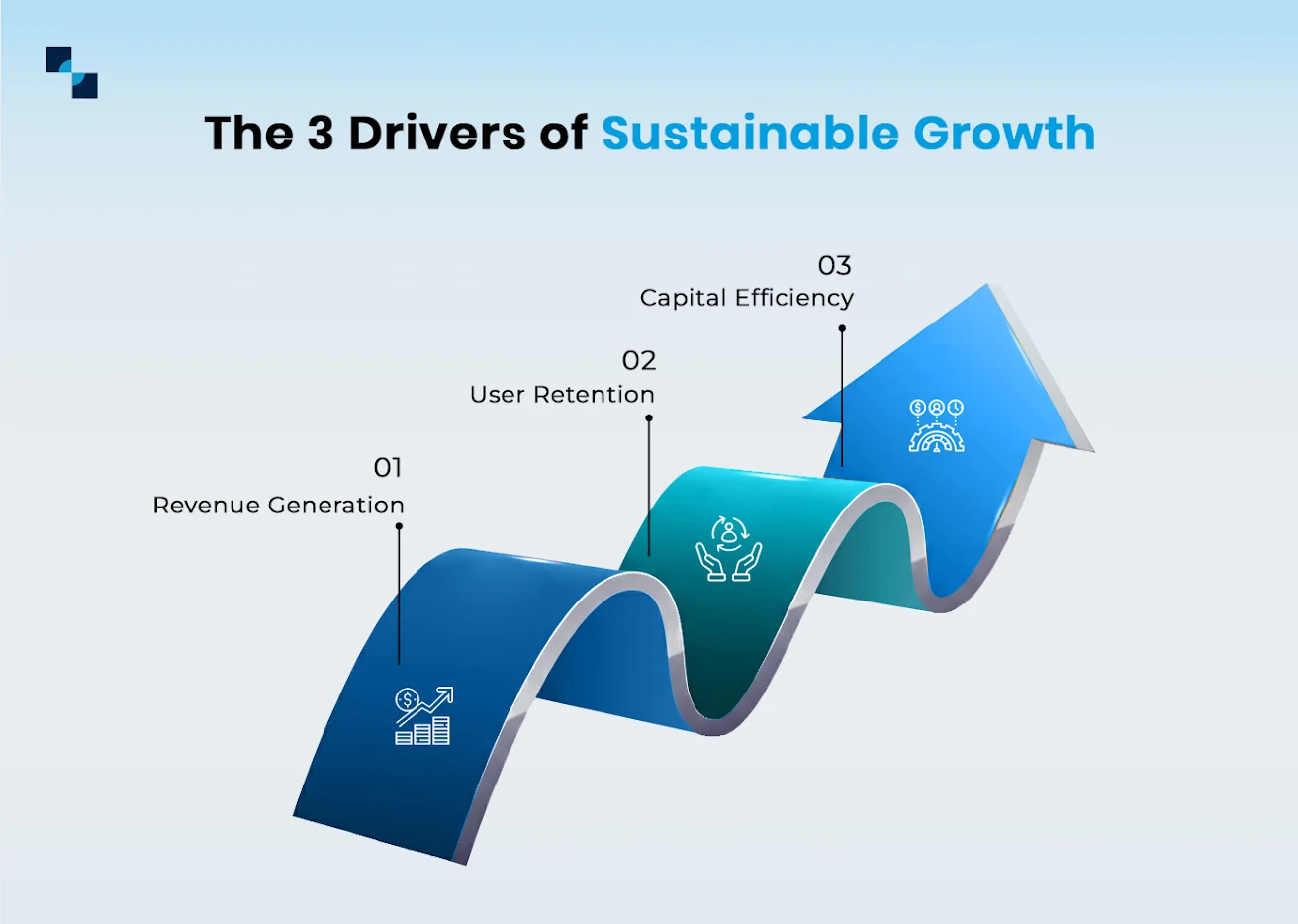
When accessing a service, you generate a zero-knowledge proof. The verifier checks this proof against the issuer's public key to confirm validity without seeing the raw data.
AI verification agents are increasingly integrated into this flow to handle complex compliance checks. These agents can autonomously evaluate the cryptographic proofs and cross-reference them with regulatory requirements in real-time. This reduces the friction of manual review while maintaining a high standard of auditability, which is critical for high-stakes financial and legal operations.
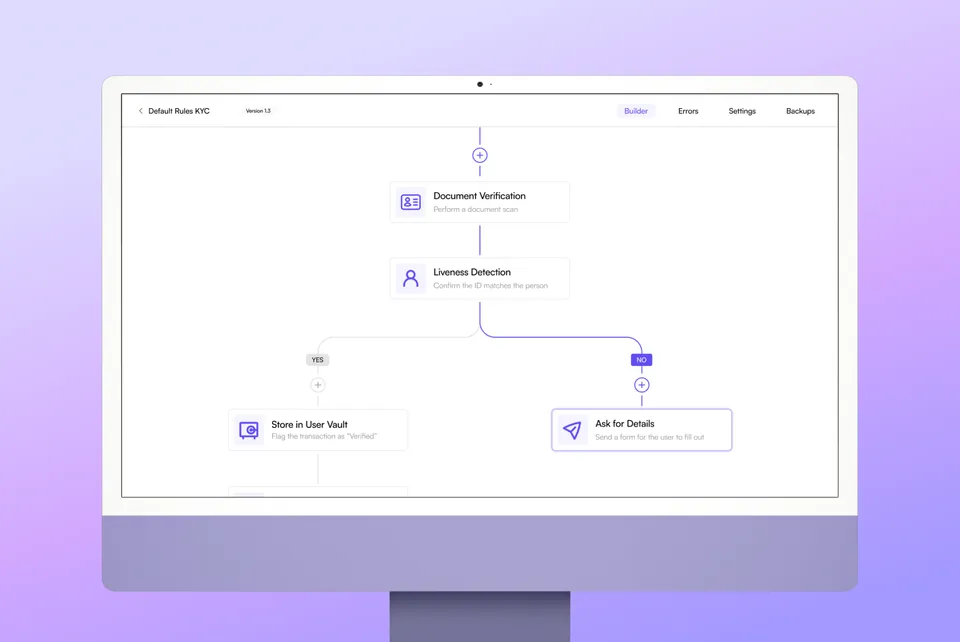
The result is a system that prioritizes data minimization. By using a decentralized KYC vault, you shift the power dynamic from centralized data brokers back to the individual. This approach not only enhances privacy but also reduces the liability for service providers who no longer need to store vast amounts of sensitive personal information.
Market research and adoption trends
The decentralized KYC vaults market is shifting from experimental pilot programs to regulated infrastructure. In 2026, the primary driver is not speculation, but the need to reconcile strict compliance requirements with user privacy. Institutions are moving away from storing raw PII (Personally Identifiable Information) in siloed databases. Instead, they are adopting verifiable credentials and zero-knowledge proofs to verify identity without exposing the raw data.
This shift is largely economic. Traditional KYC processes involve redundant checks, high operational costs, and significant liability for data breaches. A decentralized approach allows a user to verify their identity once with a trusted issuer and then share only the necessary proof with multiple service providers. This reduces friction for onboarding and lowers the cost of compliance for financial institutions.
However, adoption is not uniform. The market is currently divided between legacy providers attempting to integrate blockchain elements and native decentralized protocols built from the ground up. The following table compares the operational realities of traditional centralized KYC against decentralized vault models.
| Feature | Traditional KYC | Decentralized KYC |
|---|---|---|
| Data Storage | Centralized database (high breach risk) | User-held or distributed (lower risk) |
| Verification Method | Manual review or centralized API checks | Zero-knowledge proofs / Verifiable credentials |
| Cost per Check | High (redundant checks per institution) | Lower (single check, multiple uses) |
| User Privacy | Minimal (full PII shared with verifier) | High (only necessary attributes shared) |
| Compliance Overhead | High (managing data residency laws) | Moderate (auditable proof generation) |
The economic incentive is clear: institutions that adopt decentralized KYC vaults can significantly reduce their customer acquisition costs while improving trust. As regulatory frameworks like the EU's eIDAS 2.0 mature, the technical standards for these vaults are becoming more standardized, making integration easier for banks and fintechs alike. The focus is no longer on whether decentralized identity works, but on how quickly legacy systems can adapt to it.
Compliance risks and legal hurdles
Operating a Decentralized KYC Vaults guide requires navigating a minefield of conflicting regulations. The core tension lies in the clash between immutable blockchain storage and the "right to be forgotten" mandated by frameworks like the GDPR. If a vault stores even a hashed reference to personal data on a public ledger, it may violate European privacy laws, regardless of whether the actual data is encrypted or off-chain.
GDPR and the Right to Erasure
The General Data Protection Regulation (GDPR) grants individuals the right to have their personal data erased. This is technically difficult in a decentralized system where data, once written, cannot be deleted. While zero-knowledge proofs (ZKPs) allow verification without exposing the raw data, the mere existence of a cryptographic proof linked to an identity can be considered personal data under strict interpretations. Solutions like "cryptographic erasure" or storing encrypted keys in off-chain, GDPR-compliant storage are common, but they introduce centralization risks that defeat the purpose of decentralization.
AML and Cross-Border Friction
Anti-Money Laundering (AML) directives, such as the EU’s 6AMLD and the US Bank Secrecy Act, require strict Know Your Customer (KYC) procedures. Decentralized finance (DeFi) protocols must ensure that the identities verified in a vault are not only accurate but also current. If a user’s status changes—due to sanctions or regulatory flags—the vault must support dynamic updates. This creates a compliance burden: how do you update a decentralized identity without a central authority? Most current models rely on a "verifier" node or a trusted issuer that can revoke credentials, reintroducing a single point of failure.
Verifiable Credentials and Legal Validity
The industry is shifting toward Verifiable Credentials (VCs) as a standardized way to handle identity. VCs are digital documents that can be cryptographically signed by a trusted issuer. They allow users to prove attributes (e.g., "over 18," "not sanctioned") without revealing the underlying identity document. However, legal recognition of VCs varies by jurisdiction. In the EU, the eIDAS 2.0 regulation provides a framework for digital identity, but its integration with decentralized vaults is still evolving. Users and providers must ensure that their VC implementations meet local legal standards for identity verification.
Mitigating Liability
To mitigate these risks, many projects adopt a "minimal data" approach. They store only the minimum necessary information on-chain, often just the hash of a credential or a proof of compliance. The actual personal data is stored in secure, off-chain databases with strict access controls. This hybrid model balances decentralization with regulatory compliance, but it requires rigorous security audits and legal oversight. Always consult with legal experts specializing in digital identity and financial regulations before deploying a Decentralized KYC Vaults solution.
Steps to implement a vault strategy
Building a decentralized KYC infrastructure requires moving from centralized data hoarding to user-owned verifiable credentials. This guide outlines the concrete steps to integrate zero-knowledge proof (ZKP) vaults into your compliance workflow.
Start by mapping your regulatory obligations. Determine exactly which data points (age, residency, identity) must be verified and which can remain private. This boundary definition dictates the structure of your verifiable credentials and ensures you only request necessary information, reducing liability.

Choose a protocol that supports the specific zero-knowledge algorithms required for your use case, such as zk-SNARKs or zk-STARKs. Evaluate providers based on their ability to generate proofs without exposing PII. Prioritize vendors with audited smart contracts and clear documentation on credential issuance.
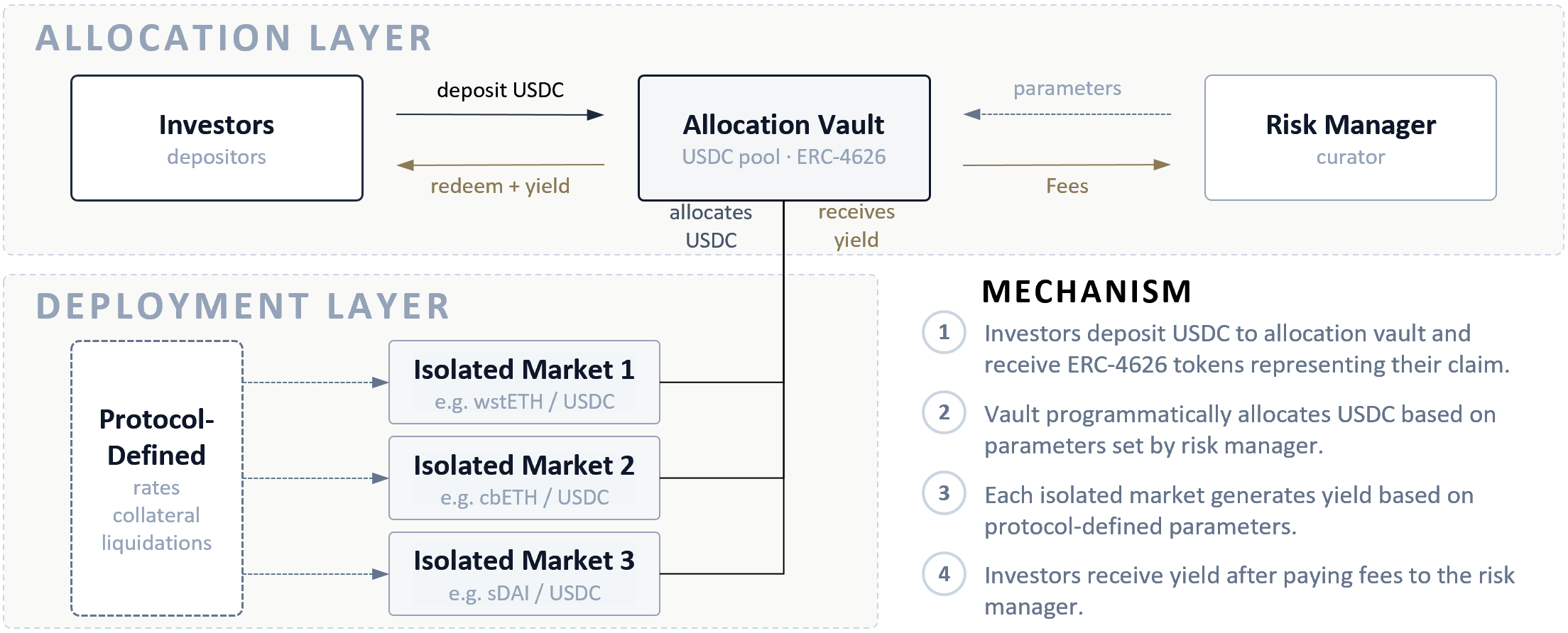
Implement the technical infrastructure that allows users to store their credentials in personal, encrypted vaults. This step involves connecting your onboarding flow to the user’s wallet or identity app. Ensure the interface clearly explains that the user retains ownership and control over their data at all times.
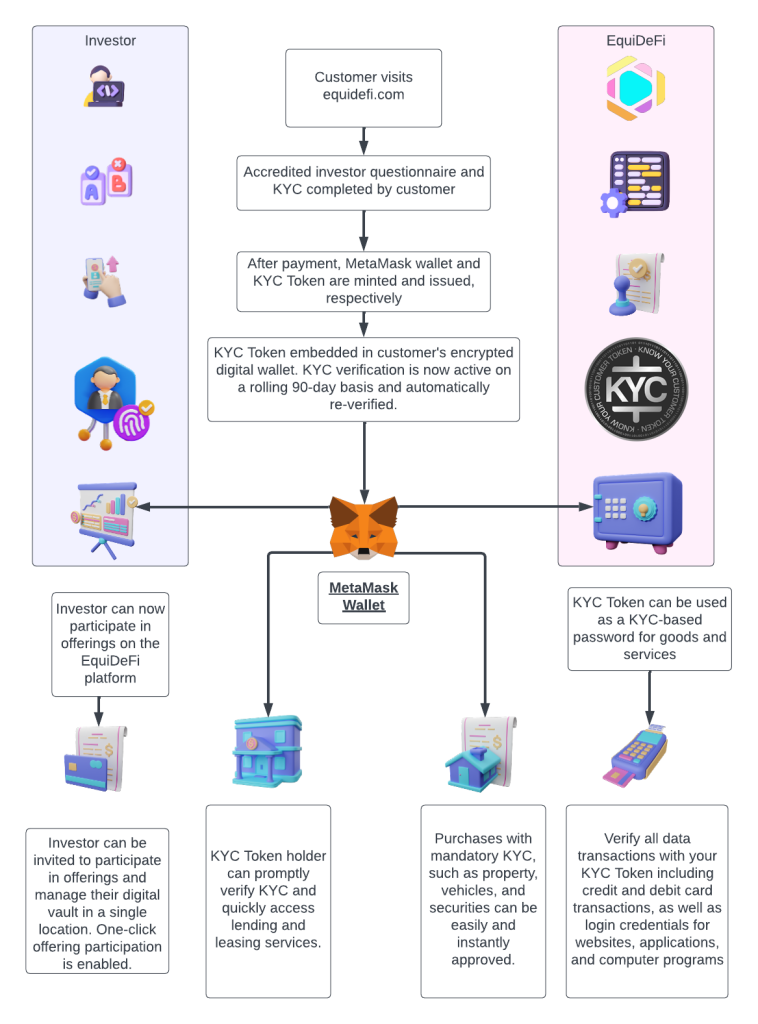
Set up the smart contracts or verification engines that consume the ZK-proofs. Define the rules for accepting a proof as valid (e.g., "is over 18" = true). This logic must be immutable and transparent, allowing auditors to verify that the verification process adheres to your defined compliance boundaries without exposing raw data.

Conduct rigorous testing using diverse user profiles and varying regulatory jurisdictions. Simulate scenarios where users revoke access or update credentials. Verify that the system handles proof expiration and re-issuance smoothly without requiring full re-KYC, ensuring a seamless experience for both users and compliance officers.
No comments yet. Be the first to share your thoughts!