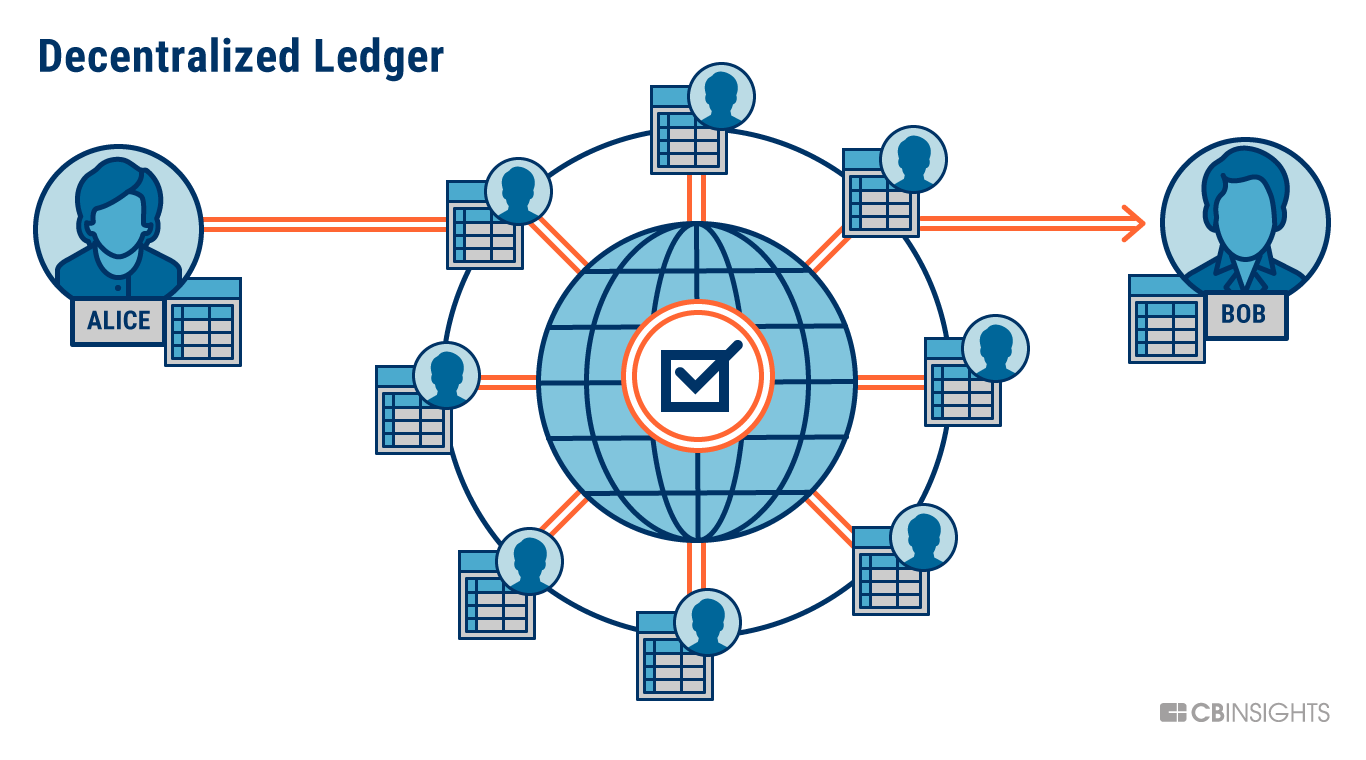
Defining the decentralized kyc vaults market
The decentralized KYC vaults market is emerging as a distinct sub-sector within the broader digital vault industry, driven by a fundamental shift in data ownership. While the global digital vault market is projected to reach US$ 2.2 billion by 2033, growing at a 12.4% CAGR from 2026, this growth is increasingly defined by privacy-preserving architectures rather than simple storage solutions [[src-serp-3]].
Traditional KYC processes rely on centralized databases where financial institutions hold copies of sensitive user credentials. This model creates significant liability and privacy risks, as the institution becomes a high-value target for cyberattacks. In contrast, decentralized KYC vaults store verified credentials in user-controlled environments. Businesses receive cryptographic proof of identity without ever accessing the raw underlying data [[src-serp-2]].
This distinction reshapes the market landscape. Instead of competing on storage capacity or speed, providers in the decentralized KYC vaults market compete on verifiability, zero-knowledge proof capabilities, and regulatory compliance frameworks. The value proposition shifts from data hoarding to data verification, allowing users to prove their status without surrendering their identity.
For legal and regulatory analysis, this separation of data custody from data verification is critical. It introduces a new category of compliance infrastructure that operates independently of traditional bank-led KYC cycles, requiring updated risk assessments for both financial institutions and technology providers.
Decentralized KYC Vaults market research: sizing the opportunity
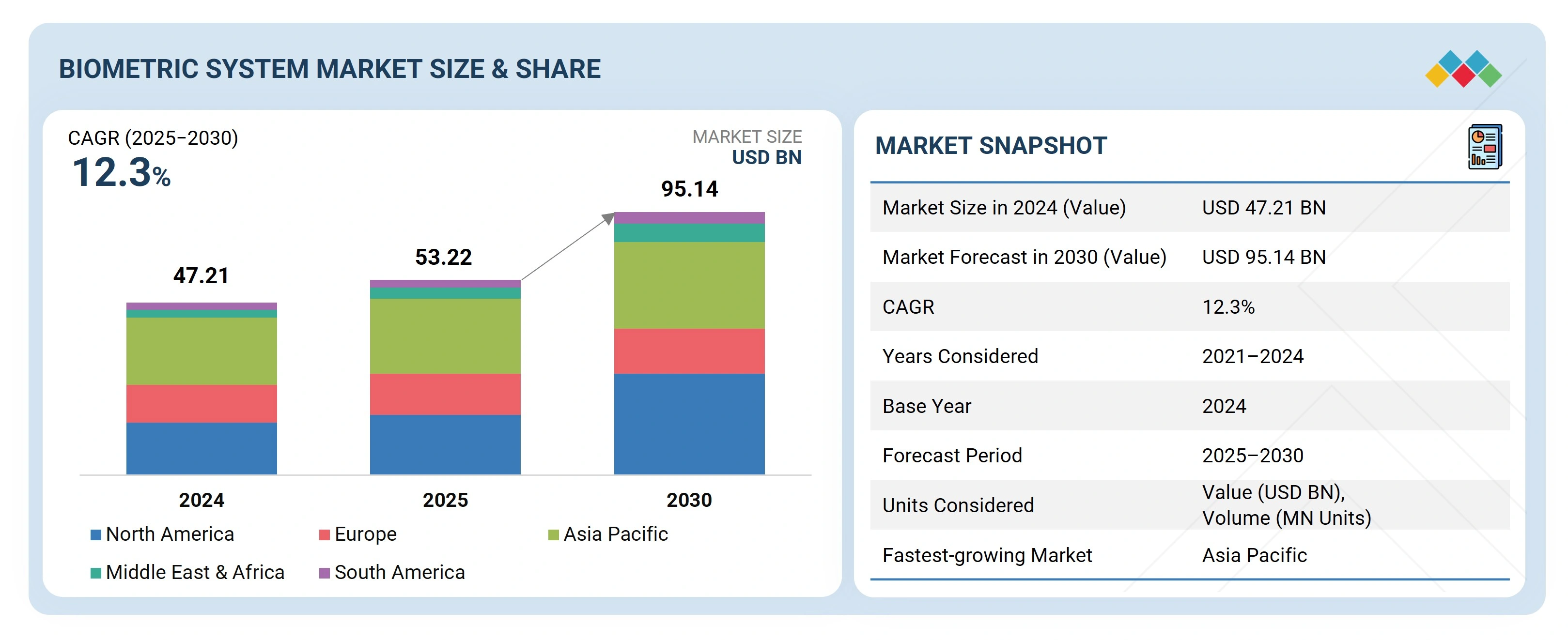
The broader digital vault infrastructure is expanding rapidly, creating a fertile foundation for decentralized identity solutions. Market research indicates that the global digital vault market reached an estimated USD 1,028 billion in 2025 and is projected to climb from USD 1,140 billion in 2026 to USD 2,893 billion by 2035, according to Market Research Future.
This macro-level growth underscores a fundamental shift in how institutions secure sensitive data. For the decentralized KYC segment, this trajectory suggests that regulatory-compliant identity storage will increasingly rely on vault-like architectures. Another analysis from Persistence Market Research projects the digital vault market to grow from US$ 1.0 billion in 2026 to US$ 2.2 billion by 2033, at a CAGR of 12.4%.
While these figures cover the broader vault ecosystem, they provide a critical baseline for understanding the infrastructure costs and adoption curves relevant to decentralized KYC. The convergence of privacy-preserving technologies with traditional compliance requirements is driving this expansion, positioning decentralized KYC as a high-value sub-segment within the larger digital vault landscape.
The momentum in this sector is reflected in broader fintech and blockchain infrastructure trends. Investors and institutions are closely monitoring these shifts as regulatory frameworks evolve to accommodate decentralized identity standards.
Infrastructure: Soulbound Reputation and Storage
The backbone of the Decentralized KYC Vaults market research landscape relies on shifting identity data from centralized corporate servers to user-controlled wallets. This architecture ensures that verified credentials are stored in user-controlled vaults rather than on company servers, fundamentally changing how businesses receive proof of identity [src-serp-2]. The infrastructure combines two critical technologies: soulbound tokens for reputation and zero-knowledge proofs for privacy.
Soulbound tokens (SBTs) serve as non-transferable digital badges that attest to a user's verified status. Unlike standard tokens, SBTs cannot be sold or traded, making them ideal for representing immutable identity claims. When a user completes a KYC check, the issuing authority mints an SBT to their wallet. This creates a portable reputation layer that travels with the user across different platforms without requiring repeated submissions of sensitive personal data.
Zero-knowledge proofs (ZKPs) enable the actual verification process. They allow a user to prove they meet specific criteria—such as being over 18 or residing in a permitted jurisdiction—without revealing the underlying data. For example, a vault can generate a cryptographic proof that a user's identity matches a government database without exposing their name, address, or document copies to the verifier. This approach minimizes data exposure and reduces the attack surface for identity theft.
| Component | Function | Privacy Impact |
|---|---|---|
| Soulbound Token | Stores verified identity claims | Non-transferable, prevents credential trading |
| Zero-Knowledge Proof | Validates criteria without raw data | Reveals only necessary facts, hides PII |
| User-Controlled Vault | Hosts credentials locally | Eliminates centralized honeypots for attackers |
This infrastructure supports a decentralized design where both data storage and workflows are distributed [src-serp-8]. By keeping sensitive information in personal vaults and using cryptographic proofs for verification, the Decentralized KYC Vaults market research highlights a shift toward systems that prioritize user sovereignty while maintaining regulatory compliance.
Regulatory strategy for compliance teams
The decentralized KYC vaults market research points to a significant shift in how compliance teams manage identity verification. Unlike traditional centralized exchanges, where user data resides in a single, vulnerable database, vaults distribute this responsibility. This architecture changes the risk profile for financial institutions. Regulators are now grappling with how to enforce Anti-Money Laundering (AML) and Know Your Customer (KYC) standards when no single entity controls the raw identity data.
Compliance teams must adapt to this hybrid reality. The challenge lies in verifying that a vault participant is compliant without accessing their private information. This requires a new layer of cryptographic proof rather than simple data retrieval. As noted in industry analyses, the transition from centralized to decentralized models forces a reevaluation of where liability rests. Is it the protocol developer, the wallet provider, or the user? The answer often depends on the specific regulatory jurisdiction and the nature of the tokenized asset involved.
To navigate this, institutions are comparing operational models side-by-side. The table below highlights the core differences in data control and compliance approaches.
| Feature | Centralized KYC | Decentralized Vaults |
|---|---|---|
| Data Storage | Single centralized database | Distributed, user-held |
| Privacy | Low; provider sees all data | High; zero-knowledge proofs |
| Compliance Burden | High; full liability for breaches | Shared; relies on protocol design |
| Regulatory Scrutiny | Well-defined frameworks | Evolving; case-by-case enforcement |
The market is still defining these boundaries. SIFMA and other industry bodies are actively discussing policy questions around decentralized trading models and tokenized securities. Until clear regulatory frameworks emerge, compliance teams must treat decentralized KYC vaults as high-risk, high-reward tools. They offer superior privacy and security but require sophisticated technical oversight to ensure regulatory alignment. The goal is not to eliminate compliance, but to embed it into the code itself, creating a system that is both private and auditable.
Tools and vendors in the decentralized kyc space
The ecosystem for building decentralized KYC vaults is maturing from experimental prototypes to specialized infrastructure providers. Developers no longer need to build zero-knowledge proof circuits from scratch; instead, they integrate with platforms that offer pre-verified credential issuance and privacy-preserving verification layers. This shift reduces development time and ensures that compliance officers can trust the underlying cryptographic guarantees.
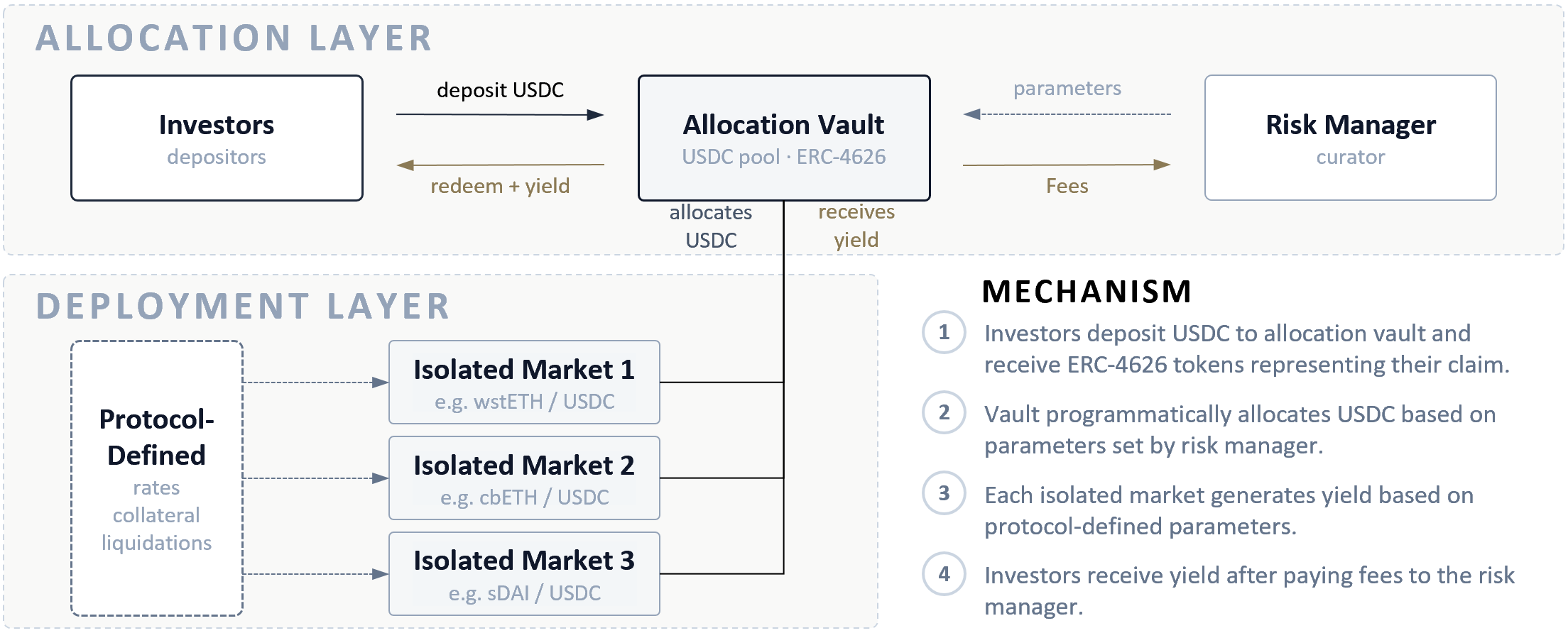
Key vendors are segmenting the market by use case. Some focus on general-purpose identity wallets that aggregate credentials across multiple chains, while others provide specialized APIs for regulated financial institutions requiring strict audit trails. For instance, platforms like RWA.xyz are beginning to offer allocation vaults that integrate identity checks directly into institutional asset management workflows, bridging the gap between on-chain liquidity and off-chain compliance.
When evaluating vendors for your decentralized KYC vault strategy, prioritize those with formal partnerships with traditional financial entities. These collaborations often indicate that the vendor’s infrastructure has undergone rigorous security auditing and meets the stringent requirements of global regulatory bodies. Look for tools that support selective disclosure, allowing users to prove their identity status without exposing their full personal data.
For further reading on the intersection of blockchain identity and regulatory compliance, consider reviewing established literature on the subject.

As an Amazon Associate, we may earn from qualifying purchases.
Frequently asked questions about decentralized KYC
How does decentralized KYC protect my data?
Decentralized KYC vaults shift control from centralized servers to you. Instead of storing raw documents on a company’s database, verified credentials are kept in user-controlled vaults. Businesses only receive a cryptographic proof that you are verified, not your actual identity documents or personal history. This model significantly reduces the risk of large-scale data breaches.
Is decentralized KYC accepted by regulators?
Regulatory acceptance is growing but varies by jurisdiction. While traditional centralized KYC remains the standard for many institutions, decentralized models are increasingly recognized as compliant with anti-money laundering (AML) frameworks. The key is ensuring the underlying verification process meets legal standards, regardless of where the data is stored. Industry leaders are actively working to standardize these protocols.
How does it work technically?
The process relies on zero-knowledge proofs and distributed ledger technology. When you complete verification with a trusted provider, the result is stored in your digital vault. To interact with a service, you generate a proof that satisfies their requirements without revealing unnecessary data. This ensures privacy while maintaining the integrity required for financial compliance.
No comments yet. Be the first to share your thoughts!