What are decentralized KYC vaults
A decentralized KYC vault is a user-controlled storage mechanism for verifiable credentials, not a financial asset. Traditional KYC processes rely on centralized databases where companies collect, store, and manage personally identifiable information (PII). In this model, the data owner has little visibility or control over how that information is used, shared, or protected.
Decentralized KYC shifts this dynamic by placing the user at the center of the identity loop. Instead of submitting raw documents to every service provider, users undergo a one-time verification process. Once verified, they receive a cryptographically signed verifiable credential. This credential acts as a proof of identity that can be presented to third parties without revealing the underlying sensitive data.
This architecture eliminates the need for companies to maintain their own databases of customer identity data. As noted by industry providers, decentralized KYC pairs AI verification agents with a substrate that shifts personal data from company databases into user-owned vaults. This approach reduces the attack surface for data breaches, as there is no central honeypot of PII to target.
For a legal and regulatory audience, this distinction is critical. The liability for data storage and security shifts from the service provider to the user's device and the underlying decentralized identity protocol. This aligns with emerging privacy regulations that emphasize data minimization and user consent, ensuring that identity verification is a transparent, cryptographically verifiable process rather than a black-box data collection exercise.
Market drivers and adoption trends
The shift toward a Decentralized KYC Vaults guide reflects a broader market correction. Traditional centralized databases for identity verification have become single points of failure. When these central repositories are breached, the resulting data leaks force platforms to pay higher compliance costs and lose user trust. Decentralized identity solutions address this by moving verification data off centralized servers and onto distributed ledgers or self-sovereign identity frameworks.
Regulatory pressure is another major driver. Authorities in the EU, US, and Asia are tightening rules around data protection and anti-money laundering. The General Data Protection Regulation (GDPR) and similar frameworks emphasize the "right to be forgotten." Centralized KYC systems struggle to comply with these rights because once data is stored, it is difficult to erase completely. Decentralized approaches allow users to control their data, sharing only what is necessary for a specific transaction, which aligns better with modern privacy laws.
Interoperability needs are also pushing the market forward. Financial institutions and crypto platforms operate in silos. A user verified on one platform often has to repeat the entire KYC process on another. This friction slows adoption and increases operational costs for businesses. Decentralized KYC Vaults aim to create a portable identity layer. This allows verified credentials to be reused across different services without re-uploading documents, streamlining onboarding for users and reducing redundancy for providers.
The growth of this sector is often correlated with broader blockchain adoption and regulatory clarity. As the infrastructure matures, we expect to see more institutional players integrating these solutions. The following chart illustrates the recent performance of the crypto market, which often sets the tone for decentralized technology investment.
How decentralized KYC vaults verify identity
Decentralized KYC vaults rely on three distinct architectural approaches to verify identity while protecting user privacy. Each model balances the trade-offs between regulatory compliance, computational cost, and data minimization differently. Understanding these mechanics is essential for selecting the right infrastructure for a decentralized KYC vault guide implementation.
Zero-Knowledge Proofs (ZKP)
Zero-knowledge proofs allow a user to prove they meet specific criteria without revealing the underlying data. In a ZK-based vault, identity issuers generate cryptographic proofs that attest to facts like "over 18" or "not on a sanctions list" without exposing the actual birthdate or name. This approach offers the highest level of privacy, as the verifier only sees the validity of the proof, not the raw identity documents. However, generating these proofs requires significant computational resources, which can create latency during onboarding.
Decentralized Oracles
Oracles act as bridges between off-chain identity data and on-chain smart contracts. Instead of storing sensitive documents on the blockchain, oracles verify the data against trusted sources and write only the verification status (e.g., verified: true) to the chain. This method is faster and cheaper than ZKP because it avoids heavy cryptographic computations. The trade-off is that the oracle itself becomes a central point of trust; if the oracle is compromised or acts maliciously, the integrity of the verification fails. This model is common in systems where speed is prioritized over absolute data minimization.
AI Verification Agents
AI verification agents use machine learning models to analyze identity documents and biometric data. These agents can detect fraud patterns, such as deepfakes or manipulated images, with high accuracy. In a decentralized vault, AI agents might operate as autonomous nodes that validate user uploads before they are stored. While this reduces the need for manual review, it introduces opacity; regulatory bodies often require explainable decisions, which black-box AI models can struggle to provide. This approach is best suited for high-volume scenarios where fraud detection is as important as privacy.
Comparison of Verification Models
The following table compares the core characteristics of these three verification architectures. This comparison highlights why no single model fits all regulatory environments.
| Model | Privacy Level | Verification Speed | Computational Cost |
|---|---|---|---|
| Zero-Knowledge Proofs | High | Slow | High |
| Decentralized Oracles | Medium | Fast | Low |
| AI Verification Agents | Medium-Low | Medium | Medium |
Compliance and regulatory risks
Decentralized KYC Vaults works best as a clear sequence: define the constraint, compare the realistic options, test the tradeoff, and choose the path with the fewest hidden costs. That order keeps the advice usable instead of decorative. After each step, pause long enough to check whether the recommendation still fits the reader's actual situation. If it depends on perfect timing, unusual access, or a best-case budget, include a simpler fallback.
The simplest way to use this section is to write down the real constraint first, compare each option against it, and choose the path that still works outside ideal conditions.
Implementation checklist for providers
Building a decentralized KYC vault requires shifting from centralized storage to user-owned credential management. This workflow outlines the essential steps for integrating these systems into your existing compliance infrastructure.
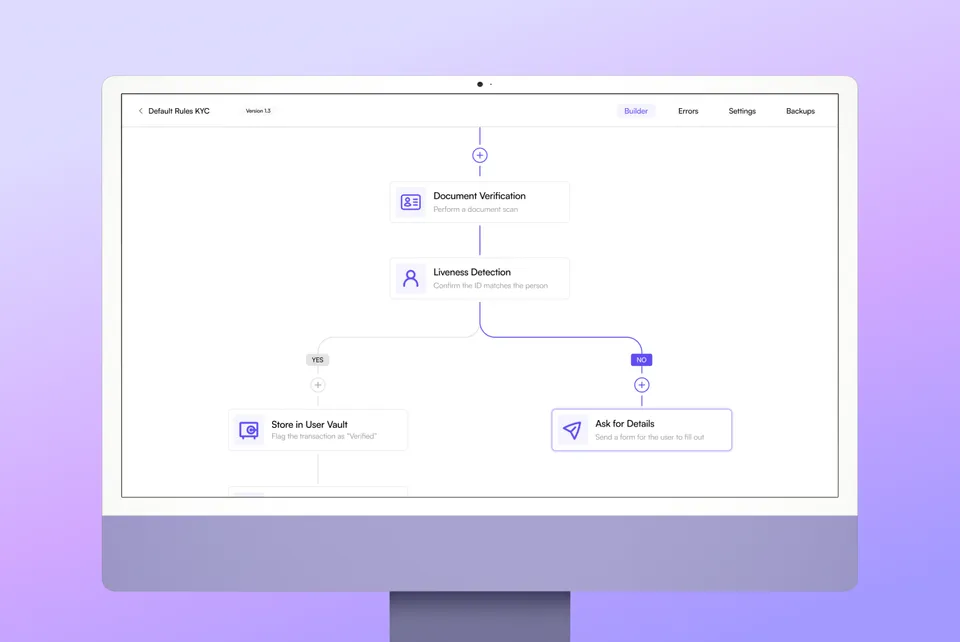
Map exactly which data points enter the vault. Distinguish between immutable identity proofs and mutable transaction records. This clarity prevents scope creep and ensures the vault only stores what is legally necessary for verification.
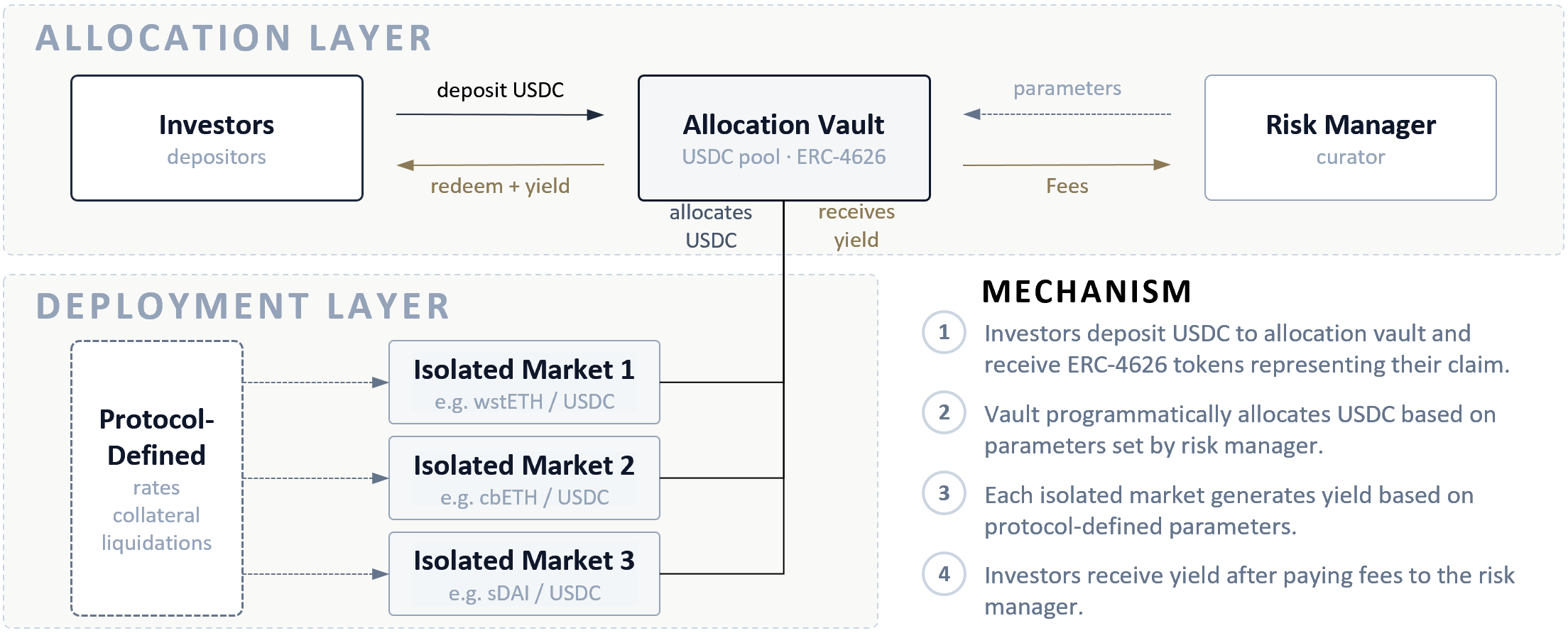
Choose a verification layer that pairs AI agents with a secure substrate. As noted by Zyphe, this approach shifts personal data from company databases into user-owned vaults, eliminating the need for you to store sensitive PII directly.

Implement a synchronization protocol to maintain a "golden copy" of client data. Intellect’s Catalyst platform demonstrates how institutions can sync documents across systems, ensuring that every compliance check references the same verified identity record.
Verify that users can easily grant and revoke access to their vaults. The system must provide clear consent mechanisms that align with GDPR and local regulatory requirements without adding friction to the onboarding process.
By following this sequence, you ensure that your decentralized KYC solution is both legally compliant and technically robust. The focus remains on data minimization and user ownership, reducing your liability while improving trust.
| Feature | Traditional KYC | Decentralized KYC |
|---|---|---|
| Data Storage | Company servers | User-owned vaults |
| PII Liability | High | Low |
| Verification | Manual/AI hybrid | AI agents + substrate |
No comments yet. Be the first to share your thoughts!