Decentralized KYC Vaults: The Infrastructure Reality
Decentralized KYC vaults represent a structural shift in how digital asset platforms handle user identity. Instead of storing sensitive documents on centralized servers, these vaults allow users to hold their credentials in a self-sovereign manner. The core promise is that users retain ownership of their data, reusing verified identities across multiple platforms without repeated submissions. This approach aims to reduce friction for onboarding while giving individuals greater control over their personal information.
However, the infrastructure behind these vaults is not yet standardized. Most current solutions rely on a hybrid model where the vault itself is decentralized, but the verification process still involves trusted third parties or AI agents. These agents review the data and issue verifiable credentials to the user’s wallet. This creates a dependency on the reliability and security of those verification providers. If the verification layer is compromised, the integrity of the entire vault system is at risk.
From a compliance perspective, platforms must balance user privacy with regulatory requirements. Financial Action Task Force (FATF) guidelines still require platforms to maintain certain records of identity verification. Decentralized vaults must therefore ensure that they can provide necessary audit trails to regulators without exposing the underlying raw data. This often involves zero-knowledge proofs or selective disclosure mechanisms, which are technically complex and still evolving.
The market is currently fragmented, with several emerging protocols attempting to solve this problem. While the technology shows promise for reducing data breaches and improving user experience, widespread adoption is hindered by the lack of universal standards. Platforms adopting these vaults must carefully evaluate the specific implementation details, including how credentials are stored, how they are verified, and how they interact with existing compliance frameworks.
Decentralized kyc vault choices that change the plan
Decentralized KYC vaults shift credential storage from centralized servers to user-controlled wallets or distributed ledgers. This architectural change introduces specific operational tradeoffs that compliance teams must evaluate before implementation. The core tension lies between user sovereignty and regulatory auditability.
Privacy vs. Auditability
Centralized models offer immediate, granular access to user data for auditors. Decentralized vaults require zero-knowledge proofs or selective disclosure mechanisms to satisfy regulators without exposing full identity datasets. This adds computational overhead and complexity to the verification pipeline. If the protocol does not support standardized proof formats, integrating with legacy compliance tools becomes difficult.
User Experience Friction
Vault-based systems demand users manage private keys and understand cryptographic concepts. This raises the barrier to entry compared to traditional email or SMS-based verification. If the onboarding flow is not abstracted correctly, conversion rates drop significantly. The tradeoff is higher initial friction for long-term data ownership and reduced exposure to data breaches.
Interoperability Standards
The landscape lacks universal standards for credential issuance and verification across different chains and jurisdictions. A vault built on one protocol may not be readable by a compliance team using another. This fragmentation forces platforms to build custom adapters or restrict users to specific ecosystem partners. Before committing to a stack, verify that the vault supports widely adopted standards like W3C Verifiable Credentials.
| Factor | Centralized KYC | Decentralized Vault |
|---|---|---|
| Data Control | Provider-owned | User-owned |
| Audit Access | Immediate | Proof-based/Selective |
| Breach Risk | High (honeypot) | Lower (distributed) |
| Onboarding Friction | Low | Medium-High |
| Interoperability | High (standard APIs) | Low (fragmented) |
The market for compliant identity infrastructure is growing as regulatory pressure increases. Understanding these tradeoffs helps platforms choose the right balance between security, privacy, and ease of use.
Choose the next step
Decentralized KYC Vaults works best as a clear sequence: define the constraint, compare the realistic options, test the tradeoff, and choose the path with the fewest hidden costs. That order keeps the advice usable instead of decorative. After each step, pause long enough to check whether the recommendation still fits the reader's actual situation. If it depends on perfect timing, unusual access, or a best-case budget, include a simpler fallback.
Spotting Weak Decentralized KYC Options
Not every decentralized KYC vault offers real privacy or compliance. Many projects market self-sovereign identity while silently retaining backend control or relying on centralized databases. When evaluating infrastructure, look for clear data minimization proofs and verifiable zero-knowledge architectures rather than vague promises.
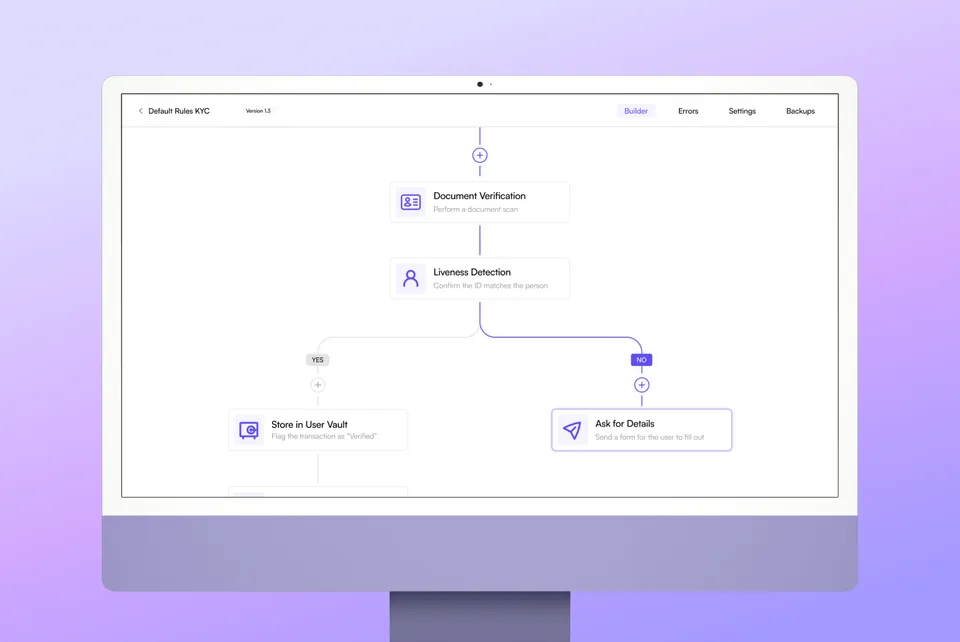
Watch for red flags during the verification process, such as requests for excessive biometric data without clear retention policies. The five major elements of KYC—customer identification, verification, monitoring, risk assessment, and record-keeping—must be handled locally whenever possible. If a provider cannot explain how they store or delete your credentials, treat it as a critical failure.
The five stages of KYC should integrate seamlessly into your workflow without creating bottlenecks. Top KYC providers like Socure and Zyphe offer varying levels of decentralization. Compare their technical charts and price widgets to understand market positioning, but prioritize the underlying data architecture over cost. Choose solutions where users truly own their credentials and can revoke access instantly.
Decentralized kyc vaults: what to check next
These questions address the most common concerns when integrating decentralized identity solutions. Understanding the specific red flags and stages helps teams build compliant systems without compromising user privacy.
No comments yet. Be the first to share your thoughts!